

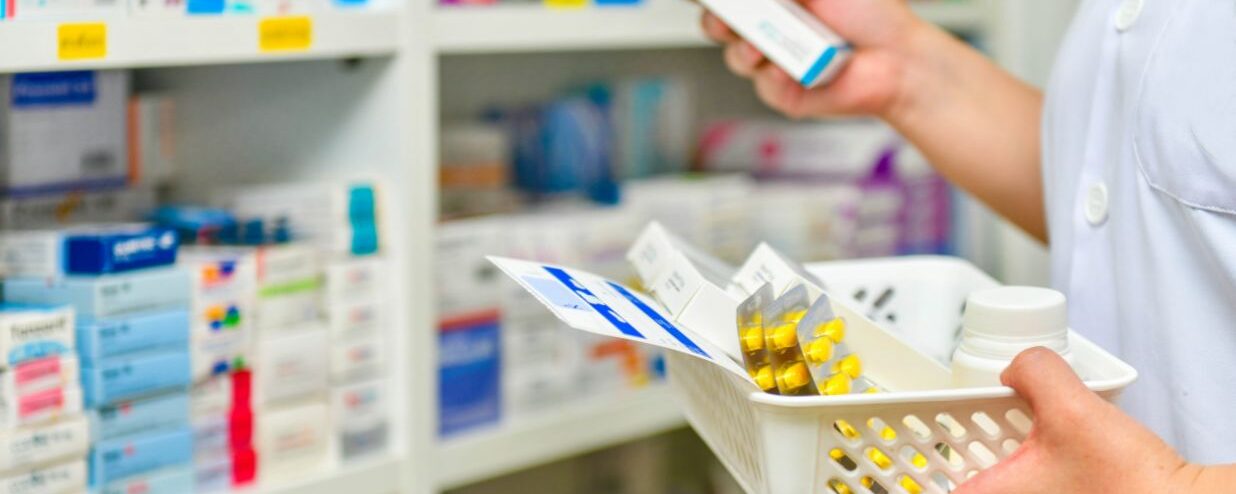

Unlike drugstores in many other countries, Japanese drugstores (ドラッグストア) sell far more than over-the-counter medicine. They’re a category of their own — part pharmacy, part beauty counter, part snack aisle — packed with affordable skincare, everyday essentials, and snacks you won’t find anywhere else. That makes them a lifesaver, especially if you’re not quite ready to navigate a hospital or clinic visit in Japan (yet).
So what about actual pharmacies? Are they different from drugstores, and when should you go to one instead of the other? In this article, we’ll break down the difference between Japanese drugstores and pharmacies, highlight the best things to buy at a drugstore, and introduce some of the top drugstores to check out in Tokyo and beyond.
What is The Difference Between a Drugstore and a Pharmacy in Japan?
In Japan, drugstores and pharmacies are two different types of establishments that offer different services.
A drugstore is called ドラッグストア (doraggu suota) in Japanese and written in katakana. A drugstore in Japan is a retail store that sells a wide range of health and beauty products, including over-the-counter medication, toiletries, cleaning products, cosmetics, and more.
A pharmacy is called “yakkyoku” in Japanese and written in Kanji. In Japan, hospitals and clinics do not dispense medication. After seeing a doctor and receiving treatment, you will be prescribed medication; the prescription is called “処方箋” (shohousen), which is accepted at any pharmacy. Pharmacies are healthcare establishments that specialize in dispensing prescription medicine. Pharmacies are usually located inside hospitals and near clinics.

Drugstores generally do not carry prescription medications, except for larger drugstore chains. However, you will often see drugstores attached to a smaller pharmacy. A drugstore that handles prescription medicine will display a sign saying 処方せん受付 (shohousen uketsuke), which means “prescription reception”.
The interior of a drugstore is similar to that of a supermarket, with products displayed on shelves. If the drugstore handles prescriptions, there will be a counter manned by pharmacists.
Since pharmacies primarily handle prescriptions, their interiors differ from those of drugstores. There will be a reception counter for prescription pickup and insurance card processing, and separate counters for medication pickup and payment. Some pharmacies may sell a small selection of health products like energy drinks and cold compresses for fever.
A lot of the time, though they’re technically different, you’ll see a drugstore and a pharmacy with prescription reception attached to one another!
Best Things To Get In Japanese Drugstores
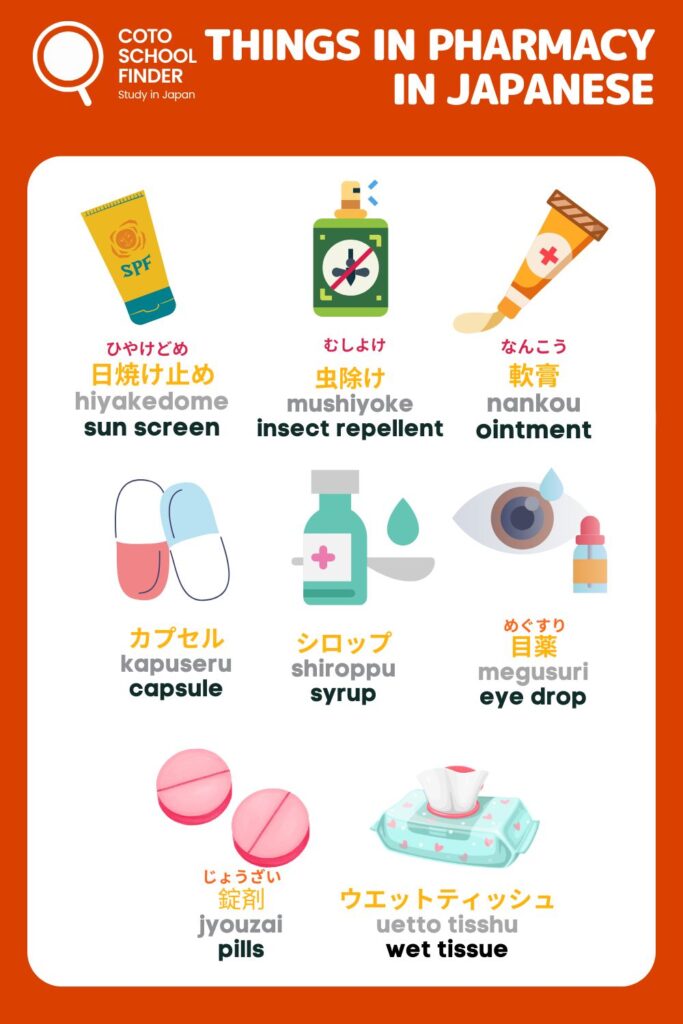
Japanese supermarkets mainly sell food and drinks, but rarely household supplies, which are largely found in drugstores. Some supermarkets do sell household supplies, but usually in limited numbers and choices. Larger supermarkets may have a separate floor or dedicated area that caters to these items, the so-called “drugstore” area of the store, but again, these are rare.
Japanese drugstores offer a wide range of products, such as:
- Skincare Products (facial cleanser, toner, serum, moisturizer, mask, sunscreen, etc.)
- Cleaning Products (laundry detergent, dish soap, bleach, etc.)
- Kitchen Items (cling wrap, aluminium foil, kitchen towel, stove top cover, etc.)
- Health and Wellness Products (dietary supplements, pain relievers, cold and flu remedies, pain patches, etc.)
- Food & Snacks (chocolate, throat sweets, biscuits, gummies, energy bar, jelly, etc.)
- Drinks (water, energy drinks, soft drinks, tea, etc.)
Among these, here are the best items you should try getting at Japanese drugstores:
1. Skincare and beauty products
Japanese skincare products are famous for their high quality and suitability for sensitive skin. While you are in Japan, consider trying some Japanese skincare brands that may only be available in Japanese drugstores. Furthermore, drugstore-available skincare products are usually cheaper than branded ones but do not lack in quality.
Popular Japanese Brands: Curel, Biore, Hada Labo, Nameraka Honpo Soy Milk, Keana Nadeshiko, SK-II, Minon, DHC, Kose, Sekkisei, and more.
2. Cosmetic products
Japanese makeup is known for being lighter and more natural-looking. Drugstores are a great place to browse for cosmetic products, with many brands gathered in one area for easy viewing. There are also testers, so you can try it out.
Popular Japanese Brands: Canmake, KATE TOKYO, Cezanne, Lunasol, Majolica Majorca, Isehan, and more.
3. Hair products
With famous hair product brands like Shiseido and Kao that are well known even outside Japan, browsing drugstores for all kinds of hair products is highly recommended. There is usually a whole section dedicated to shampoos, conditioners, treatments, and hair styling products like wax, gel, balm, and more. If you are interested in dyeing your own hair, there are also numerous local Japanese brands to consider. We also recommend getting shampoo to help maintain dyed hair.
Popular Japanese Brands: Shiseido, Kao, Botanist, Oshima, Tsubaki, & Honey, Diane, Ichikami, and more.
3. Bath and shower products
Body wash and soap aside, one of the best things to get at drugstores is Japanese bath salts. Soaking in a hot bath after a shower is a huge part of Japanese culture, the same custom as washing yourself before entering a hot spring, which is why most Japanese bathrooms come with shower and bathtub facilities. Part of the fun of enjoying a hot bath is trying different bath salts each time. You can also buy bath salts as souvenirs from hot spring towns to use at home.
Popular Japanese Brands: Kao Bub, Onpo, Shokubutsu, Biore, CareCera, Botanist, Cow Brand, Bouncia, and more.
4. Health and wellness products
When first visiting a Japanese drugstore, you may be overwhelmed by the many choices available for a single item. For example, if you are looking for eye drops, Japanese eye drops come in wide varieties. There are cooling eye drops to make your eyes feel refreshed, eye drops for dryness and allergies, eye drops with added vitamins to improve eye health, eye drops to protect eyes from frequent computer usage, eye drops for nighttime recovery, and more. This is just for eye drops, so imagine the many options for other products too.
Popular Health and Wellness Products: Salonpas pain-relieving patch, ROHTO & Santen brand eye drops, LION foot care patch, Lipovitan D energy drink, supplements, and more.
Planning to Study in Japan?
If you’re visiting Japan for studies, make sure to check out our Study in Japan Guide for everything you need to know about deadlines, required documents, and student visas.
Best Drugstores In Japan
We’ve introduced so many good things you can get in Japanese drugstores, but which drugstores should you go to? In this section, we introduce some of the best drugstores in Tokyo. These are quite big-name drugstores, so they are also widely available across Japan.
1. Matsumoto Kiyoshi
Originally two separate companies, large drugstore companies Matsumotokiyoshi and Cocokara combined to become Matsukiyo Cocokara & Co. in 2021. As of 2022, Matsukiyo Cocokara & Co. has the largest number of drugstores in Japan, with over 3,328 stores nationwide. In Japan, we like to shorten them to Matsukiyo.
The yellow shop display is easy to identify and iconic. Matsukiyo has a large selection of medicinal goods, beauty & cosmetic products, food items, and daily necessities. The good thing about Matsukiyo is that they frequently have promotions and give out discount coupons for you to use on your next visit. They also have a membership system for point collection, which can be beneficial if you frequent Matsukiyo Cocokara.
2. Welcia
Welcia is the second-largest drugstore chain in Japan with 2,667 stores nationwide. Welcia’s business is centered on having drug stores that dispense prescription medications. Some Welcia stores have 24-hour service, including prescription medicine dispensation throughout the day. Welcia also has numerous subsidiary drugstores like Happy Drug and more.
If you are taking long-term medication, it may be a good idea to compare prices between Welcia and your usual pharmacy. There is a chance that Welcia’s prices may be lower.
3. Tsuruha
The third largest drugstore chain in Japan is Tsuruha, with 2,506 stores nationwide. They have their headquarters in Sapporo, Hokkaido. Tsuruha subsidiaries include Kusuri no Fukutaro, Drugstore Wellness, Kyorindo, Kokumin, and more. In 2022, Tsuruha partnered with Uber Eats Japan to offer product delivery services to customers, which brings us to introduce their online shopping services.
4. Sugi
Aside from operating drugstores, Sugi’s operating company, Sugi Holdings, is also involved in overall healthcare. Their brands include Sugi Yakkyoku, which is a drugstore and pharmacy in one, Sugi Smile, which supports the employment of people with disabilities, and Sugi Medical, which is a medical institution, pharmacy, and nursing services coordinating network office. It may be worthwhile to give Sugi your business, as their corporate social responsibility and contribution to society are worth supporting.
Want to do budget shopping instead? Check out the best things you can buy at a 100-yen store.
5. Sun Drug
And last but not least, we have Sun Drug, which has around 1,200 stores in 44 prefectures in Japan. Sun Drug has drugstores and pharmacies. Just like the other drugstores, they have a section selling pharmaceutical goods and cosmetics, and a section for selling everyday household products. They have a relatively large number of chain stores, so you are bound to come across one in Tokyo.
6. SEKI YAKUHIN
Easily noticeable with its red tulip logo, Seki has over 200 stores nationwide as of 2022 and was founded in 1984. You might not find its branches in Tokyo as much, since they operate mainly in Saitama Prefecture. It originally operated as a small pharmacy adjacent to a supermarket in Miyashiro City in Saitama.
7. CREATE
Create primarily operates in the Kanto and Tokai regions, with a corporate culture centered on strategically dominant store openings in these areas. As of January 2026, the company operates approximately 800 stores nationwide, about 400 of which offer pharmacy services.
Unsurprisingly, many customers visit the drugstore to purchase daily groceries and necessities rather than medicine. In fact, around 40% of its sales come from food products.
8. COSMOS
Dubbing itself as a “discount drugstore”, Cosmos offers a wide range of daily necessities, including food products, medicines, and cosmetics at a more affordable price. As of 2026, the total number of Cosmos Pharmacy stores is around 1,600 nationwide. The chain does not operate in Hokkaido or Okinawa. It is primarily concentrated in the Chugoku region and the central Kyushu area. It has the most stores in Kumamoto and Fukuoka Prefectures.
9. SEIMS
SEIMS primarily operates in the Kanto region, particularly in Saitama, Kanagawa, and Tokyo. In particular, it has around 240 stores in Kanagawa Prefecture.
In addition to its drugstores, SEIMS also operates dispensing pharmacies. A dispensing pharmacy is a medical facility that prepares and dispenses medications based on prescriptions issued by doctors and safely provides them to patients.
10. WANTS
WANTS is part of the larger drugstore group Tsuruha Holdings. The brand is currently expanding its business primarily in Hiroshima and Yamaguchi prefectures. Although its core operations are concentrated in the Chugoku region, WANTS also operates some stores in Tokyo. In addition to the WANTS brand, Tsuruha Holdings manages several other drugstore brands across Japan.
Tips for Shopping at Japanese Drugstores Even If You Can’t Read Japanese
Visiting Japanese drugstores can feel overwhelming if you don’t speak the language, but don’t worry — there are plenty of ways to shop confidently and find exactly what you need.
1. Look for English or multilingual signs:
Many large drugstores in popular areas like Tokyo’s Ginza or Shibuya offer English labels or signs. Look around the store entrance or ask staff if they have English guides.
2. Use barcode scanner apps:
Apps like Google Translate or Payke let you scan product barcodes or labels to see translations and detailed info right on your phone.
3. Focus on packaging clues:
Japanese products often have pictures or icons showing usage (like a sun for sunscreen or a water drop for moisturizer). Bright colors and familiar brand logos can also guide your choice.
4. Ask for help:
Don’t hesitate to ask store staff for assistance. Even if their English is limited, pointing at the product or showing your phone screen can go a long way.
5. Start with popular categories:
If you’re unsure what to pick, focus on well-known categories like sunscreens, facial masks, or vitamins. These tend to have more English info and are safe bets for quality.
6. Look for tax-free counters:
If you’re a tourist, bring your passport and shop at stores with tax-free counters to save money. Staff will usually guide you through the process.
Using these tips will make your shopping experience smoother and more enjoyable—even if you aren’t proficient in Japanese.
Do You Need Health Insurance to Go to a Japanese Drugstore?
If you are visiting Japan for a short time, it is still possible to receive health care in Japan without health insurance. However, you do not actually need one if you are only buying over-the-counter medicine at a drugstore. Pharmacies in Japan generally require a doctor’s prescription to process orders. In this case, you will need to tell them that you don’t have health insurance, and they will provide you with the medication at its full price.
It works similarly when you do have travel health insurance, though. Without national health insurance or travel insurance, you will have to pay 100% of the medical fees upfront, but you will have to keep the receipt so you can claim a refund from your health insurance provider once you go back.
Conclusion
Drug stores in Japan offer a wide range of products that are necessary for a happy, healthy, and comfortable stay. From skincare and beauty products to essential toiletries and bath products, and also pain relievers and cough syrups that we may find ourselves needing, there is so much that they have to offer.
In fact, drugstores in Japan are even popular tourist shopping destinations for face packs and cosmetics, which make for excellent souvenirs and gifts for family and friends. In major cities and tourist destinations, the drugstores may even have foreign language support staff due to the frequent tourist customers. Many of these drugstores also offer tax-free shopping, so look out for the sign if you are planning to bring your purchases out of Japan.
Love what you are reading? Come to Japan on an exciting study-abroad journey!
If you love Japanese culture, why not study Japanese in Japan? Coto is excited to announce that we’re offering a matching service to help students find a Japanese language school that provides student visas.
So if you want to come to Japan, let us help you! We provide free support — no agent fee. Our goal is to help make your dream of moving to Japan come true. Find a language school today and contact us!
FAQ
What is the most popular drugstore in Japan?
The biggest drugstore chains in Japan are Matsumoto Kiyoshi, Welcia, and Tsuruha. These 3 drugstore chains have the largest number of operating stores in Japan nationwide.
What the most popular drugstore chain in Japan ?
The most popular drugstore chain in Japan is Matsumoto Kiyoshi, known as MatsuKiyo for short.
What is the difference between a pharmacy and a drugstore in Japan?
In Japanese, a pharmacy is called “yakkyoku” while a drugstore is called “drugstore” as well, but written in Katakana. The difference between them is their offered services. Pharmacies offer dispensation of prescription medicine services, while drugstores are retail shops that sell pharmaceutical products and everyday household items. It is common nowadays to find drugstores that also offer pharmacy services.
What to buy in Japanese drugstores?
Japanese drugstores offer a wide variety of products, including:
- Pharmaceutical products & OTC medicine
- Skincare, beauty products and cosmetics
- Hair, bath, and shower products
- Health and wellness products
- Household necessities
- Kitchen necessities
- Cleaning products
- Food & drinks
Read more:
Guide to Registering Your Bike in Japan
How to Create a Hanko (Japanese Stamp)