


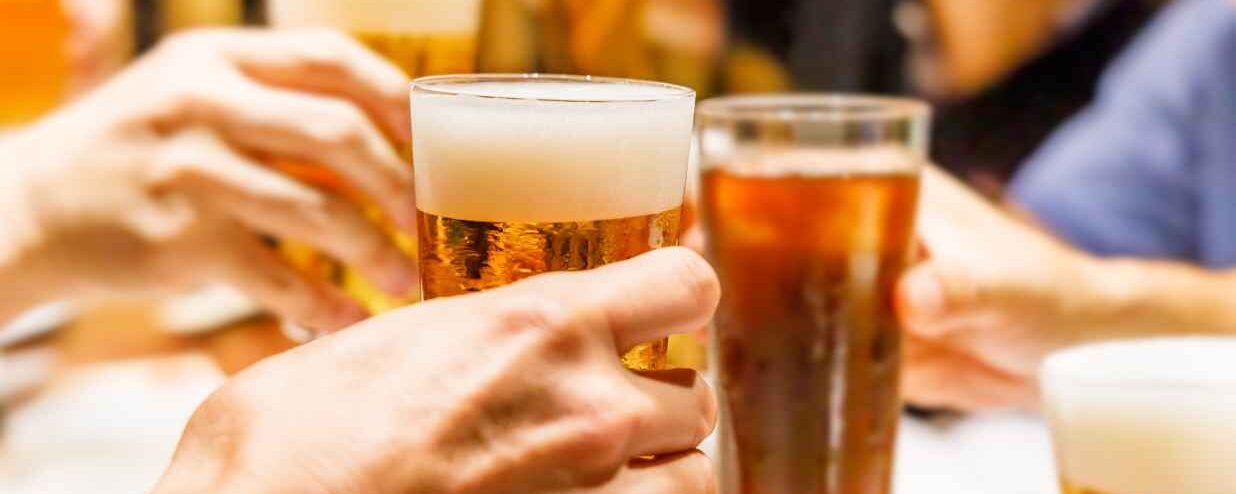

While Japan is known for its vibrant drinking culture, the country’s legal drinking age is higher than that of most of its neighbors and even several European nations. In Japan, the legal drinking age is 20, and it applies to everyone, including foreigners, exchange students, and tourists. Even if you are visiting from a country where drinking is permitted at a younger age, you are still required to follow Japanese law.
So, before you say, “Kanpai,” let’s learn everything you need to know about the drinking age in Japan: the laws, penalties, cultural norms, and tips for responsible drinking, so you can enjoy Japan’s unique nightlife and traditions without crossing any lines, legally or socially.
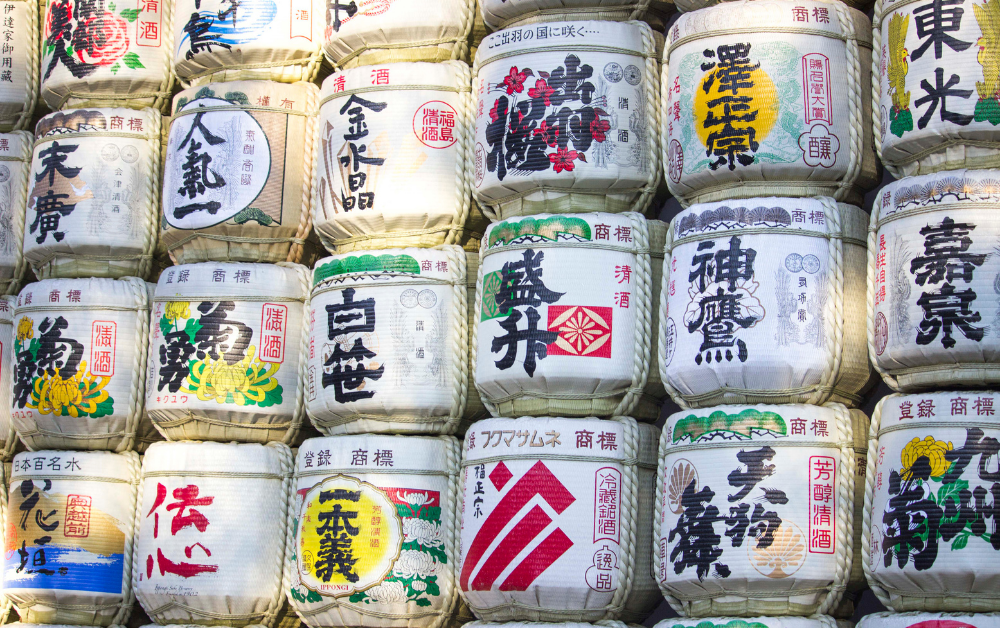
How Japanese Drinking is Different Than Other Nations
If you’re from countries with a lower legal drinking age, even very close neighboring nations that may only be a few hours away, you will need to remember the legal drinking age in Japan is 20 years old. For example, Taiwan, China, Vietnam, and Singapore set their legal drinking age at 18. In Germany, somewhat unsurprisingly, minors as young as 14 are allowed to consume certain alcoholic beverages when accompanied by a parent or guardian.
Keep in mind that when you visit or decide to live in Japan, you cannot be under the age of 20 to consume alcohol in public under any circumstances. However, the legal age for other rights and responsibilities, such as voting, getting married, or signing contracts, does not always align with the drinking age.
So, where is the line drawn when it comes to adulthood in Japan? What does it truly mean to be considered an adult?
When Are You Considered an Adult in Japan?
On April 1, 2022, Japan amended its Japanese Civil Code to lower the age of adulthood to 18, according to the Ministry of Justice (MOJ). This means that they are legally considered adults in the country and granted several new freedoms, such as signing contracts without parental consent, voting, and getting married. (Yes, the legal age for marriage is now 18 years old for both men and women! Previously, women could marry at 16 with parental permission.)
This is a big shift from the Edo period, when girls were considered adults at 13 and boys at 15. During the Meiji era, the legal age was raised to 20 for both genders, before it was lowered again to 18 in 2018, when the Japanese government passed a bill to lower the age of adulthood.
This legal shift was a strategic move by the Japanese government. With one of the world’s fastest-aging populations, Japan faces a shrinking workforce and an urgent need to revitalize its economy. By lowering the age of adulthood to 18, the government can involve younger generations in society and the economy earlier, encouraging them to become active consumers, voters, and independent citizens.
However, the decision to keep the drinking and smoking age at 20, which was already set in 1922 through the “Act on Prohibition of Drinking by Minors,” was kept as a cautious middle ground to maintain social order and health.
Check out the table below to see what is allowed and not allowed at 18 versus 20 years old in Japan.
| Activity | At 18 Years Old | At 20 Years Old |
|---|---|---|
| Legal Adulthood | Recognized as a legal adult | Fully adult (including drinking & smoking rights) |
| Voting | Allowed | Allowed |
| Signing Contracts (without parental consent) | Allowed | Allowed |
| Getting a Credit Card / Loans | Allowed (subject to approval) | Allowed |
| Marriage | Allowed | Allowed |
| Driver’s License (Cars) | Allowed | Allowed |
| Drinking Alcohol | Not allowed | Allowed |
| Buying Alcohol | Not allowed | Allowed |
| Smoking (including e-cigarettes) | Not allowed | Allowed |
| Gambling and pachinko | Not allowed | Allowed |
Legal Drinking Age in Japan and Penalties for Breaking the Law
The legal drinking age in Japan is 20. This rule is defined under the Minor Drinking Prohibition Act (未成年者飲酒禁止法), which strictly forbids anyone under 20 from buying or consuming alcohol, regardless of nationality. That means whether you’re a Japanese citizen, an exchange student, or a tourist visiting Japan, you must be at least 20 years old to drink alcohol legally.
What is Allowed:
- Buy alcohol at convenience stores, supermarkets, restaurants, and bars after turning 20.
- Drink in public (parks, beaches, festivals), as long as you behave responsibly.
What is Prohibited:
- Purchase or drink alcohol before the age of 20.
- Ask someone else to buy it for you; both of you can be penalized.
- Use fake IDs.
Japan’s alcohol regulations are strict and clear. This law doesn’t only apply to minors; it also holds sellers, restaurants, and even adults accountable if they provide alcohol to someone under 20. A few key legal points are:
- Supplying alcohol to minors (even by accident) is punishable by fines or imprisonment.
- Shops and restaurants that sell alcohol to underage customers risk losing their business licenses.
- Parents or guardians who allow minors to drink can also be held responsible.
The severity of penalties may vary from a simple official warning to criminal charges, especially if it is paired with fake ID usage. For example, if you are caught trying to buy alcohol when you are underage, the police might take your personal information and enter it into the system as a “juvenile delinquent”.
The law is often harsher to businesses or providers selling or providing alcohol to minors. For example, they can be fined up to ¥500,000 (approx. $3,300) and stripped of their liquor license. For izakaya, whose sales rely on alcohol, this essentially kills their business.
| Offense | Possible Penalty |
|---|---|
| Drinking under 20 | Official warning, fine, or police notice |
| Selling to a minor | Treated as document falsification, it can lead to criminal charges |
| Providing alcohol to minors | Similar penalties, plus business license suspension |
| Fake ID use | Treated as document falsification, can lead to criminal charges |
How Enforced is Japan’s Drinking Age?
Japan’s legal drinking age is enforced both legally and socially throughout the country. However, in practice, you may notice that some establishments do not always check identification as strictly as expected. Let’s take a look at a couple of common areas where you could buy alcohol.
Buying at a Convenience Store
When purchasing alcohol at a convenience store, for example, cashiers often ask customers to tap a confirmation screen that states, “I am over 20 years old” (20歳以上です). In many cases, they may not request physical ID verification. This can create the impression that the system is more symbolic than strict.
This confirmation carries legal responsibility. Pressing “yes” while underage constitutes falsification and is considered a violation of the law. Even without an ID check, the legal drinking age of 20 still fully applies, and both the buyer and the seller can face consequences if the law is broken.
Buying at Bars, Izakaya, and Liquor Stores
Liquor stores, bars, and izakaya (Japanese bars) may be more likely to check IDs if you look under 25. Just like convenience stores, they are subject to legal consequences if they knowingly serve alcohol to minors. They reserve the right to reject you from the establishment if you can’t show your ID or if you are underage (even if you are not planning to drink alcohol, to begin with).
Acceptable Forms of ID in Japan
So what kind of ID is accepted to prove your age in Japan? Some parts of Japan, echoing its cash-only culture, may only accept physical IDs, although we have also heard from our students who have shown their ID digitally (like a picture on their phone!)
For tourists and short-term visitors, your physical passport is your primary and often legally recognized ID. You might also be able to show your international driver’s license.
For residents (this includes workers and students), the zairyu card (在留カード), or residence card, is the gold standard, although you can also show your Japanese driver’s license, MyNumber card, and student ID.
Tip: Always keep your ID with you, especially if you look young. Japan takes underage drinking seriously, and fines can apply to both the buyer and the seller.
What International Students Need to Know
If you’re an international student in Japan, you might assume that a minor run-in with the law will result in nothing more than a “slap on the wrist” from the police. The harsh reality is that you’re often under heavier scrutiny than the locals. While a Japanese student might just get a lecture from their parents for drinking at 19, for you, it could mean a black mark on your record that puts your future visa or residency at risk
In Japan, your legal right to remain in the country is tied directly to your conduct and your “status of residence.” While a single incident of underage drinking might not trigger an immediate deportation order, it creates a permanent mark on your record that can haunt you for years. When the time comes to renew your student visa or transition to a work visa, even a “minor” police report can lead to trouble down the road.
A more pressing issue is that your primary forms of identification — your Zairyu Card and your Student ID — explicitly list your age and your school. If you are caught, the police are often legally or procedurally obligated to notify your educational institution. Depending on how strict the school is, it might result in suspension or expulsion. This creates a devastating domino effect: because your visa is legally tied to your enrollment as a student, being expelled means you lose your legal right to stay in Japan.
Drinking and Driving in Japan
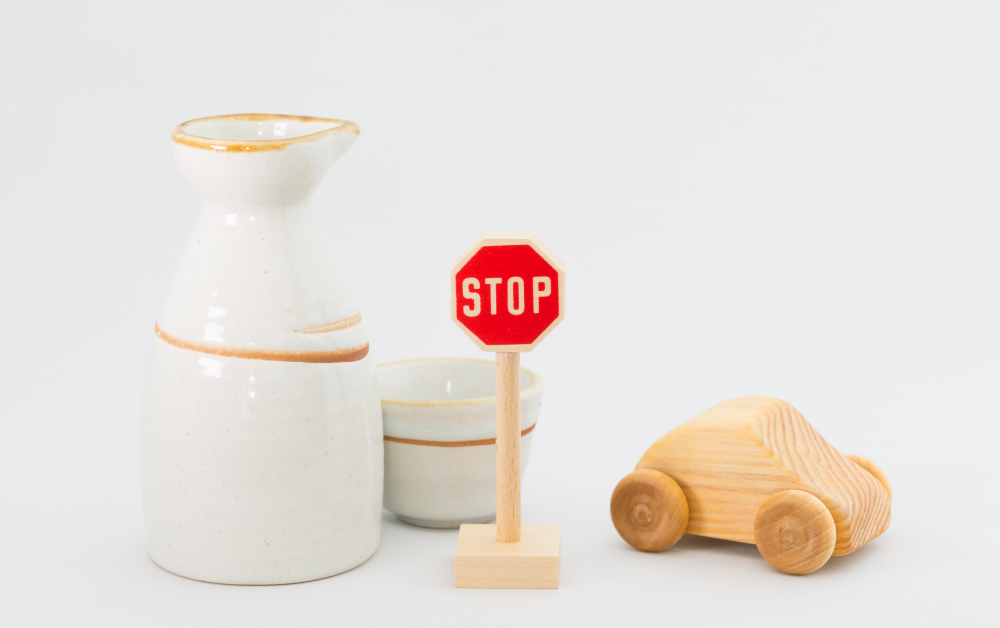
If there’s one rule Japan enforces more strictly than the drinking age, it’s the law against drunk driving. Even a small amount of alcohol can get you into serious legal trouble.
Japan’s Zero-Tolerance Policy for Drinking and Driving
Japan follows a zero-tolerance policy toward drinking and driving.
- The legal limit is 0.03% blood alcohol concentration (BAC) — far lower than in most countries.
- In practice, this means one drink can already exceed the limit.
- Police conduct random roadside tests, especially at night or during holidays.
So, if you plan to drink, use public transportation or taxis instead of driving. Japan’s train network is convenient and can take you to most places you need to go, and it runs quite late (often until midnight, and even later on special occasions like New Year’s). Some areas may have late-night buses that run as late as midnight, but it’s not as common.
Strict Penalties
The consequences of driving after drinking are severe, even for foreigners:
| Offense | Possible Penalty |
|---|---|
| Driving under the influence | Up to 5 years in prison or ¥1,000,000 fine |
| Riding in a car with a drunk driver | Up to 3 years in prison or ¥500,000 fine |
| Providing a vehicle to a drunk driver | Up to 5 years in prison |
| Employer liability (if employee drinks at work event) | Company fines and license review |
Even passengers who knowingly ride with an intoxicated driver can face punishment, a reflection of Japan’s culture of shared responsibility.
Foreign Residents and Tourists
For international residents, drunk driving can result in:
- Immediate license suspension or revocation
- Visa cancellation or deportation
- Being barred from re-entering Japan
Japan takes these cases seriously; there’s almost zero tolerance for exceptions.
Alternative Options
Japan offers safe and affordable alternatives:
- Daiko services (代行運転) — professional drivers who drive you and your car home.
- Taxis — available in most cities 24/7.
- Public transport — trains run late in major areas like Tokyo and Osaka.
What to Know About Japanese Drinking Culture
Understanding the drinking age in Japan also means understanding how people drink, and the place alcohol has in Japanese society. Alcohol is more than a beverage here; it’s a key part of Japan’s social life, from office parties to seasonal celebrations.
Nomikai: The Group Drinking Tradition
The word nomikai (飲み会) literally means “drinking party.” These gatherings happen everywhere — among coworkers, classmates, or friends — and are often seen as essential to building trust and harmony (wa).
During a nomikai:
- It’s polite to pour drinks for others, not for yourself.
- Wait for the group kanpai! (cheers) before drinking.
- Leaving your glass empty is a subtle sign you’re ready for a refill.
Tip: Even if you don’t drink alcohol, you can join! Order a non-alcoholic beer or juice, participation matters more than the drink itself.
Drinking as Part of Japanese Etiquette
Drinking together is often about showing respect and humility. Bosses pour for employees, and juniors (kohai) refill their seniors’ (senpai) glasses, reflecting Japan’s hierarchy and polite culture.
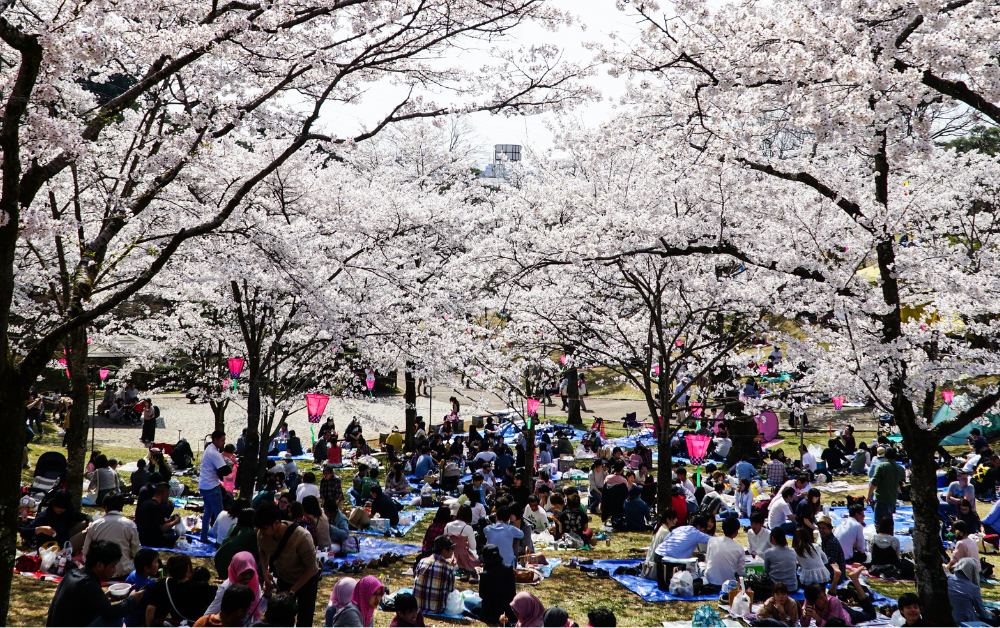
It’s also common to drink during seasonal events:
- Hanami (cherry blossom viewing) in spring
- Bonenkai (year-end parties) in December
- New Year’s celebrations with sake (otoso)
But regardless of the occasion, drinking age rules still apply — no one under 20 can legally join in the alcohol consumption.
Overdrinking Is Frowned Upon
While drinking is socially accepted, public drunkenness that causes disturbance (meiwaku kōi) is heavily discouraged. Japanese people value moderation and self-control, even in festive environments.
Cultural insight: The drinking age in Japan reflects a deeper idea that adulthood begins at 20, when individuals are trusted to act responsibly, both legally and socially.
Before you move to Japan, it’s helpful to understand a few cultural differences from where you come from, especially things that may come as a shock.
Where and When You Can Drink
One unique thing about Japan’s drinking culture is that alcohol is easily available — almost everywhere and at any time. But even though it’s accessible, the drinking age in Japan still applies strictly: only people 20 and over can buy or consume alcohol, no matter the setting.
1. Convenience Stores & Supermarkets
While you can buy alcohol at convenience stores (konbini) and supermarkets, you shouldn’t drink on the premises. Generally, you would purchase the drinks and go somewhere else. Many convenience stores and supermarkets don’t allow you to drink or loiter outside. So, it’s best to drink at your home or in an open public space like a park.
2. Restaurants, Bars, and Izakaya
Izakaya (Japanese pubs) are one of the most popular places to drink since alcohol is central to the menu. But bars and restaurants are also extremely popular and found all across the nation, so they are a common choice for drinking. Staff will ask for ID if you appear under 20. Many izakaya, bars, and restaurants offer “all-you-can-drink” (nomihoudai) plans, which are a very cost-effective option if you want to drink a lot.
Note: some izakayas and bars may ban entry for minors altogether, even if they don’t plan to drink.
3. Drinking in Public Spaces
Unlike many countries, drinking in public is legal in Japan, which means you can drink at:
- You can enjoy a beer in parks, at the beach, or by the river — especially during hanami (cherry blossom season).
- However, local governments sometimes set temporary bans during festivals or busy seasons to prevent littering or noise complaints.
Always clean up your trash, leaving empty cans behind is considered meiwaku (bad manners). Japanese culture values cleanliness and hygiene, so it’s everyone’s responsibility to keep public areas clean.
4. Festivals and Seasonal Events
Japan’s matsuri (festivals) often feature food stalls and sake stands. Drinking is part of the fun, but again, only for adults over 20. Festival organizers sometimes mark alcohol-free zones or use wristbands to identify legal drinkers.
Remember: While Japan allows public drinking, it also expects quiet, respectful behavior — another reason the drinking age in Japan is tied to maturity and accountability.
Non-Alcoholic and Low-Alcohol Alternatives
If you’re under the drinking age in Japan or simply prefer not to drink alcohol, you’ll still find plenty of options to enjoy Japan’s vibrant social life. Japanese culture embraces inclusivity at social gatherings, with many creative alternatives that let you take part without breaking the law — or the fun.
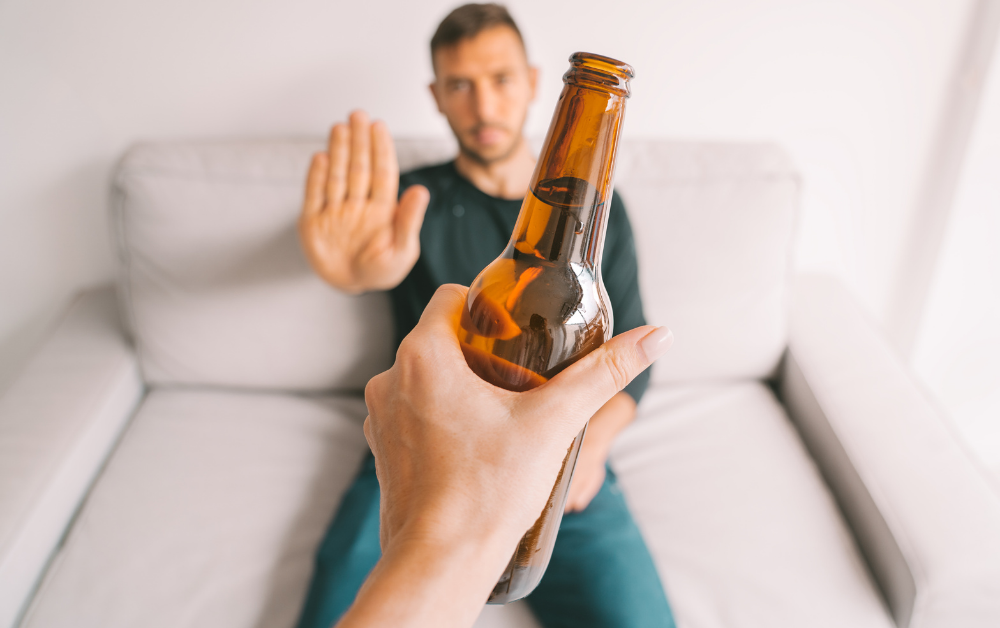
Non-Alcoholic Beers and Cocktails
Japan’s beverage industry offers an impressive variety of non-alcoholic beers (ノンアルコールビール) and mocktails that look and taste just like the real thing — minus the alcohol.
Popular brands include:
- Asahi Dry Zero
- Kirin Zero Ichi
- Suntory All-Free
You can order these at most izakaya, restaurants, and convenience stores. They’re marketed for drivers, health-conscious adults, and those under 20 who still want to join the cheers (kanpai!).
Traditional Japanese Drinks
If you’d rather skip imitation beers, Japan has countless traditional and unique modern beverages that suit any occasion:
- Green tea (緑茶 / ryokucha): generally earthy and slightly to moderately bitter. There’s a wide variety of green tea worth trying.
- Japanese Cider/Soda: There’s a huge range of unique Japanese ciders that often use real fruit flavors. Plenty of options to try and enjoy at get-togethers and parties.
- Calpis (カルピス): a sweet, yogurt-like soft drink.
- Ramune (ラムネ): the famous marble soda, a nostalgic summer favorite.
- Yuzu juice (柚子ジュース): a refreshing citrus drink often served in bars and cafes.
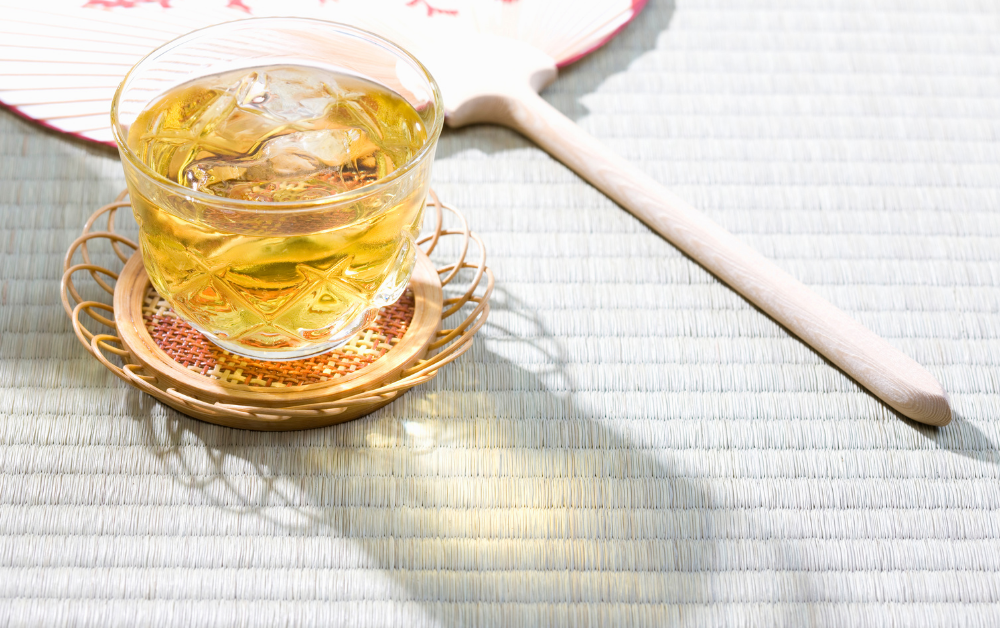
Tip: Many izakaya include a soft drink menu just for non-drinkers, don’t hesitate to ask.
Low-Alcohol Drinks (For 20+)
For adults above the drinking age in Japan, there are also low-alcohol options like:
- Chuuhi (チューハイ) with 3%–5% alcohol
- Umeshu soda (梅酒ソーダ) — a mild plum wine cocktail
- Highball with light whiskey and soda
These are popular among people who prefer to drink moderately or enjoy longer social gatherings without overdrinking.
Joining the Party Without Drinking
In Japan, saying “I don’t drink” (nomemasen / 飲めません) is completely acceptable.
Japanese people will respect your choice and still want you to participate in conversations and group toasts. The important part is joining the experience, not the alcohol itself. The drinking age in Japan may define when you can drink, but it doesn’t define how social you can be.
Conclusion
Turning 20 is a milestone in Japan; it marks the beginning of legal adulthood and the right to drink responsibly. The drinking age in Japan isn’t just a rule; it reflects a cultural value of maturity, respect, and self-control.
Whether you’re a student, traveler, or new resident, understanding these laws helps you integrate smoothly into Japanese life and enjoy everything from izakaya nights to hanami picnics without worry.
Ready to learn more about life and culture in Japan?
Explore our latest guides and find Japanese language schools that help you adapt, study, and thrive with Coto School Finder
What is the legal drinking age in Japan?
The legal drinking age in Japan is 20 years old. This applies to everyone, including Japanese citizens, residents, and tourists.
Can foreigners under 20 drink in Japan?
No. The law makes no distinction between locals and foreigners. Drinking or purchasing alcohol under 20 is illegal for everyone.
Can I drink in public in Japan?
Yes. Drinking in public spaces like parks or beaches is legal, but you’re expected to behave quietly and clean up afterward. Some cities temporarily restrict public drinking during festivals or major events.
Are IDs checked when buying alcohol?
Yes. Most convenience stores, bars, and izakaya check ID if you look under 25. You’ll also need to confirm your age on a touchscreen when buying alcohol in stores.
What happens if you’re caught drinking underage?
Underage drinking can result in police warnings or fines, and the shop or restaurant serving you could lose its license. For foreigners, serious cases may lead to visa issues or deportation.