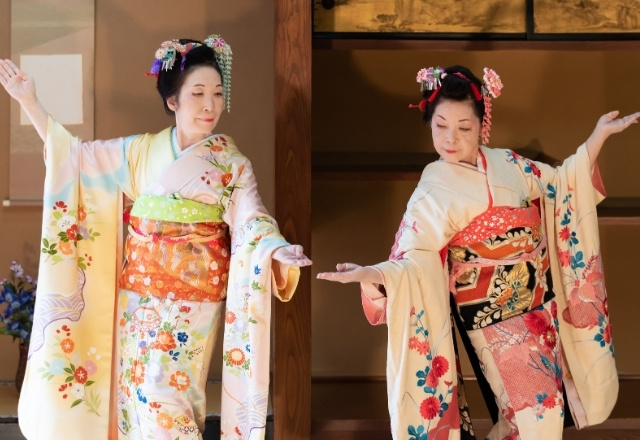
Japan might be known for its beautiful sakura in spring and colorful leaves in autumn, but it is also very famous for light and fluffy snow. Suitable for skiing and snowboarding, sparkling illumination festivals and traditional onsen towns. Making it an ideal destination for winter as well.
So why don’t we embrace the coldness and visit the most charming towns across Japan this winter?
1. Hakodate, Hokkaido
As the southern gateway to Hokkaido, Hakodate becomes a snowy paradise in winter. The city is famous for its breathtaking panoramic views from the top of Mount Hakodate. The illuminated city streets contrast beautifully against the white snow and deep blue bay.
- Main Highlights: Visit Goryokaku, a star-shaped fort that looks stunning when entirely covered in snow.
- Local Flavors: Don’t miss the Hakodate Morning Market for fresh uni (sea urchin) and hairy crab. Make sure to try the local Lucky Pierrot burger chain.
- You can also see colorful foliage in autumnand the fort entirely covered in snow in winter.
Bonus: You can take a four-hour express train to Sapporo to enjoy the famous Sapporo Snow Festival in February.
2. Shirakawa-Go, Gifu
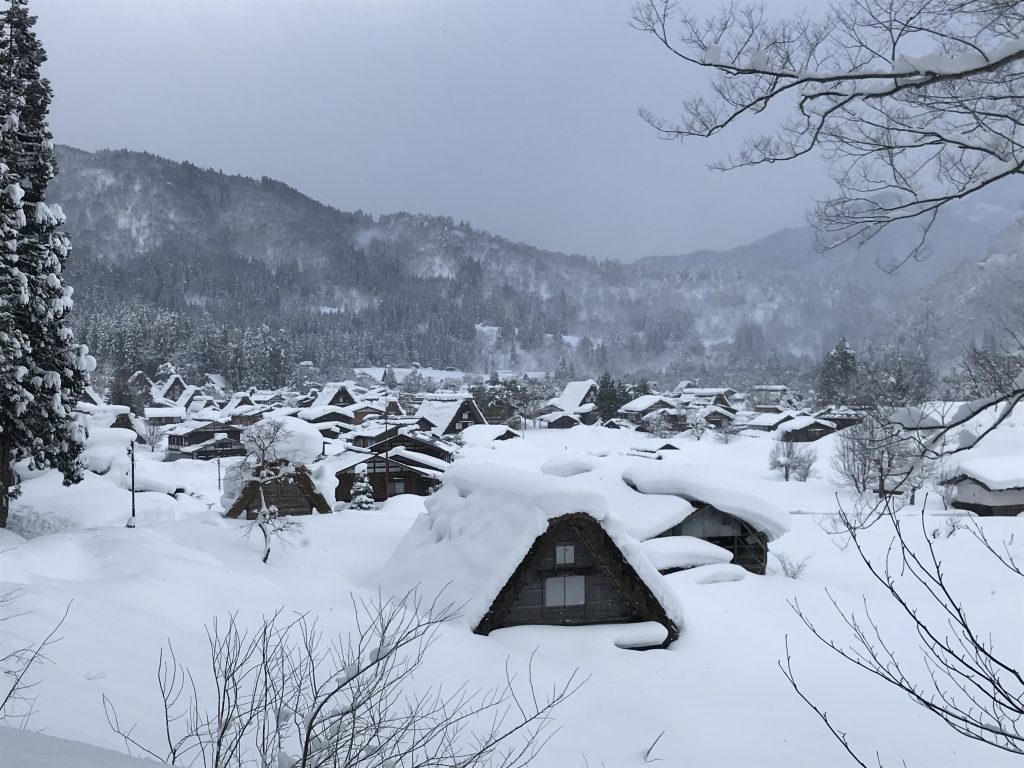
Famous for its gassho-zukuri farmhouses with steep, triangular thatched roofs. This UNESCO World Heritage site is one of Japan’s most iconic winter images. The thick snow on these traditional houses creates a scene straight out of a storybook.
- Main Highlights: Explore the Wada House, the village’s largest building, or cross the bridge to the Gassho-Zukuri Minkaen open-air museum.
- The Best View: Take a bus or walk up to the Shiroyama Viewpoint for a bird’s-eye view of the entire village in snow.
- Winter Light-Up: The village hosts a famous illumination event. Due to its popularity, staying overnight in a farmhouse, a truly unique experience, is often required to attend.
Bonus: There are also many local buses in the area linked between the village and other towns. Takayama is known for its preserved old town Sannomachi which is filled with Edo-period buildings. Crafts shops and restaurants where you can try the famous Hida beef. You can also go as far as Shinhotaka Ropeway and Matsumoto.
3. Kawaguchiko, Yamanashi

Lake Kawaguchi is one of the most famous lakes among Fuji Five Lakes because it is very convenient to travel from Tokyo either by train or bus. The lake might be more popular in spring due to cherry blossoms or in autumn because of the beautiful foliage around Momiji Tunnel. However, as the sky is clearer in winter, the chance of seeing Mount Fuji and its snowcap is pretty high (we still recommend checking the weather forecast before going there).
While Lake Kawaguchi is popular year-round, winter offers the clearest skies, providing a high chance of seeing Mount Fuji with its iconic snowcap.
- Main Highlights: Ride the Mount Fuji Panorama Ropeway for scenic views or visit Oishi Park at the end of the red bus route for a cafe with a perfect Fuji backdrop.
- Unique Experience: Visit the Kawaguchiko Music Forest, where you can listen to a gigantic organ in a European-style garden.
- Local Dish: Warm up with Hoto, a local Yamanashi specialty consisting of miso soup with flat, thick noodles.
There are several onsen places with a view of Mount Fuji you can enjoy. If you decide not to stay the night in the hotels or ryokans, there are still many day-use onsens you can dip in. After finishing the hot spring bath, you shouldn’t miss the local dish called Hoto, miso soup with flat thick noodles which can be found mostly only in Yamanashi.
4. Ginzan Onsen, Yamagata
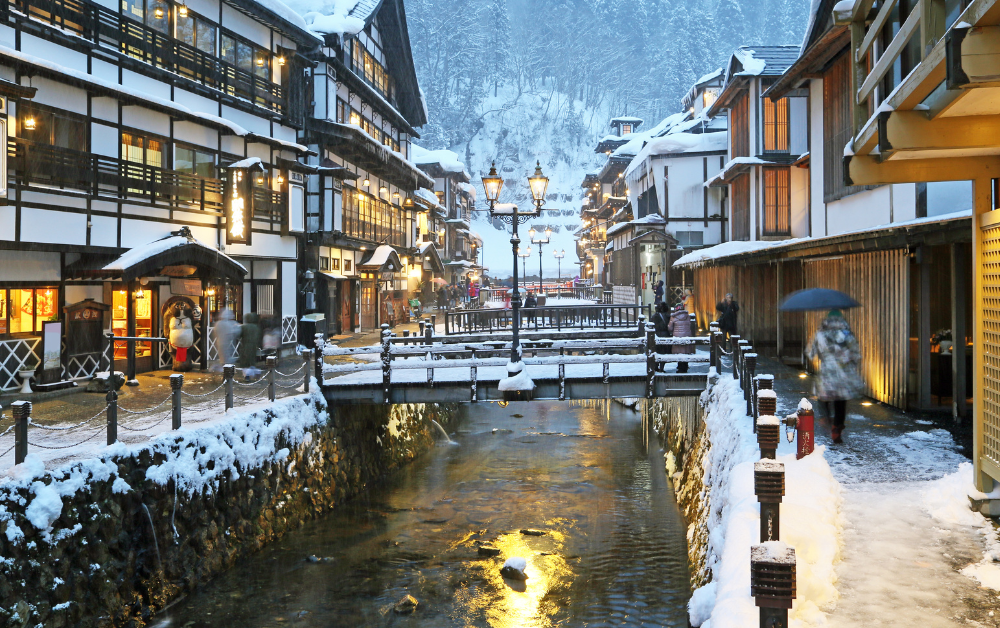
Ginzan Onsen is probably one of the most famous onsen towns among Japanese people as well as foreign tourists. It is a picturesque hot spring town featuring traditional wooden ryokans and gas lamps lining a central river. It offers an atmosphere of “old Japan” that is amplified by the winter snow.
- Access: It is reachable via the JR Yamagata Shinkansen from Tokyo in about three hours, followed by a short bus ride.
- Nearby Adventure: Just a short distance away is Zao Onsen, famous for its “Snow Monsters”. Trees encased in ice that create a mystical landscape, which can be viewed via ropeway.
Bonus: Yamagata really has plenty of onsen towns. The other recommended place is Zao Onsen whose spring water has a high acidity which is good for your skin. This onsen town is also famous for Zao Onsen Ski Resort which offers difficult levels for skiers and snowboarders. You can take a ropeway to see snow-covered trees that look like monsters due to a rare natural phenomenon.
Check out: Best Tattoo-Friendly Onsen and Sento in Tokyo and Yokohama
5. Yuzawa, Niigata
One of the most famous ski areas. There are many ski resorts in Yuzawa where you can choose to either ski or snowboard on the various levels. It’s very convenient whether you are still a beginner or already a pro. Besides snow resorts, Yuzawa is also famous for sake and onsen, where you can dip in a hot bath while watching the snowfall.
Known as yukiguni (snow country) due to its heavy snowfall, Yuzawa is one of the most accessible winter destinations from Tokyo, reachable in just under two hours.
- Skiing & Snowboarding: Packed with resorts for all levels, including GALA Yuzawa, which is directly connected to the Shinkansen station.
- Kiyotsu Gorge:”Tunnel of Light,” an art installation where stainless steel panels and a pool of water reflect the magnificent views of the gorge.
- Local Culture: The town is also famous for its local sake and the experience of soaking in an onsen while watching the snowfall.
Kiyotsu Gorge is considered one of the most beautiful gorges in Japan. You can easily walk into the 750-meter tunnel to see the magnificent view from different platforms. Filled with lights and art installations.
6. Kyoto
Kyoto’s traditional architecture takes on a serene beauty when dusted with snow. Iconic spots like the gold pavilion of Kinkaku-ji or the red torii gates of Fushimi Inari Taisha are particularly magnificent against the white.
The old capital of Kyoto is a city of timeless beauty that becomes truly ethereal when blanketed in snow. While it does not receive as much consistent heavy snow as northern Japan, a “snowy Kyoto” day offers a rare and magnificent sight that photographers and travelers highly prize.
- Local Food: Try Yudofu (tofu boiled in water and kelp), a simple yet rich local winter favorite. Other specialties include Kyoto-style ramen and saba sushi.
- Winter Events: During December, the Arashiyama area hosts spectacular light displays at the Togetsukyo Bridge and the famous Bamboo Forest. As winter transitions to spring in late February, you can enjoy the first signs of the season with plum blossoms at Kitano Tenmangu Shrine.
- Temple Landscapes: The shimmering gold leaf of Kinkaku-ji (The Golden Pavilion) creates a breathtaking visual contrast against a white winter backdrop. As do the thousands of bright red torii gates at Fushimi Inari Taisha. For a magical evening, head to Kifune Shrine in the northern mountains, where red lamps light the way along snow-covered stone stairs.
Kyoto-Style Traditions: Cultural traditions in Kyoto often carry a local flair; during Hinamatsuri (Girls’ Day) in March, families may display imperial dolls in a specific “Kyoto-style” arrangement. The male doll is traditionally placed on the right to reflect ancient court ceremonies. Seasonal Soul Food, To escape the damp Kyoto cold, locals enjoy Yudofu (tofu boiled in water and kelp). Other specialties include Obanzai (traditional Kyoto-style home cooking), saba sushi (mackerel sushi), and warming bowls of Kyoto-style tonkotsu ramen.
7. Kanazawa, Ishikawa
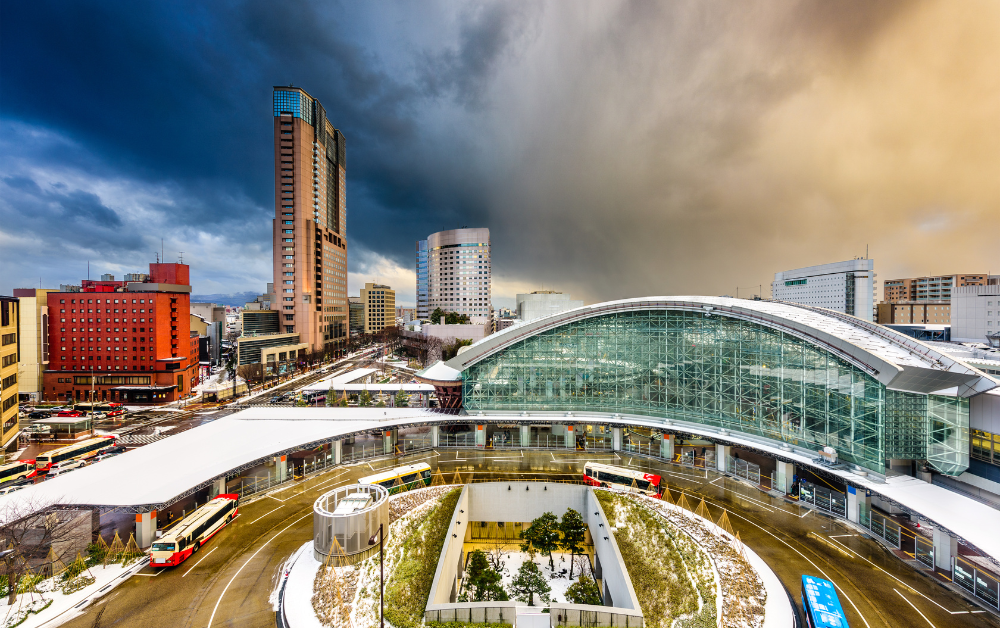
The capital of Ishikawa is known to have the best sushi in the country as Kanazawa faces the Sea of Japan and has plenty of varieties of fish in the sea. You can enjoy fresh and delicious sushi at many conveyor belt sushi places at a very reasonable price. Kanazawa is home to Kenrokuen Garden, considered one of Japan’s most beautiful gardens. In winter, the pine trees are protected by Yukitsuri, ropes arranged in a dome structure to prevent snow damage.
- Sushi Capital: Facing the Sea of Japan, Kanazawa is known for having some of the best sushi in the country. You can also try Kanazawa oden or soft-serve ice cream topped with gold leaf.
- Cultural Districts: Explore the Nagamachi samurai district or the Higashi Chaya geisha district.
Kanazawa also preserves its long history through architecture. You can travel back in time to a samurai district called Nagamachi and check out shops in a former geisha district called Higashi Chaya.
8. Kusatsu Onsen, Gunma
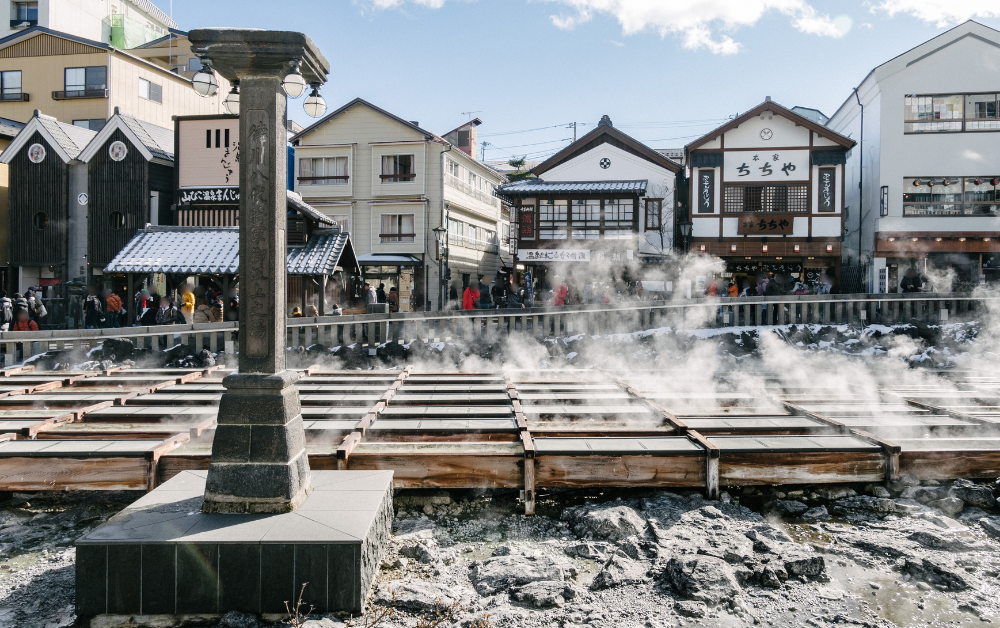
Kusatsu Onsen is consistently ranked among the top onsen towns in Japan. Due to its high-quality acidic spring water, which is famous for its healing properties. The heart of the town is the Yubatake (hot spring field), where massive amounts of steaming water flow through wooden chutes to be cooled before being piped to local baths.
- The Yubatake Experience: At night, the wooden structures of the Yubatake are beautifully illuminated, creating a misty atmosphere, perfect for a winter stroll.
- The Yumomi Show: Visit the Netsu-no-Yu building to witness Yumomi. A traditional 100-year-old method of cooling the scalding water using large wooden paddles accompanied by folk songs and rhythmic dancing.
- Winter Sports & Views: Beyond the baths, Kusatsu becomes a bustling ski resort in the winter. The slopes cater to all skill levels and offer night skiing. On clear days, you can even spot Mount Fuji from the peaks.
- Local Treats: Be sure to wander the streets surrounding the Yubatake to try onsen manju, sweet buns steamed by the natural heat of the hot springs
Kusatsu Onsen also becomes a famous ski resort in winter. There are several slopes for everyone from beginners to pro players. The ski resort also provides night skiing.
9. Jigokudani Monkey Park, Nagano
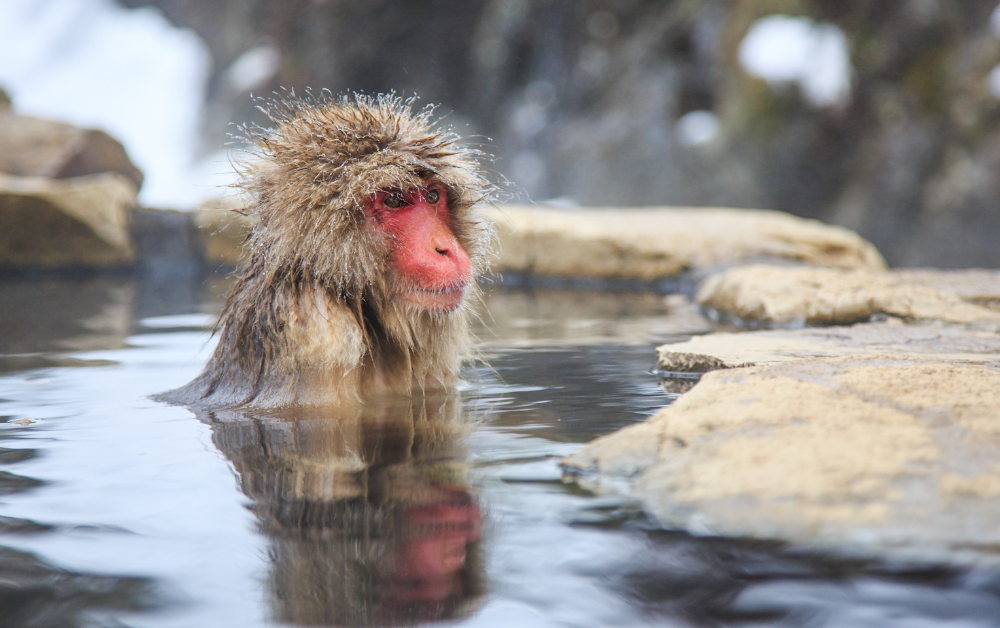
Tucked away in what is known as “Hell Valley,” the Jigokudani Monkey Park offers the world-unique sight of Japanese macaques (snow monkeys) seeking refuge from the cold in natural hot springs.
- The Winter Trek: While the park is open year-round, the monkeys are most likely to be found bathing between December and March. Visiting requires a 30-minute walk along a forest trail. In winter, this path is covered in snow, so sturdy, waterproof walking gear is essential.
- Shibu Onsen Bonus: Located just a short bus ride from the park is Shibu Onsen. A historic hot spring town with a 400-year history. This town is famous for its nine public baths. Typically locked and accessible only to locals and overnight guests who receive a special master key.
Bonus: Only the locals and tourists who stay in the ryokans will receive the key to unlock all the doors. Each onsen is believed to have different healing powers so it is really fun to dip in all the (extremely hot) baths and collect the stamps from each place.
10. Nabana No Sato, Mie
Located in Kuwana, just 30 minutes from Nagoya, Nabana no Sato hosts one of the largest and most spectacular illumination events in Japan. While it is a botanical park that celebrates flowers year-round. Winter transforms it into a shimmering field of millions of LED lights.
- The Kingdom of Lights: The park features massive light displays that portray scenes of mountains and nature. As well as its famous whimsical tunnel of lights. These illuminations typically run from October through May.
- Panoramic Views: Ride the Island Fuji observation platform, which rises high above the park to provide a 360-degree panoramic view of the glowing landscape.
- Nagashima Resort Access: Nabana no Sato is a sister park to Nagashima Spa Land, one of Japan’s premier amusement parks for thrill-seekers. You can easily combine your visit with a trip to the Nagashima Jumbo Sea Water Pool (in summer), the Steel Dragon 2000 roller coaster, or the massive Mitsui Outlet Park Jazz Dream Nagashima for luxury shopping.
- Indoor Beauty: Even in the height of winter, you can enjoy the warmth of the massive Begonia Garden, a giant greenhouse that houses thousands of vibrant flowers.
Even though the event is held between October and May, this flower theme park is famous all year round. The botanical area has various types of plants and flowers you can observe. It also has an onsen, outlet mall and restaurants as well. In the middle of the park, you can go up to Island Fuji, the observation platform that allows you to have the entire panoramic view of the park.
Want To Study Japanese in Japan?
Japan’s winter landscape offers far more than just high-speed runs; it is a season where adrenaline meets serenity. From the expansive snowfields of Hokkaido to the historic streets of Kyoto, every destination offers a unique window into Japanese culture.
If you find yourself inspired by the beauty of a Japanese winter and want to stay longer, consider enrolling in a Japanese language school. This allows you to deepen your cultural connection while enjoying the world’s best slopes and onsens every weekend.
Coto School Finder provides 100% free support to help you find the perfect language program in cities like Tokyo, Yokohama, or Sapporo and assists with your student visa application. Ready to start your adventure? Contact us for a free consultation today!
When is the best time to see snow in Japan?
While it varies by region, the peak snow season is generally from December to March.
Can I see the snow monkeys year-round?
The park is open all year, but the monkeys primarily bathe in the hot springs during the winter months, specifically between December and March.
Is it easy to get to ski resorts from Tokyo?
Yes! Places like Yuzawa in Niigata and GALA Yuzawa are directly connected to the Shinkansen, making them perfect for day trips.
Do I need special gear to visit these towns?
For most towns, standard winter clothing is fine. However, for places like Jigokudani Monkey Park, proper walking gear and sturdy boots are highly recommended due to the snowy trails.
What is the best way to travel with heavy winter gear?
To avoid hauling bulky bags on the Shinkansen, many travelers use a luggage delivery service (like Yamato) to ship their gear directly from the airport to their hotel.
What are some must-try winter foods?
In addition to seafood in Hokkaido, try Hoto noodles in Yamanashi, Yudofu in Kyoto, and Kanazawa oden in Ishikawa.