Moving to Japan is an exciting adventure, but it also comes with a fair share of “wait, what?” moments. From the lack of trash cans to the surprising politeness of crowded trains, Japan’s culture can feel like a fascinating mix of logic, order, and mystery. Culture shock in Japan doesn’t mean something is wrong, they’re simply signs of how deeply ingrained social harmony and respect are in daily life here.
Whether you’re visiting for the first time or settling down long-term, understanding these cultural quirks will help you adjust faster (and avoid a few awkward moments along the way!).
1. No Trash Cans… But No Trash Either

One of the first things foreigners notice in Japan is the mystery of the missing trash cans. You can walk for blocks without finding a single bin, yet the streets are spotless.
This habit dates back to the 1995 Tokyo subway attack, after which public trash cans were removed for security reasons. Since then, Japanese people have learned to carry their garbage home. You’ll often see people neatly folding wrappers or keeping empty drink bottles in their bags until they return.e
Each household follows strict recycling rules (more on that later), and this shared sense of responsibility keeps cities remarkably clean.
Tip: Always carry a small plastic bag or reusable pouch for your trash; it’s a lifesaver when you’re out and about.
2. The Tattoo Taboo

In many countries, tattoos are a form of art or self-expression, but in Japan, they still carry a complicated reputation.
For centuries, tattoos were associated with the yakuza (organized crime groups), which is why many public places, like onsen (hot springs), gyms, and swimming pools, still restrict entry to people with visible tattoos. Even though attitudes are slowly changing, tattoos can still surprise or make some locals uncomfortable.
That said, younger generations and tourist-friendly facilities are becoming more open. Many onsen now advertise themselves as “tattoo-friendly,” some even provide cover stickers with small designs for guests.
Tip: If you have tattoos, check the facility’s website before visiting, call, or ask at the front desk. It’s always better to confirm in advance.
3. Plans Canceled Because of Rain
Don’t take it personally if you’ve ever had Japanese friends cancel plans because of bad weather! It’s surprisingly common and socially acceptable in Japan to call off outings, dates, or even casual meetups when it rains.
While that might feel odd to foreigners used to “a little rain never hurt anyone,” this reflects Japan’s culture of comfort and consideration. People prefer to avoid getting drenched, slipping on crowded platforms, or showing up looking messy, and they assume others feel the same way.
Rainy days are often perfect moments to slow down, stay home, and recharge. So if your weekend plans suddenly disappear when the forecast turns gray, it’s just another glimpse into Japan’s thoughtful social rhythm.
Tip: Always check the weather before making outdoor plans, and keep a foldable umbrella in your bag (everyone in Japan does!).
4. Shoulder Bumping in Crowds

Walk through Shinjuku Station or the Shibuya Scramble Crossing, and you’ll quickly notice something: people bump shoulders all the time.
In Japan’s busiest areas, crowds move like flowing rivers. The goal isn’t to make eye contact or apologize every time you brush past someone, but to keep the flow moving smoothly. What might seem cold or rude in other countries is seen as usual and efficient here.
This quiet coordination reflects Japan’s deep respect for social harmony. It’s not about personal space but about moving together as a group.
Tip: When in crowds, match the walking speed, avoid sudden stops, and go with the flow. Think of it as joining a silent dance of city life.
5. Recycling Rules from Another Planet
Think you’re good at sorting your trash? Japan will make you think again.
Recycling here is an art form, and the rules can vary by city, ward, or building. You’ll often need to separate your waste into categories like:
- Burnable (燃えるゴミ) – food waste, paper, small plastics
- Non-burnable (燃えないゴミ) – metal, ceramics, glass
- PET bottles – with caps and labels removed
- Cans and bottles – washed and placed in designated bins
Some areas have strict pickup schedules. For example, burnable trash is picked up on Monday and Thursday, non-burnable trash is picked up twice a month, and recyclables are picked up on specific days.
These detailed rules reflect Japan’s deep respect for community order and environmental responsibility. Although the system may seem overwhelming at first, locals often help newcomers learn it.
Tip: Check your local city hall’s English guide for proper sorting, or take photos of the signboards in your neighborhood to remember what goes where.
6. No Tabearuki — Eating While Walking
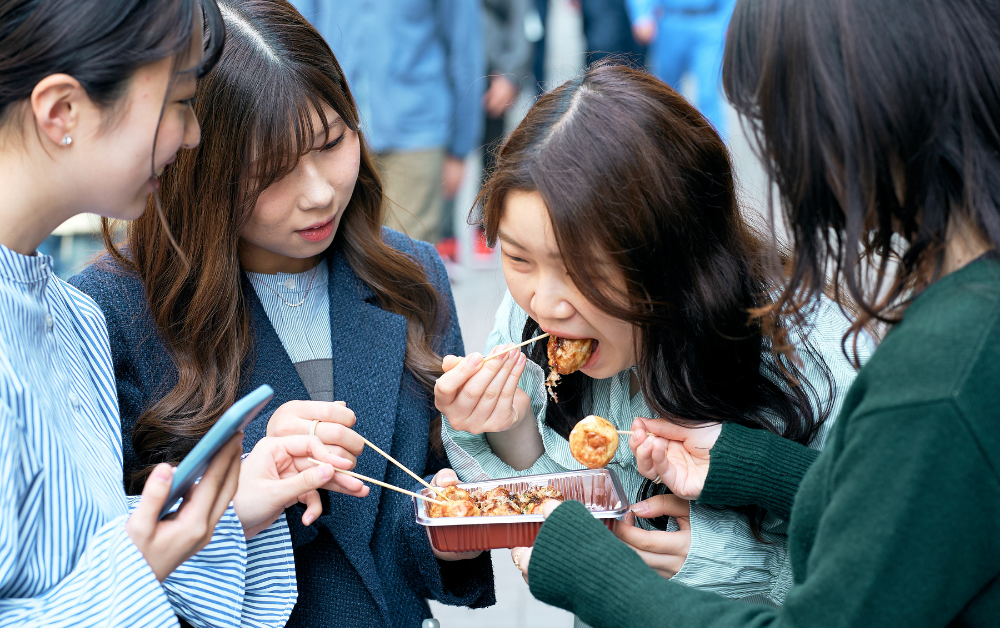
That delicious street food may look tempting, but in Japan, eating while walking (食べ歩き・tabearuki) is generally frowned upon.
It’s not illegal, but it’s considered impolite and messy, especially in crowded areas. Food might drip, spill, or create odors that disturb others. Instead, most people eat right next to the food stall, on a nearby bench, or at designated eating areas.
This custom reflects a broader Japanese value: mindfulness and respect for shared spaces. Meals are meant to be enjoyed calmly, not on the go.
Tip: If you buy something from a food stall, look for a small standing table or ask the staff if you can eat nearby; they’ll usually point you to the right spot.
7. Taxi Doors That Open Automatically
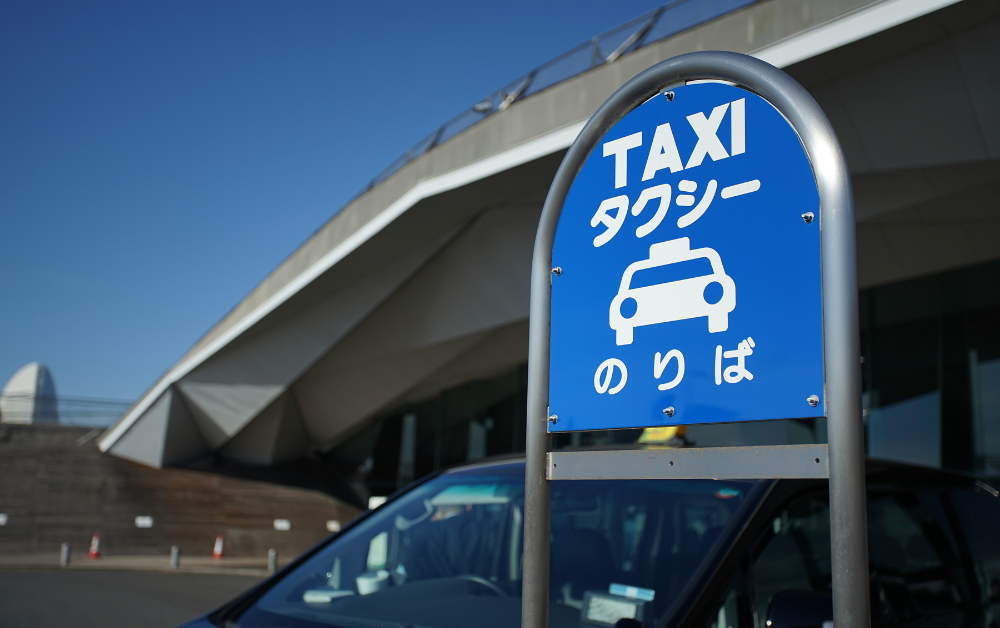
Here’s a surprise for first-time visitors: don’t touch the taxi door!
In Japan, taxi doors open and close automatically, controlled by the driver using a lever. It’s part of Japan’s commitment to customer service (omotenashi), where even small gestures are designed to make your experience smoother.
Reaching for the handle is considered unnecessary (and can even startle the driver). Just wait for the door to swing open, hop in, and let the driver close it when you arrive.
Tip: When paying, hand your cash or card politely using both hands, and thank the driver with a simple “ありがとうございます” (arigatou gozaimasu).
8. “Naughty” Magazines in Convenience Stores

You might be surprised that adult magazines are sold openly in Japanese convenience stores (konbini). They’re usually placed near the magazine or manga section, sometimes on the same shelves as regular publications.
While this might shock visitors, it’s fairly normal in Japan. These magazines are sold legally, and cultural attitudes toward such material are generally more matter-of-fact than taboo. However, in recent years, chains like 7-Eleven and Lawson have started limiting or removing adult content to make their stores more family-friendly.
Tip: If you see these magazines, don’t overthink it. Just know that they’re part of Japan’s long-standing publishing culture, and most people simply ignore them.
9. Tatemae — The Art of Social Harmony

In Japan, what people say and what they really think can sometimes be two different things, and that’s not necessarily a bad thing. It’s called 建前 (tatemae), meaning “public face” or “the façade one presents in social situations.”
Tatemae exists to keep interactions smooth and polite. Instead of saying “no” directly, a Japanese person might respond with “chotto…” (“it’s a little…”) or “it might be difficult.” This isn’t dishonesty, it’s a way to avoid conflict and preserve harmony (wa).
Foreigners often interpret this as being vague, but understanding tatemae helps you navigate Japanese communication gracefully. The opposite of tatemae is 本音 (honne), or one’s true feelings, something usually reserved for close friends or private conversations.
Tip: Don’t take indirect answers personally. If someone says “maybe next time,” it probably means “no”, but politely.
10. Pushing to Get Inside the Train
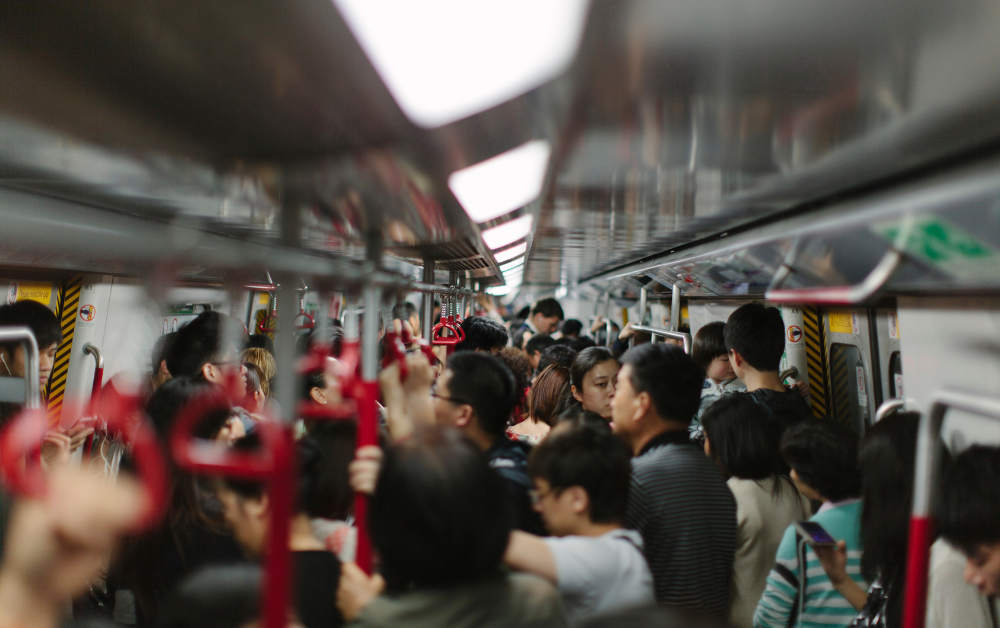
If you’ve ever taken the subway in Tokyo during rush hour, you know what it means to be part of a human puzzle. People line up neatly on the platform, but once the train arrives, things can get intense.
When it’s crowded, commuters may gently push to make space or help others fit inside. It’s not aggressive; it’s just part of the unspoken system that keeps trains running on time. Station staff, called “oshiya” (押し屋) or pushers, even help pack passengers in during peak hours!
Despite the chaos, everyone remains remarkably calm, quiet, and polite once the doors close. No shouting, no frustration, just quiet acceptance of a shared inconvenience.
Tip: Avoid rush hour (around 7:30–9:00 AM and 5:30–7:30 PM) if possible. And if you can’t, keep your backpack in front and move efficiently with the crowd.
11. Silence and Politeness in Public
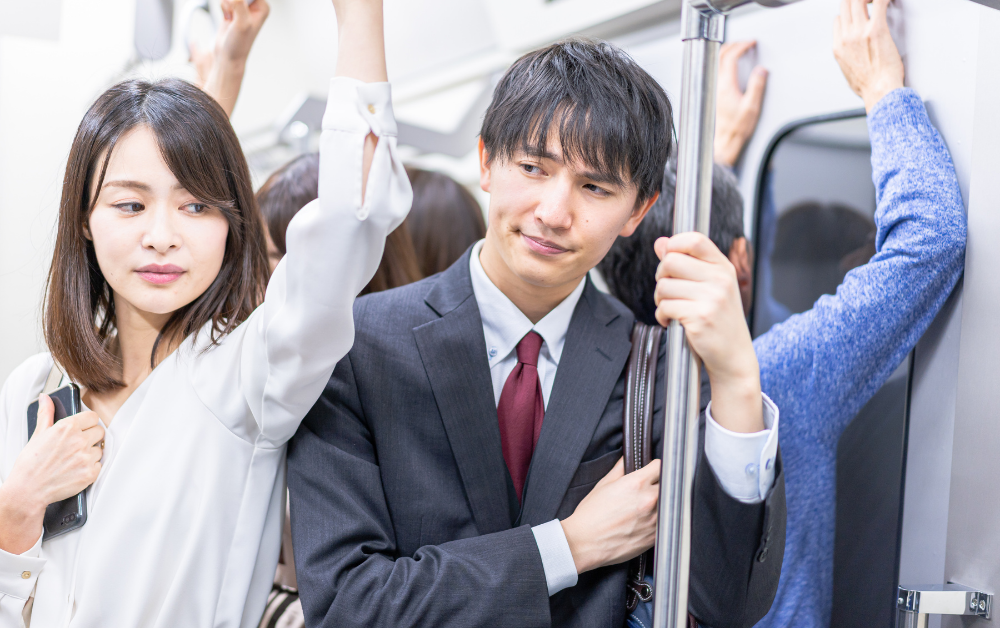
Step onto a Japanese train, and you’ll notice something immediately: silence.
No loud phone calls, no music leaking from headphones, no chatter echoing through the carriage.
In Japan, being quiet in public isn’t just good manners; it’s a sign of respect for others’ personal space. The same goes for restaurants, libraries, and even waiting rooms. People lower their voices, avoid blocking walkways, and take care not to disturb those around them.
This sense of consideration (思いやり, omoiyari) is a cornerstone of Japanese society. It can feel unusual for newcomers used to louder public life, but it’s one of the reasons cities like Tokyo feel so calm despite their size.
Tip: Keep your phone on silent mode in public, and save phone calls for outside or private areas. A little quietness goes a long way here.
12. Work Culture and Hierarchy

Japan’s work culture is famous, and sometimes intimidating, for its discipline, hierarchy, and long hours. But beneath the surface lies a deep sense of loyalty and teamwork that shapes how organizations function.
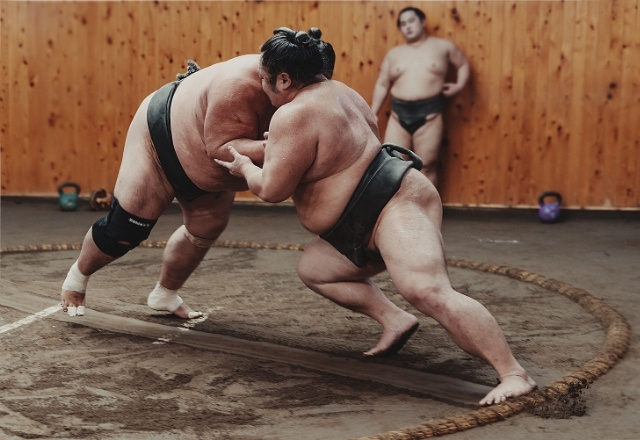
In many offices, seniority and age still play a major role. Employees are expected to show respect to their seniors (senpai) and follow instructions from those higher up in the hierarchy. Decisions are often made collectively, and maintaining harmony (wa) within the group is valued more than standing out individually.
That said, things are slowly changing. Many modern companies now promote flexible schedules, remote work, and gender balance to appeal to younger generations.
Tip: When working in Japan, remember small gestures matter, bowing when greeting, using polite language (keigo), and handing business cards (meishi) respectfully with both hands can make a great impression.
13. No Tipping Culture
One of the biggest culture shocks in Japan for newcomers is discovering that tipping doesn’t exist, not in restaurants, not in taxis, not even in salons.
While in many countries leaving a tip shows appreciation, in Japan, it can actually cause confusion or even embarrassment. Great service is simply part of the job, rooted in the Japanese philosophy of おもてなし (omotenashi), or sincere hospitality.
If you try to leave extra cash, a waiter will often politely refuse it or chase you down to return it. Instead, gratitude is shown through words, a simple “gochisousama deshita” (thank you for the meal) or “arigatou gozaimasu” is all that’s needed.
Tip: When you want to show appreciation, express it verbally or bring a small gift (omiyage) — it’s much more culturally appropriate than money.
14. Eating Quickly — No Lingering at Restaurants
Another culture shock in Japan is how fast meals can be. In many countries, dining out means long conversations and slow service, but in Japan, efficiency is key.
Whether it’s a ramen shop, sushi bar, or lunch spot, most people eat quietly and leave soon after finishing their meal. Restaurants rely on high turnover, especially during busy hours, and lingering too long can be seen as inconsiderate to waiting customers.
Tip: If you want a more relaxed dining experience, look for izakaya (Japanese pubs) or cafés, these are meant for chatting, drinking, and staying longer.
15. Endless Paperwork — Despite Being a High-Tech Country

One of the most surprising culture shocks in Japan for foreigners is how paper-based everyday life still is.
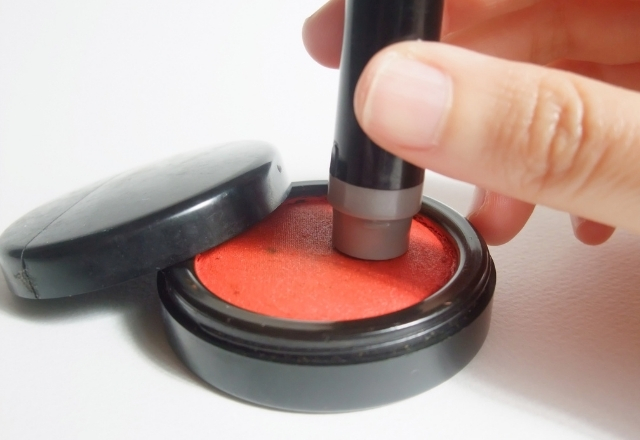
Even though Japan is famous for its technology, many official processes, from opening a bank account to registering your address, require stamps (inkan), handwritten forms, and sometimes even fax machines. Digitalization is progressing slowly, but tradition and attention to detail still dominate bureaucratic systems.
Tip: Always carry your inkan (personal seal), residence card, and pen, you’ll need them more often than you’d expect.
16. Humor and the Lack of Sarcasm
Japanese humor can be delightful, but it’s often very different from Western humor, another small culture shock in Japan.
Sarcasm, irony, or dark humor don’t always translate well, and may even cause confusion or discomfort. Instead, Japanese comedy focuses on wordplay (puns or “dajare”), exaggerated situations, or lighthearted slapstick.
Tip: Don’t worry if your jokes don’t land right away. Watch some Japanese comedy shows like Downtown no Gaki no Tsukai or Ametalk! to get a feel for the local humor style.
17. Kids Going to School Alone

One of the most heartwarming, and surprising, culture shocks in Japan is seeing young children walking to school or taking the train alone.
This practice stems from Japan’s strong sense of safety, trust, and community responsibility. Children are taught independence from a young age, and adults naturally look out for them. It’s a beautiful reflection of how social harmony extends to everyday life.
Tip: If you see kids commuting alone, don’t worry, it’s perfectly normal, and everyone around is part of an unspoken system of care.
18. Seniors Still Working Past Retirement Age
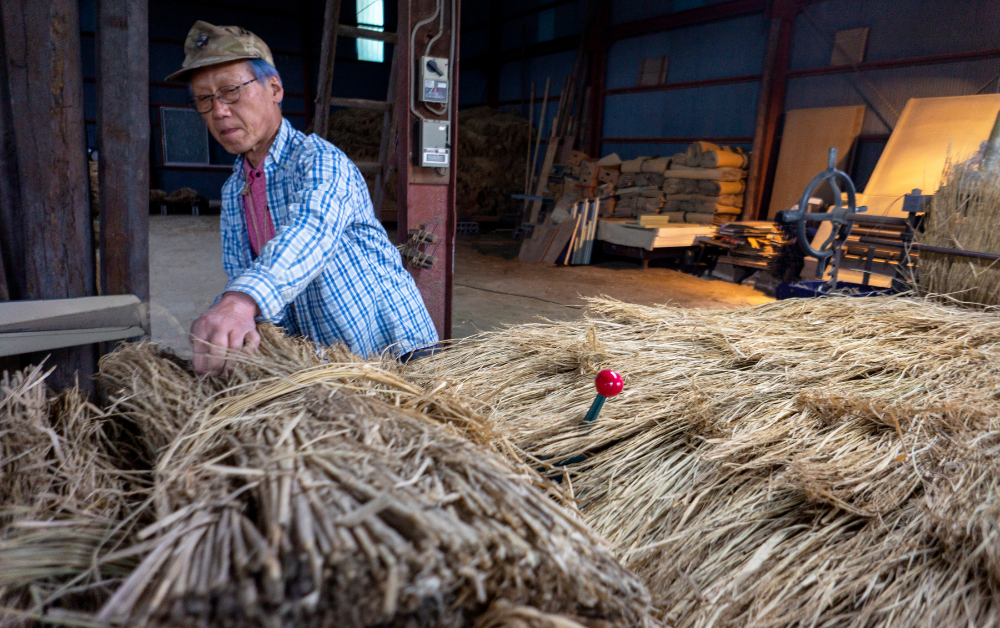
In Japan, retirement doesn’t always mean slowing down. It’s common to see elderly people still working, greeting customers, driving taxis, or maintaining parks.
This might surprise foreigners, but it reflects deep cultural values: dignity in work, community belonging, and staying active. Many seniors choose to continue working not necessarily for financial reasons, but to keep contributing and avoid isolation.
Tip: If you meet older workers, show respect and appreciation, longevity and dedication are highly valued traits in Japan.
19. Hanko (Name Seal) Culture
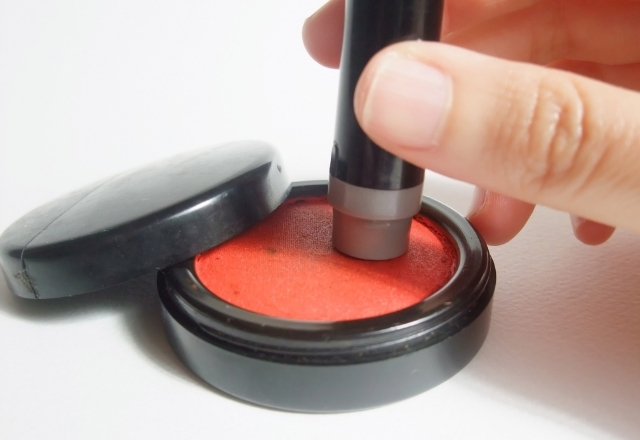
In Japan, the Hanko (personal seal) is more than just stationery; it’s your legal identity. While the rest of the world has moved toward digital signatures or scribbled ink, Japan maintains a centuries-old tradition where a small wooden or bone cylinder carries the weight of a person’s word.
This might surprise foreigners who expect a “high-tech Japan,” but it reflects a cultural emphasis on formality, lineage, and physical proof. Owning a Hanko is a rite of passage, symbolizing adulthood and the responsibility of entering into official contracts with society.
Tip: If you’re moving to Japan, invest in a quality seal. While “shachihata” (rubber ink-pad stamps) are fine for receiving packages, you’ll need a registered Jitsu-in for serious milestones like buying a car or renting an apartment.
20. Other Culture Shocks in Japan You Might Not Expect
Even after months of living here, small surprises keep coming. Here are a few more everyday quirks that often leave foreigners puzzled (and fascinated):
- Slippers for every room: You’ll find different slippers for the hallway, bathroom, and even the toilet, and mixing them up is a serious faux pas!
- Tiny living spaces: Apartments are compact, but designed for maximum efficiency, you’ll be amazed at how much fits in a few square meters.
- Loud slurping is polite: In noodle shops, slurping your ramen is not rude, it’s a sign that you’re enjoying the food.
- School and work uniforms: Uniform culture runs deep, from students to company employees, a symbol of unity and identity.
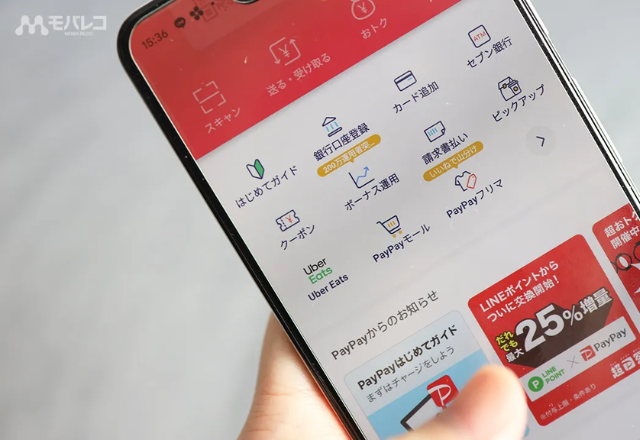
- Cash is still king: Despite Japan’s tech reputation, many local shops and restaurants still prefer cash.
All of these little moments, from automatic taxi doors to recycling PET bottles by the rules, make up the unique rhythm of daily life in Japan. They can be confusing at first, but each culture shock in Japan is also an opportunity to understand what makes this country so harmonious, respectful, and fascinating.
Conclusion
Experiencing culture shock in Japan isn’t a bad thing, it’s part of the adventure. Every confusing custom or surprising habit is a window into Japan’s deeper values: respect, order, and community.
So instead of comparing, observe and adapt. You’ll soon find yourself doing things the “Japanese way”, carrying your trash home, slurping noodles proudly, and bowing without even thinking about it.
If you’re ready to experience Japan for yourself, we can help you make the move.
Coto School Finder is a free service that connects you with Japanese language schools all over Japan, from Tokyo and Osaka to Okinawa and Sapporo. Our team helps you:
- Find a program that fits your lifestyle, schedule, and visa goals
- Compare tuition, locations, and start dates
- Get support through the entire application process
Whether you want to study for a few months or start a new chapter here, Coto School Finder makes it simple, and free.
Start your study-in-Japan journey today and experience these cultural surprises firsthand, not as a tourist, but as a local in the making!
What are common culture shocks in Japan for foreigners?
Some of the biggest culture shocks in Japan include the lack of trash cans, strict recycling rules, no tipping, quiet public spaces, and a strong sense of social hierarchy.
Why are there no trash cans in Japan?
Public bins were removed after the 1995 Tokyo subway attack. Today, people carry their trash home, a habit that helps keep Japan’s streets incredibly clean.
Is tipping rude in Japan?
Yes, tipping is not part of Japanese culture. Exceptional service is standard and included in the price, so a sincere “thank you” is the best way to show appreciation.
Why do Japanese kids go to school alone?
Japan’s neighborhoods are extremely safe, and community members look out for children. Independence and trust are important values taught from a young age.