


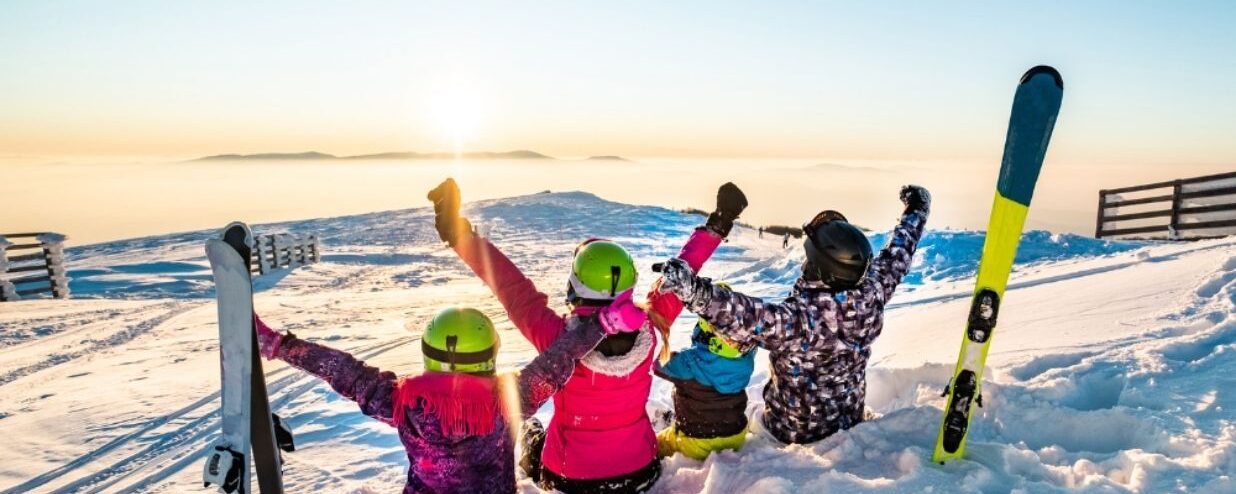

With over 500 resorts scattered across the archipelago, Japan is a premier global destination for winter sports enthusiasts. Whether you are chasing the legendary “JAPOW” (Japan Powder), famous for its light, fluffy texture and incredibly low moisture content, or looking for traditional hot spring retreats, Japan offers a unique blend of world-class slopes and deep cultural immersion.
From the northern heights of Hokkaido to the accessible peaks near Tokyo, here is everything you need to know about the best ski and snowboarding spots in Japan.
Hokkaido
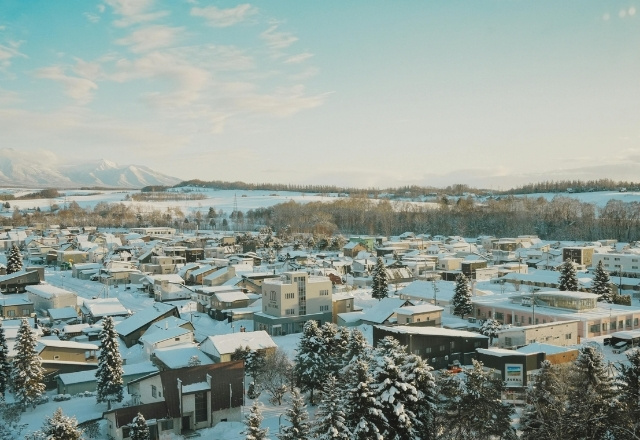
Hokkaido is the largest and northernmost Japanese prefecture, one of the best Ski and Snowboarding destinations in Japan. The most popular ski resorts in Hokkaido include Niseko, Furano and Rusutsu, and many are suitable for day trips. Hokkaido, Japan’s northernmost island, is synonymous with consistent, deep snowfall and high-quality “aspirin snow”.
Read more: 11 Things to Do in Hokkaido
1. Niseko United
Consisting of four interconnected resorts on one mountain, Niseko is one of the largest and most developed ski areas in Japan. It offers over 47 kilometers of groomed slopes and 9 gates for world-class backcountry access.
- Niseko Mt. Resort Grand Hirafu: The largest area, located on the southeastern side, featuring 22 trails and 13 lifts. It is the hub for dining, nightlife, and night skiing with seven dedicated runs.
- Niseko Hanazono Resort: Known for recent upgrades like the Symphony Gondola and stadium lights for night skiing, plus the luxury Park Hyatt Hotel.
- Annupuri: Offers the best lift-accessed off-piste terrain with popular gates like G1 and G7.
- Niseko Village: Home to the avalanche-controlled Mizuno no Sawa area and the Hilton Niseko Village.
Pro Tip: You can access all four resorts with a single Niseko United All Mountain Pass.
2. Rusutsu Resort
Rusutsu is the largest single ski resort in Hokkaido, spanning three mountains: West Mountain, East Mountain, and Mt. Isola. It is generally less crowded than Niseko and is famous for its “Heavenly” ungroomed trails and excellent tree runs.
- Mt. Isola: Features the resort’s longest trail, the Isola Grand (3,500m).
- Access: Fly into New Chitose Airport and take the “BIGRUNS” or “Resort Liner” bus.
3. Furano and Other Gems
- Furano: Offers a more authentic Japanese experience with stable weather and family-oriented activities like ice fishing and snowmobiling.
- Kiroro Snow World: Known for having some of the heaviest snowfall in Hokkaido.
- Tomamu: A high-standard resort with facilities like the “Ice Village” and great off-piste opportunities.
Check out: Best Tattoo-Friendly Onsen and Sento in Tokyo and Yokohama
Tohoku Region
Tohoku consists of six prefectures and is home to many smaller, less crowded resorts that offer a more localized experience, a highly underrated Ski and Snowboarding destination in Japan.
1. Aomori Spring Ski Resort
Located on Mt. Iwaki, this resort features 14 courses primarily for beginners and intermediates, but experts can enjoy guided backcountry tours above the tree line. It is home to the largest half-pipe in Japan, making it a favorite for Olympic training teams.
2. Zao Onsen Ski Resort
Located in Yamagata, Zao is world-famous for its “Juhyo” (Snow Monsters), ice-encased trees that create a mystical landscape.
- Highlights: The Juhyogen Course is one of the longest runs in Japan.
- Culture: After skiing, relax in the historic Zao Onsen village, which hosts an annual festival with fireworks and ice sculptures.
Check out: 5 Things to Do in Okinawa in Winter
Chubu Region
The Chubu region, including Niigata and Nagano, is home to the Japanese Alps and some of the most accessible resorts for day-trippers from Tokyo, another great Ski and Snowboarding destination in Japan.
Located in the middle of Japan’s main island, Chubu consists of nine prefectures including Niigata, Nagano, Gifu and Ishikawa. It is home to many famous ski resorts including Yuzawa, Shiga Kogen, Hakuba and Naeba.
A northern region in Honshu, Tohoku consists of six prefectures: Akita, Aomori, Iwate, Miaygi, Yamagata and Fukushima. Many of the ski resorts in the Tohoku region are not regularly visited by foreign tourists, and many of them are quite smaller. Some popular ski resorts in Tohoku include:
1. Yuzawa Town (Niigata)
Yuzawa is one of the easiest places to reach via Shinkansen.
- GALA Yuzawa: Directly connected to the Shinkansen station, making it perfect for a day trip.
- Kagura Ski Resort: Known for its long season (late November to late May) and access to powder snow.
- Naeba Ski Resort: Linked to Kagura via the Dragondola (Japan’s longest gondola), Naeba is a high-profile resort that hosts international competitions and the Fuji Rock Festival.
You might like: Where to Find Snow in Japan: Top 10 Towns to Visit
2. Nozawa Onsen Ski Resort
This historic Nagano resort offers a perfect mix of steep terrain and traditional culture.
- The Slopes: Challenge yourself on “Challenge 39,” one of the steepest runs in Japan.
- The Village: Famous for its 13 soto-yu (public hot springs) maintained by locals and the annual Dosojin Fire Festival in January.
3. Hakuba Valley
Host to the 1998 Winter Olympics, Hakuba features 10 distinct resorts, including Hakuba Happo-One and Hakuba47. It is favored for its big mountain scenery, steep vertical drops, and vibrant nightlife.
Discover: The Best Outdoor Activities Near Tokyo and Extreme Activities near Tokyo
Après-Ski
Après-ski is a french term that translates to “after ski” and it is used to describe activities that happen after the ski lifts close. In Japan, this includes time spent at a hot spring, izakayas (Japanese pubs), and bars specializing in sake or whisky, found in many Ski and Snowboarding destinations in Japan.
Larger areas such as Niseko and Hakuba have many facilities to cater to foreigners, and this is where you’re more likely to find Après-ski similar to western countries. If you’re looking for a more traditional Japanese experience, you’d be better off looking at smaller resorts. One quintessential experience would definitely be the hot spring. Many of the areas mentioned above are famous onsen towns, but there are also other popular areas worth mentioning here such as Gunma, Gifu, and Fukushima.
Essential Tips for Preparation and Logistics
Physical Readiness
Skiing and snowboarding demand a lot from your body, particularly your calves and quadriceps. Physiotherapists recommend targeted strength training before your trip and warming up thoroughly before your first run to prevent injuries like knee tweaks.
Rentals and Gear
- Full Sets: Expect to pay between 8,500–11,000 JPY per day for a board/skis, boots, and outerwear.
- Personal Items: For hygiene, it is recommended to bring your own base layers, goggles, gloves, and socks.
Hands-Free TravelUse a luggage delivery service (like Yamato) to ship your heavy gear from the airport directly to your hotel. This is a “lifesaver” that allows you to travel comfortably on the Shinkansen without hauling bulky bags.
List of Ski Resorts in Japan:
| Prefecture | Ski resort | Number of trails | Longest run (m) | Steepest slope | Number of lifts |
|---|---|---|---|---|---|
| Hokkaido | Niseko Hirafu | 22 | 5300 | 40 | 13 |
| Hokkaido | Niseko Hanazono | 11 | 4500 | 30 | 4 |
| Hokkaido | Niseko Village | 28 | 5500 | 35 | 8 |
| Hokkaido | Niseko Annupuri Kokusai ski resort | 13 | 4000 | 34 | 6 |
| Hokkaido | Rusutsu Resort | 37 | 3500 | 40 | 18 |
| Aomori | Aomori Spring Ski Resort | 14 | 3400 | 30 | 5 |
| Akita | Tazawako ski resort | 13 | 3000 | 38 | 6 |
| Yamagata | Zao onsen ski resort | 25 | 10000 | 38 | 36 |
| Niigata | Gala Yuzawa Ski Resort | 16 | 2500 | 33 | 11 |
| Niigata | Yuzawa Nakazato Snow Resort | 16 | 2000 | 32 | 5 |
| Niigata | Yuzawa Kogen Ski Resort | 7 | 6000 | 30 | 5 |
| Niigata | Iwappara Ski Resort | 20 | 4000 | 35 | 9 |
| Niigata | Naeba Ski Resort | 24 | 4000 | 32 | 12 |
| Niigata | Joetsu Kokusai Ski Resort | 22 | 6000 | 38 | 25 |
| Niigata | Kagura | 32 | 6000 | 32 | 19 |
| Niigata | Myoko Suginohara | 16 | 8500 | 38 | 5 |
| Nagano | Nozawa | 36 | 10000 | 39 | 20 |
| Nagano | Hakuba Happo-One | 16 | 80000 | 37 | 22 |
| Nagano | Ontake | 10 | 4000 | 35 | 3 |
| Nagano | Shiga Kogen | 10 | 2200 | 30 | 6 |
Conclusion
Japan’s winter landscape offers far more than just high-speed runs; it is a season of contrasts where adrenaline meets serenity. From the expansive networks of Niseko United to the historic streets of Nozawa Onsen, every destination offers a unique window into Japanese culture.
If you are inspired by the beauty of Japan and want to stay longer, consider enrolling in a Japanese language school. This allows you to deepen your cultural connection while enjoying the world’s best slopes every weekend.At Coto School Finder, we provide free support to help you find the perfect language program in cities like Tokyo or Hokkaido and assist with your student visa application. Let us help you turn your dream of living in Japan into a reality!
When is the best time to visit?
Peak powder season is generally January and February, which offer the most consistent snowfall. High-altitude resorts like those in Hokkaido or the Japan Alps often stay open until early May.
Can I go for a day trip from Tokyo?
Yes! GALA Yuzawa is the most popular choice, being directly connected to the Shinkansen line. Other resorts in the Yuzawa and Gunma areas, like Tambara Ski Park, are also reachable for a day on the snow.
Are Ski lessons available in English?
Absolutely. Major resorts like Niseko, Hakuba, and Appi Kogen have dedicated international ski schools with English-speaking instructors for both children and adults.
What if I don't ski or snowboard?
Most large resorts have play zones for sledding, snow tubing, and sightseeing. You can also visit local attractions like the Jigokudani Monkey Park to see snow monkeys soaking in hot springs.