


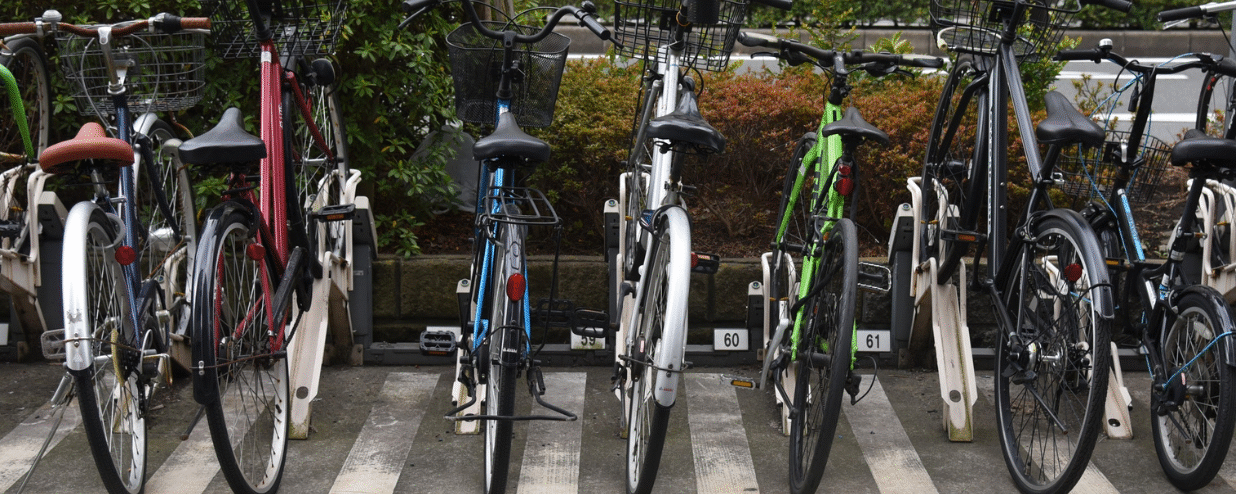

Though Japan has an excellent public transportation system, buying a bicycle in Japan can sometimes be more convenient than hopping on a train or bus, but did you know that you can’t just buy a bicycle in Japan? After you buy it, you need to register your bicycle. The process is a bit more complicated than that. Of course, it’s not so hard that you’ll be pulling your hair out over it. There are just a couple of steps you have to take. This guide will be going over what you should be doing if you’d like to get a bike for yourself.
If you want a more complete guide about bikes in Japan, check out our blog on a beginner’s guide to bicycles in Tokyo!
Why Do I Have to Register My Bicycle in Japan?
In Japan, all bicycles must be registered, whether they are brand new or purchased secondhand. Bicycle registration is similar to vehicle registration: it links the bike to its owner in a police database.
This system exists because bicycles are considered personal property in Japan, and bicycle theft remains one of the most common types of theft in the country. In fact, according to the National Police Agency (NPA), bicycle theft accounted for around 170,000 of the 513,000 reported theft cases in Japan in 2025—meaning nearly one out of every three reported thefts involved a bicycle.
If you are stopped by the police, for example, for violating cycling rules or during a routine bicycle check, you may be asked to prove that the bicycle belongs to you. If you cannot provide proof of ownership or the bicycle is not properly registered, the police may suspect that the bike is stolen and investigate further.
Although the registration process may seem like an extra step, it is mandatory. Riding an unregistered bicycle can lead to unnecessary trouble, and the police may confiscate a bicycle that does not have a valid registration sticker or cannot be linked to its rightful owner.
Registering and Buying a Bike in Japan
In general, when getting a bicycle in Japan, you will have to register your bicycle in a process known as 自転車 防犯登録 (jitensha bouhan touroku). Depending on how you got the bicycle, the way you go about registering it is going to be a little different. There are 2 different ways you could get a bicycle:
- Purchase it new
- Purchase it used
Registering a New Bike on a Store
If you were to purchase a bicycle new from a store, the process is much simpler, especially if you buy it in a brick-and-mortar store. Even stores like Don Quijote have a section that sells bikes and staff who will help you register it.
You will simply need to bring along an extra 500 JPY as well as any valid ID. If you are a foreigner, in most cases, this will be your zairyuu card (residence card), student ID, My Number card, or, more recently, the tokutei zairyuu card that combines both your residence and My Number card.
Upon purchase, you will have to fill out a form with your general information (address, phone number, registration number of bicycle). They will then pass on the information to the police and give you a registration sticker for your bicycle. This is the most straightforward process and the least amount of trouble.
You’ll have to put the registration sticker on your bike.
Registering a Bike in Japan You Bought Online
Buying a bicycle online means you’ll need to handle the registration yourself. Unlike purchasing from a physical bike shop, where the staff will usually complete the registration for you on the spot, you’ll need to take your bicycle registration form and proof of purchase (such as your receipt) to your local police station or authorized bicycle registration center to complete the process yourself.
You can say to the them:
ネットでこの自転車を購入したので、防犯登録をお願いしたいのですが。」
Netto de kono jitensha o kounyuu shita node, bouhan touroku o onegai shitai no desu ga.
I bought this bicycle online, and I’d like to register it.
Unless you already know a lot about bicycles and have a clear idea of the type and size you want, we generally don’t recommend buying a bike online. Bicycles in Japan come in a variety of frame sizes and wheel sizes, so it’s helpful to see them in person and even test ride them before making a purchase.
One advantage of ordering online is convenience. Many retailers offer home delivery, so you won’t have to ride your new bicycle home!
Registering a Secondhand or Used Bike in Japan
Buying a used bicycle help you save money (secondhand bikes often costing around half the price of a new city bike in Japan), but because the bicycle is still registered under the previous owner’s name, you’ll need to complete an ownership transfer to legally ride it.
The process is similar to registering a new bicycle: you’ll need to complete a bicycle registration form and submit it to the police or an authorized bicycle registration center. In addition, both you and the previous owner must complete and sign a bicycle transfer of ownership form. This document confirms that ownership has been legally transferred and allows the registration to be updated.
Here is a list of what you need to bring:
- Bicycle to register
- Government ID (residents card)
- 500 yen
- Previous owner’s registration form or filled out transfer certificate form
When you go to the store or police station, you can say:
中古の自転車を買ったので、防犯登録をしたいです。
Chuuko no jitensha o katta node, bouhan touroku o shitai desu.
I bought a used bicycle and would like to register it.
If you are the one trying to transfer the ownership of your bike to another person, you can say:
If you are transferring ownership:
名義変更をしたいです。
Meigi henkou shitai desu.
I would like to change the registered owner.
This extra step applies when you buy a bicycle directly from another person, such as through Mercari or a private sale. If you purchase a used bicycle from a secondhand store, the process is usually much easier, as the shop will typically handle the ownership transfer and registration paperwork for you. You generally do not need to contact the previous owner yourself, since the store will have already completed the necessary procedures before putting the bicycle up for sale.
If you live in Tokyo, you can download both the bicycle registration form and the transfer of ownership certificate directly from the Tokyo bicycle registration website.
Vocabulary Related to Bike Registration and Bicycle in Japan
Registering a bicycle in Japan can be confusing, especially if you are unfamiliar with the Japanese terms used during the process. Whether you are buying a new bicycle, transferring ownership of a used one, or visiting a bicycle shop for registration, knowing a few key words and phrases can make the process much easier.
| Japanese | Romaji | English |
|---|---|---|
| 自転車 | jitensha | Bicycle |
| 中古自転車 | chuuko jitensha | Used bicycle / secondhand bicycle |
| 新しい自転車 | atarashii jitensha | New bicycle |
| 防犯登録 | bouhan touroku | Bicycle theft prevention registration |
| 防犯登録証 | bouhan touroku-shou | Bicycle registration certificate |
| 登録番号 | touroku bangou | Registration number |
| 登録シール | touroku shiiru | Registration sticker |
| 名義変更 | meigi henkou | Change of ownership / transfer of registered owner |
| 所有者 | shoyuusha | Owner |
| 前の所有者 | mae no shoyūsha | Previous owner |
| 譲渡 | joutou | Transfer (of ownership) |
| 譲渡証明書 | joutou shoumeisho | Transfer of ownership certificate |
| 購入証明書 | kounyuu shoumeisho | Proof of purchase |
| 身分証明書 | mibun shoumeisho | Identification document |
| 在留カード | zairyuu kaado | Residence card |
| 住所 | juusho | Address |
| 電話番号 | denwa bangou | Phone number |
| 警察署 | keisatsu-sho | Police station |
| 自転車店 | jitensha-ten | Bicycle shop |
| 手続き | tetsuzuki | Procedure / paperwork |
| 申請する | shinsei suru | To apply / submit an application |
Should You Also Get a Bicycle Insurance in Japan?
In Japan, bicycle insurance is actually mandatory (including Tokyo). Unlike bicycle registration, which proves ownership of your bike, bicycle insurance is designed to cover damages or injuries you may cause to other people while riding.
When you purchase a bicycle, some bike shops may offer insurance options at the same time as registration, but you can also purchase bicycle insurance separately through insurance companies, convenience stores, or as an add-on to existing insurance policies such as personal liability insurance.
The great news is that bicycle insurance in Japan is generally inexpensive compared to other types of insurance. The cost depends on the provider and coverage, but most plans are around ¥1,000–¥5,000 per year (roughly ¥80–¥400 per month).
The Other Option for Getting a Bicycle in Japan
If you’re just temporarily staying in Japan, yet you still want/need a bike, there’s another option available to you. You could rent one. Rental bicycles in Japan are a cheap and convenient way to get around if you don’t want to walk. What’s best about them is that there are a lot of them, so you can rely on them to get around. They’re usually located at train stations, and also at a lot of tourist locations. Depending on where you stay, your hotel may have rental bicycles on offer. Some even offer them free.
At max, you’re typically going to be able to rent them for the entire day at about ¥1,00, though you could just rent them per hour. Nowadays there are even some rentals that rent out electric bicycle! For an increased cost, of course, but the option is nice to have. If you’re looking for a cheap way to get around in some of the smaller towns, this is perfect.
Bicycle Rules and Laws in Japan
Japan has a lot of bicyclists, so naturally, they have a lot of guidelines and laws to follow. Here are some of the most important ones you should know about. A lot of them aren’t very strictly enforced, so you can bend the rules just a bit if needed, but try not to break the law.
1. Keep Left When Cycling
Always keep to the left when cycling. This includes while on a sidewalk and while on the road. There are sometimes designated bicycle lanes on the road to follow, but if not, then keep left. Generally, you want to stay on the left lane because it follows the direction of traffic.
While this is an official rule (based on the Road Traffic Law), you may still see people who ride their bicycle in Japan in the opposite direction. Still, a lot of cyclists tend to get into a road accident because of this, so it’s just better to keep left and avoid injuring yourself.
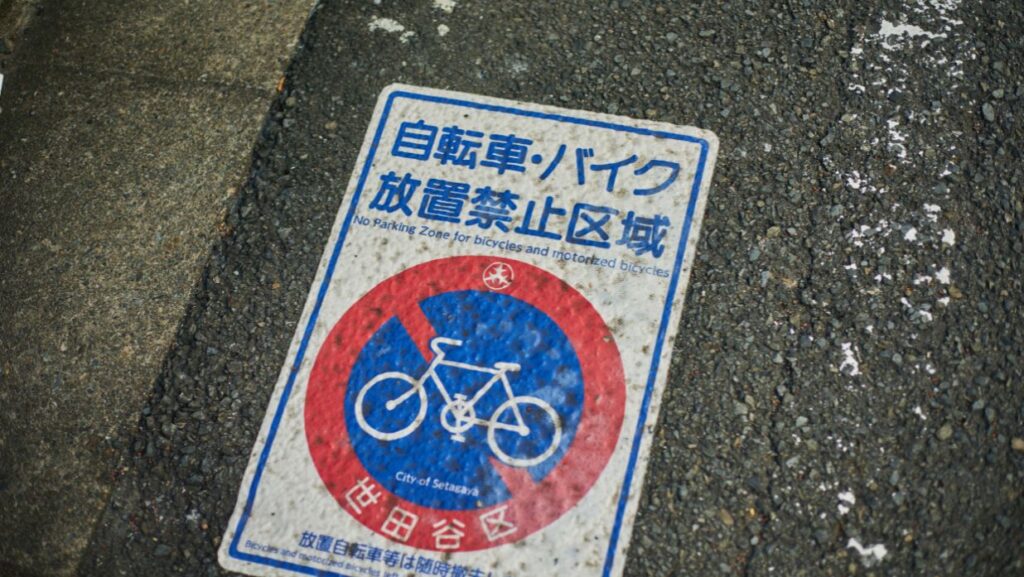
2. Don’t Park Your Bicycle Illegally
Common sense. Don’t just leave your bike anywhere, because it can get impounded. This wastes a lot of your time and money to retrieve it, so just find a parking lot and you’ll be fine.
3. Don’t Ride Without a Light
Usually, bicycles in Japan comes with their own night light. Some of them might be powered by a battery and will turn on automatically when it gets dark. Regardless, make sure that your bike’s front lights are on when you ride them at night. If it’s broken or doesn’t come with the bicycle, get it immediately. Make sure they work properly. You should also have a reflector in the back and a bell. While some other laws are pretty lax, this is one that is regularly enforced.
You can get stopped at night by police if they see you without a front light. The bell is not as important, but it’s good to have one.
3. Don’t Drink and Ride
Don’t drink and drive and don’t drink and ride. Simple as that. This is a law that is heavily enforced. If discovered drinking and riding, you may get a fine of up to 1 million yen or imprisonment for up to 5 years. It’s not worth the risk. Just call a taxi or walk home with your bicycle.
Of course, this isn’t just limited to alcohol consumption. Don’t drink and eat and ride because it’s dangerous. Holding something while you’re steering the bike may cause you to lose balance.
4. No Headphones While Riding a Bicycle in Japan
Dn’t use any electronics while riding, such as listening to music with your headphones or playing with your phone. The general rule of thumb is to keep both hands on your bike.
5. Don’t Hold an Umbrella
When it rains, a lot of cyclists are tempted to dash through the downpour while holding an umbrella to prevent getting themselves wet, but this is dangerous, especially when it gets windy. Riding with one hand — while the other is holding an umbrella — when the weather gets bad can easily mess up with your balance.
6. Don’t Double Ride or Ride Side by Side
When you’re with your friends, you might be tempted to ride side-by-side with them to talk. Pro tip: don’t. This takes up space on the road and may block cars or pedestrians. Avoid being a public nuisance and ride in a neat line.
The same goes for hitching someone. Say you were riding a bike and met your friend who was walking. While offering a ride on a motorcycle or car is legal, bicycles are different. It’s not designed to accommodate two or three people (with the exception of mamachari, a bike used by Japanese moms with one or two child seats).
Specific Bicycle Signs in Japan
There are certain bicycle-specific signs you should know. Unless stated otherwise, you should not be cycling on sidewalks, especially not on busy ones. You will know if you can ride your bike on one if they have this sign.
If there is no bicycle on the sign, then that pathway is for pedestrians only. If you’re on a bike while entering one of these pathways, dismount it and walk alongside it.
In most cases, you should not ride your bicycle in Japan in an under or overpass or on the freeway. You will know if you cannot ride as it will be indicated by this sign
This just means bicycles are forbidden from entering this area.
While not bike-specific, this is one that you must adhere to on a bike just as you would a car.
This is Japan’s stop sign, 止まれ (tomare) meaning stop. Treat this just as you would if you were driving a car.
Ready to Start Your Life in Japan?
Getting a bicycle is just one of the many steps involved in settling into life in Japan. From registering your bike and finding the right insurance to understanding local rules and daily customs, small preparations can make your experience much smoother.
If you’re planning to study Japanese in Japan, finding the right language school is another important step. With so many schools, courses, and locations to choose from, it can be difficult to know where to start.
Coto School Finder helps you compare Japanese language schools across Japan and find a program that matches your goals, schedule, and budget. Whether you want to improve your Japanese for daily life, prepare for the JLPT, or study in Japan long-term, our free service makes it easier to find the right school for you.
Start your search today and take the next step toward your Japanese journey.
FAQ
Do I need to register my bicycle in Japan?
Yes. All bicycles in Japan must be registered with the police through a system called bicycle crime prevention registration (自転車防犯登録). This registration links the bicycle to its owner and helps prevent theft. You may be asked to show proof of ownership if you are stopped by the police.
Can I buy a used bicycle in Japan?
Yes, buying a used bicycle is common in Japan and can be much cheaper than buying a new one. However, if you buy a bicycle directly from another person, such as through Mercari, you will need to complete an ownership transfer process. If you buy from a secondhand bicycle shop, the store will usually handle the necessary paperwork for you.
Do I need bicycle insurance in Japan?
In many areas of Japan, including Tokyo, bicycle insurance is required. Bicycle insurance mainly covers damages or injuries you may cause to other people while riding. Basic plans are usually affordable, costing around ¥1,000–¥5,000 per year depending on the provider and coverage.
Do I need a bicycle if I live in Japan?
Not necessarily. Japan has excellent public transportation, especially in major cities like Tokyo, so many people live comfortably without a bicycle. However, owning a bicycle can make daily life more convenient, especially for short trips, grocery shopping, and exploring your neighborhood.