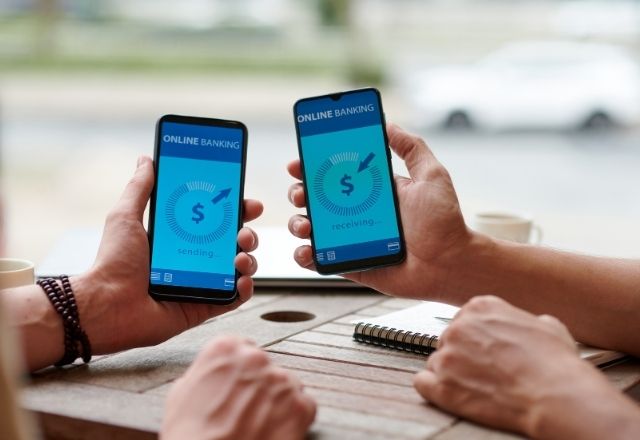
What is the easiest and most cost-effective way to send money to Japan? Deciding to move to Japan can be an exciting life change, but navigating the financial logistics can be one of the most complex parts of the process. Whether you are preparing to study in Japan or planning to enroll in a language school there, you will likely need to manage international money transfers to pay tuition, secure housing, and cover initial living expenses.
Part of the biggest problem is the transfer fee; the second is the complexity of sending money in Japan compared with sending it from a local Japanese bank account to another through the ATM. This guide provides a formal overview of the best ways to make international remittances, from the banking options available to foreign residents and the legal requirements you need to know.
Preparing Your Transfer: Opening a Bank Account
The cost of studying in Japan can be expensive. If you are coming to Japan as a student at a Japanese language school, immigration typically requires proof of financial stability. For those applying for a student visa, you must generally demonstrate that you have access to at least 2,000,000 to 2,500,000 yen to cover one year of tuition and living costs.

To receive money from outside Japan, you will, of course, need to open a bank account or have a designated recipient. Fortunately, one of the first things you do after arriving is open a bank account. If you are attending a Japanese language school or university, the admissions team will likely help you get settled and guide you through the process.
You will need several documents to open a bank account and receive international transfers:
- Residence Card (Zairyu Card): Most banks require proof of at least six months in Japan, though some “English-friendly” options are more flexible.
- My Number (Individual Number): Since 2016, providing your ‘My number’ is a legal requirement for sending or receiving overseas remittances through banks and services like Western Union.
- Registered Seal (Inkan/Hanko): While many modern banks accept signatures, some traditional institutions still require a registered seal for certain transactions.
It may be different if, for example, you want to pay your tuition directly to your school. If your parents are your financial sponsors and are handling the tuition payments, try consulting your school to see whether they accept direct international bank transfers.
Top Banking Options to Send Money to Japan for International Students and Expats
Japan’s banking system includes massive ‘megabanks,’ regional banks, and newer online providers. For those who do not yet speak fluent Japanese, choosing an English-friendly bank to send money to Japan is a top priority.
1. Japan Post Bank
Japan Post Bank (JP Bank), also known as ゆうちょ銀行 (Yuucho Ginkou), is often the first choice for students and other foreigners in Japan. It offers a relatively simple application process and an extensive nationwide ATM network. More importantly, while many other Japanese banks require foreigners to reside in Japan for at least six months before opening an account, Japan Post Bank typically allows you to open one shortly after arrival.
The only downside is that withdrawal and transfer fees can be slightly higher than those of other banks. We recommend that if you are withdrawing funds from this account, do so on a weekday afternoon (weekends and late nights are more expensive) and in bulk.
2. SBI Shinsei Bank
We recommend SBI Shinsei Bank for expats for its comprehensive English-language online banking and competitive foreign-currency products. The great thing is that withdrawing money from this bank is cheaper, and sometimes free (depending on the ATM).
3. Sony Bank
Sony Bank is an online-first bank with a user-friendly English interface that specializes in foreign currency savings and international remittances.
4. Rakuten Bank
Rakuten Bank is a great digital option for those already integrated into the Rakuten ecosystem, offering low-cost online services.
Traditional Bank Transfers (Furikomi)
While it is possible to make an international money transfer from a foreign bank to a local Japanese bank account, we don’t really recommend it, as it can be expensive. International remittance is already expensive on its own, but bank transfers often have poor exchange rates, high fees, and slower transfer times. Some banks impose a 4-5% fee.

Seven Bank offers convenient 24/7 remittance services via ATMs located in 7-Eleven stores, specifically useful for transfers to countries like the Philippines and China.
If you need to transfer money within Japan, you will likely use the furikomi system via an ATM.
- Access the Menu: Look for お振り込み (ofurikomi) or ご送金 (gosoukin).
- Recipient Details: You must specify the bank, branch name, and account type (usually futsuu for regular savings).
- Katakana Input: Be prepared to enter recipient names in katakana, as many systems do not support English letters.
To send money to Japan through a traditional bank transfer is often the first option people consider, since it doesn’t require any additional setup if you already have a bank account. However, we recommend using transfer apps or specialized money transfer services to help keep costs down, especially if you’re sending thousands of dollars for tuition, where fees can quickly add up!
Specialist Transfer Services to Send Money to Japan
For many, specialist providers offer better exchange rates and lower fees than traditional banks.
1. Wise (formerly TransferWise)
Probably the most well-known money transfer app — and well-loved for good reason — Wise is known for using the mid-market exchange rate and offering transparent fee structures.
For example, while some banks may charge around 4% of the transfer amount, Wise’s fees start from as low as 0.33% for major currencies, plus a small fixed fee. Transfer times are also relatively fast, depending on the currency and payment method.
Transferring via Wise is straightforward. You think of it as an intermediary between you and the recipient’s bank. In the app, you simply register the recipient’s bank account details (Wise is compatible with most major banks in supported countries). Then, you fund your transfer using Apple Pay, a credit or debit card, or a local bank transfer to Wise’s account in your country. You generally don’t need to link your bank account directly to Wise (unless you’re sending money from Canada or the United States).
2. GoRemit
Operated by SBI Shinsei Bank, GoRemit is a popular choice for larger transfers, though users should compare the exchange commission against flat fees for the best value.
3. PayPal
Another popular option for international money transfers is PayPal, which allows you to send money to people in more than 110 countries. If the recipient already has a PayPal account, transfers can be completed quickly.
For added flexibility, you can choose from several delivery options. Through Xoom, a PayPal service, you can send money for cash pickup, transfer funds directly to bank accounts, or send to mobile wallets. Xoom even allows you to send money to someone who doesn’t have a PayPal account.
That said, convenience comes at a cost. PayPal typically charges between 3–5% for standard international transfers, and transfer limits may be lower compared to some specialized money transfer services.
Pulling Money From an International Bank Account
This may not be the most economical option, but it is certainly one of the easiest. You can withdraw Japanese yen directly from an international bank account (a bank account outside Japan) using your debit card.

For example, your family can transfer money to your bank account in your home country. As long as you have your debit card with you in Japan, you can withdraw cash in yen from compatible ATMs. Keep in mind that you may be charged foreign transaction fees, ATM withdrawal fees, and potentially unfavorable exchange rates, so it’s important to check your bank’s international fee structure beforehand!
Legal and Tax Considerations
Understanding Japan’s tax landscape is vital to avoid unexpected penalties when moving large sums of money.
- Anti-Money Laundering (AML) Regulations: Transfers exceeding 1,000,000 yen often trigger bank inquiries regarding the source and purpose of the funds.
- Reporting Thresholds: Any transfer involving 30,000,000 yen or more must be reported to the Ministry of Finance or the Bank of Japan.
- Self-Transfers: Moving your own savings from an overseas account to your Japanese account is generally non-taxable as it is a relocation of assets. However, if you have non-Japanese-sourced income in the same year, these funds might be scrutinized.
- Visa Fee Updates: Be aware that Japan is proposing significant increases to visa renewal and status change fees (up to 100,000 yen) starting in fiscal 2026, which may impact your long-term budgeting.
Essential Tips to Send Money to Japan
- Keep Clear Documentation: Always retain invoices, housing contracts, and proof of income to support large transfers to your bank.
- Perform Test Runs: For large amounts, send a smaller ‘test’ transfer first to ensure all recipient details are correct.
- Watch Exchange Rates: Use tools like Western Union’s currency converter to monitor the yen’s value and time your transfers accordingly.
- Confirm Fees Early: If you are being sponsored by a company or language school in Japan, confirm who is responsible for wire transfer fees and administrative costs.
Managing your finances is a critical step in your journey to study in Japan. By choosing the right banking partner and understanding the local transfer systems, you can focus more on your studies and less on administrative hurdles.
Are you ready to start your adventure? Coto School Finder provides 100% free support to help you find the perfect school and handle your student visa application. If you’re looking for flexible, conversation-focused lessons while you settle in, explore the courses at Coto Academy in Tokyo or Yokohama!
FAQ
What is the best bank for foreigners in Japan?
While there is no single ‘best’ bank, SBI Shinsei Bank, Sony Bank, and Japan Post Bank are frequently recommended for their English-language support and accessibility for new residents.
Can I send money to Japan before I arrive?
How much does it cost to study in Japan?
Tuition for a one-year language program typically averages between 800,000 and 1,000,000 yen. Monthly living expenses, including rent and utilities, are estimated at approximately 120,000 yen in Tokyo, though this can be significantly lower in regional cities.
Are there limits on how much money I can send?
Yes, transfer limits vary by service. For instance, Seven Bank and Western Union typically have a limit of 1,000,000 yen per transfer. Additionally, any transfer of 30,000,000 yen or more must be officially reported to the Bank of Japan.