If you’ve always dreamed of studying in Japan, it’s completely natural to wonder whether you’re starting too early — or too late. Is there such a thing as an age requirement to apply for a student visa? Whether you’re a high school graduate, a working professional, or even retired, the reassuring truth is: for most people, it’s neither.
There’s no strict age limit to studying in Japan. However, the rules can vary by school type (language school, vocational school, or university) and the visa you apply for.
For example, most Japanese language schools require students to be at least 18 years old to qualify for a student visa, while some accept 16–17-year-olds with parental consent. On the other hand, the Coto School Finder team has also helped students in their 30s, 40s, or even 60s successfully come to Japan to learn Japanese or pursue new academic goals!
In this guide, we’ll break down everything you need to know about age requirements to study in Japan, including minimum and maximum ages, visa rules, and tips for applying at any stage of life.
What is The Minimum Age to Study in Japan?
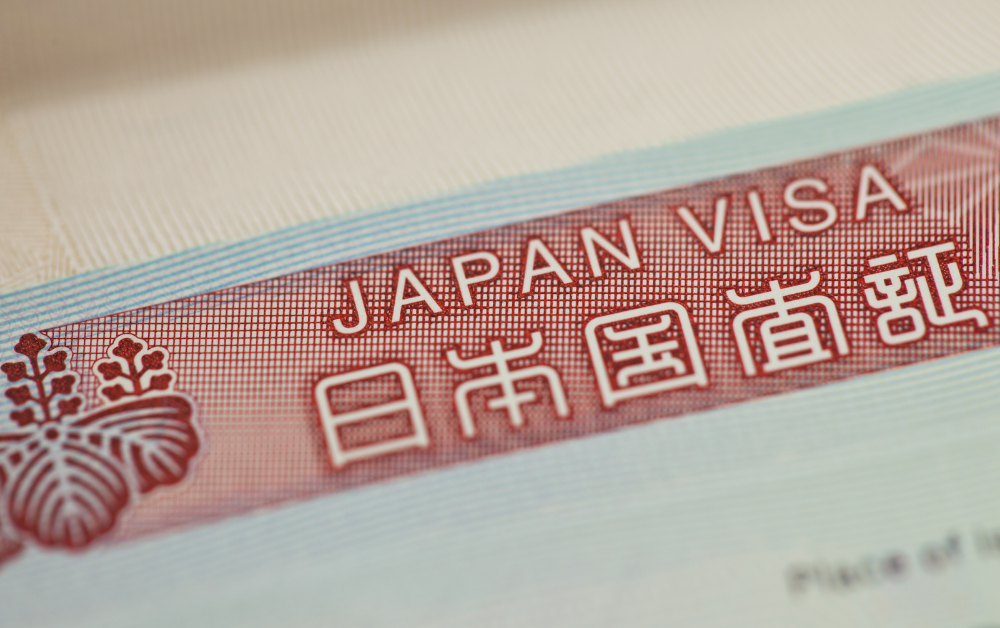
If you’re planning to study in Japan long-term, the minimum age requirement usually depends on the type of institution and the visa you apply for.
For most Japanese language schools, the minimum age is 18 years old. This is because the student visa is designed for those who have already completed high school. You’ll need to provide proof of at least 12 years of education (or the equivalent in your country) when you apply.
That said, there are exceptions. Some schools accept students aged 16 or 17, especially if they have:
- A parent or legal guardian living in Japan, or
- A host family or private accommodation arranged by the school.
If you are under 18 and applying for a student visa to study in Japan, you may need extra documents such as parental consent forms and a financial guarantee letter. Because under 18 is considered a minor in Japan, you may face some restrictions. For example, signing apartment leases, phone contracts, or other legal agreements can be difficult without a parent or legal guarantor.
For short-term study programs or exchange programs, the minimum age can be lower, usually 15 or 16 years old, especially for high school exchanges or cultural immersion courses.
Tip: Even if you’re under 18, you can still join a short-term Japanese course, such as the ones provided by Coto Academy (under 90 days), using a temporary visitor visa, perfect for a study trip or summer program.
At Coto School Finder, we can help you choose the right school and support your application, but please note that we only provide assistance for long-term programs for students who are 18+ or turning 18 soon, as this is required for the student visa process.
Is There a Maximum Age Limit to Study in Japan?

One of the most common questions adult learners ask is: “Am I too old to study in Japan?” Good news: there is no official maximum age limit to study in Japan.
In fact, many schools welcome a diverse student body. It’s not unusual to see classrooms with young adults on a gap year, working professionals changing careers, and retirees studying Japanese as a personal passion. For example, some language schools focus on business Japanese and career preparation, so it’s not surprising that their student demographic consists of mid-career individuals with years of work experience before returning to study.
However, while there is no formal legal age restriction preventing older students from studying in Japan, older applicants, especially those above 30 years old, still encounter certain challenges.
1. Limited school options
Some Japanese language schools do set a “soft” age limit for applicants (often around 30 to 35), but this is usually unwritten and on a case-by-case basis. This is primarily due to immigration scrutiny and risk management.
While the schools themselves may not have a problem with older students, they are under pressure from the Japanese Immigration Services Agency to maintain a high visa approval rate. If a school’s visa applications are frequently rejected, it can lose its “Good School” (適正校, tekiseikou) status, which makes the application process much harder for all its future students.
Many language schools have a primary goal of funneling students into Japanese universities or vocational schools, so some may be hesitant to accept older students who do not align with their curriculum.
2. Immigration scrutiny
There is an unofficial “5-year rule” for older students who want to study Japanese in Japan. Traditionally, immigration was stricter with applicants who had been out of school for more than 5 years.
Why? Immigration is suspicious of anyone who has been out of school for a long time. For a 20-year-old, the path is clear: they finished high school and want to learn Japanese. For a 35-year-old, immigration asks: “Why now? Why wasn’t this done 10 years ago?”
This has softened recently, but if you are over 30, you may need to provide a more detailed “Statement of Purpose” explaining why you need Japanese for your career.
If the school feels your “Statement of Purpose” isn’t strong enough to satisfy an immigration officer, they may reject your application to protect their own success rate.
What matters most is your motivation and your ability to support yourself during your stay. For older applicants, immigration might look for:
- A clear study purpose (career, personal project, cultural interest)
- Proof of financial stability
- A well-explained gap in studies, if applicable
At Coto School Finder, we regularly support applicants from their 20s to 30s, 40s, and above. As long as you have strong motivation and the required documents, you can absolutely apply for a student visa; age is not a barrier. We can help you navigate this process. If you are interested, contact us to get application support.
Note: At School Finder, we support long-term applications (student visa) for students aged 18+ or turning 18 soon.
Can I Study in Japan if I am 40 years Old or Older?
Yes, you can. While most students in Japanese language schools are in their early 20s, there is no official upper age limit set by the Japanese government. However, the path for a mature student involves a few extra considerations.
If you are applying for a Student Visa (for stays longer than 3 months), immigration officers may look more closely at your application. They want to ensure you are a genuine student and not using the visa as a “backdoor” for illegal work.
The best way to work around this is to provide a great Statement of Purpose (for example, explain why learning Japanese is important at this stage of your life) and show proof of at least 150 hours of prior Japanese study. This strongly signals to immigration that your intent is serious.
Thankfully, the team at Coto School Finder has successfully helped students in their 50s and 60s join Japanese language schools. Our team is here to guide you through the visa process, school selection, and everything in between.
Contact us at Coto School Finder to get started!
Age Requirements by Type of Institution in Japan

Age requirements can vary depending on the type of school or program you choose. Here’s a simple breakdown to help you understand what to expect before applying to study in Japan.
1. Japanese Language Schools (Nihongo Gakkō)
- Typical age range: 18+
- These schools form the majority of long-term study options in Japan.
- Many accept students well into their 30s, 40s, 50s, and older.
2. Vocational Schools (Senmon Gakkō)
- Typical age range: 18–30 (but not strict)
- Applicants must have completed 12 years of education.
- Older applicants are accepted as long as they can explain their goals clearly and meet academic prerequisites.
3. Universities in Japan
- Undergraduate programs: 18+
- Graduate/Master’s/PhD programs: No upper age limit
- Admissions depend more on academic background, language ability (JLPT/EJU), and motivation than age.
4. High School or Youth Exchange Programs
- Typical age range: 15–18
- These programs are designed specifically for younger learners and often include homestay arrangements.
- Student visas for minors require additional documents like parental consent.
5. Short-Term Courses (Up to 90 Days)
- Age limit: None
- Ideal for adults, retirees, or travelers who want to improve their Japanese without applying for a long-term visa.
- These programs run under a temporary visitor visa, making them flexible and accessible.
Overall, Japan offers opportunities for learners at every stage of life. The key difference lies in the visa requirements and school policies, not your age.
Final Thoughts
So, is there an age requirement to study in Japan? Not really — at least, not in the way most people think.
While some programs require you to be 18 or older for a student visa, Japan remains one of the most welcoming study destinations for learners of all ages. Whether you’re a recent high school graduate, a professional looking for a new direction, or someone who simply dreams of experiencing life in Japan, there’s a program that can fit your goals.
What truly matters is:
- Your motivation
- Your preparation
- The documents you submit
- And choosing the right school for your situation
Let Us Help You With Your Japanese Study Application!
At Coto School Finder, we assist students aged 18+ in finding the best Japanese language school or long-term program, and guide you step-by-step through the entire application and visa process.
Japan is ready to welcome you at any age. Your journey starts with one simple step!
Can I study in Japan at 30 or older?
Yes! Many language schools accept students well into their 40s, 50s, and beyond — just be ready to explain your goals clearly.
What is the minimum age for a Japanese student visa?
Usually 18 years old. Some schools can support applications for students aged 16–17 with guardian consent.
Are there special programs for senior learners in Japan?
Yes, several private schools and cultural centers offer short-term or part-time Japanese courses for retirees.
Can I study in Japan without a high school diploma?
For long-term visas, a completed 12-year education is required. For short-term study, some schools are flexible.
What is the 5-year rule in Japanese immigration?
In the context of Japanese student visas, the “5-Year Rule” is an informal guideline used by Japanese Immigration to assess the risk of an applicant. The 5-year rule refers to the period of time between your last graduation (high school or university) and the date of your application to study in Japan