If you are planning to study in Japan, you are about to meet the new snack you’ll be obsessed with, the onigiri. These convenient, affordable, and delicious rice balls are the backbone of Japanese soul food and the perfect quick lunch for a busy student if you’re studying at a language school in Japan.
Often called omusubi, these treats have been around since ancient times, providing a portable meal for everyone. While they might look like sushi, onigiri is actually different because the rice is seasoned with salt rather than rice vinegar.
Whether you are grabbing one at a konbini (convenience store) for ¥100 to ¥200 or making them at home, here is your guide to the absolute best onigiri flavors in Japan. If you’re just starting to learn the language, check out our guide to 100 basic Japanese words to help you read the labels!
The Classics: ‘The Big Three’ Onigiri Flavors In Japan
If you are new to the world of onigiri, these are the heavy hitters you will find at every 7-Eleven, Lawson, and Family Mart.
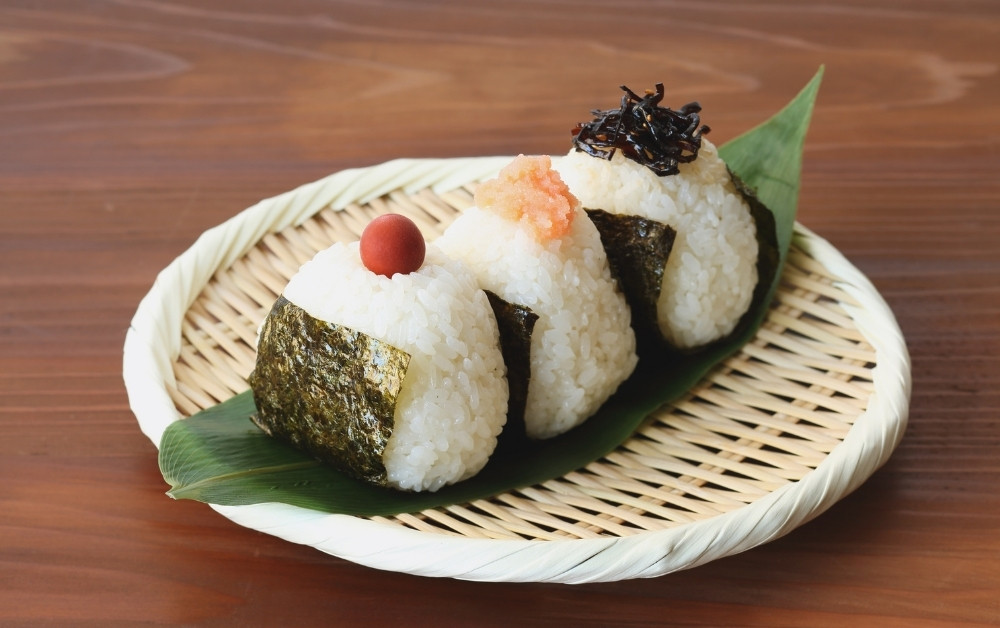
- Shake (Salmon): Consistently ranked as the most popular filling in Japan, grilled salmon flakes provide a salty, savory kick that pairs perfectly with fluffy white rice.
- Tuna Mayo: Often called ‘Sea Chicken,’ this modern favorite is dangerously addictive thanks to the rich, creamy Japanese mayonnaise. It is the perfect ‘safe bet’ for beginners.
- Umeboshi (Pickled Plum): A traditional staple with an intense sour and salty flavor. It is an acquired taste, but locals love it for its antibacterial properties, which help keep the rice fresh in a bento box.
Next-Level Favorites Onigiri Flavors
Ready to be a bit more adventurous? These flavors are staples of the Japanese diet and offer deep, umami-packed experiences that are great for practicing your Japanese dining etiquette with!
- Mentaiko & Tarako (Cod Roe): Tarako is salted cod roe, while Mentaiko is the spicy version. Both have a distinct ‘ocean’ and salty taste, as well as a fun, grainy texture.
- Kombu (Simmered Kelp): Strips of kelp simmered in soy sauce and mirin. It is sweet, savory, and a great vegetarian-friendly option.
- Okaka (Bonito Flakes): Smoky dried fish shavings seasoned with soy sauce. It is a simple, healthy, and deeply traditional choice.
- Ebi Mayo (Shrimp Mayonnaise): Pieces of shrimp tossed in creamy mayonnaise are a modern favorite, offering a rich, comforting flavor.
Underrated Onigiri Flavors
While everyone reaches for the salmon, these underrated flavors deserve a spot in your shopping basket. If you’re exploring underrated cities to study Japanese, like Sapporo or Fukuoka, keep an eye out for local variations.
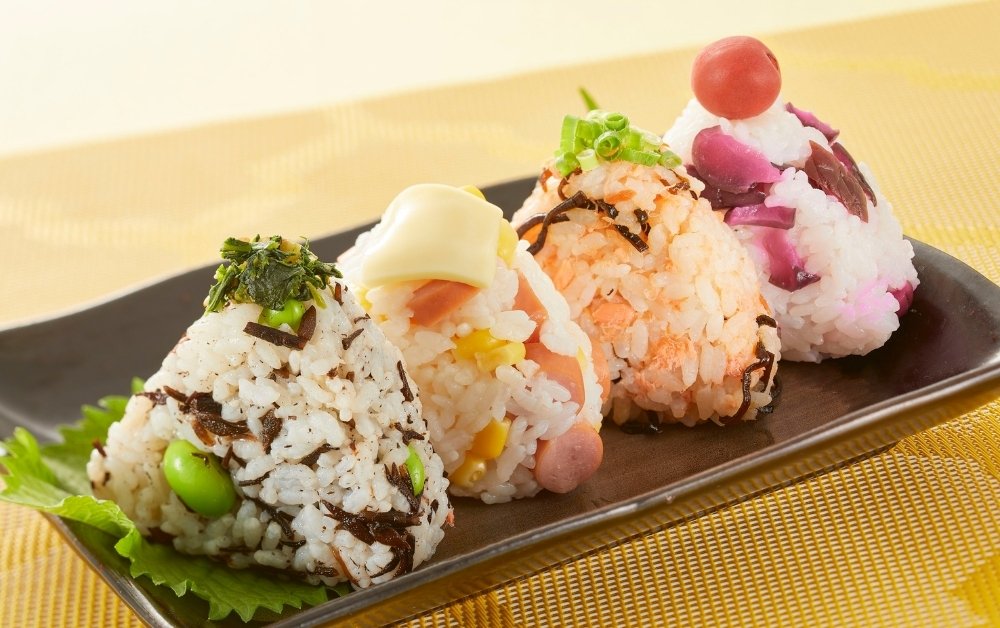
- Wakame Gohan (Seaweed with Rice): Instead of a filling in the center, this onigiri has finely chopped seaweed and toasted sesame seeds mixed throughout the rice.
- Sekihan (Red Bean Rice): Made with glutinous rice and azuki beans, giving it a distinctive red color and a chewy, springy texture. It is traditionally eaten at celebrations such as birthdays or graduations.
- Takikomigohan: Seasoned rice cooked with dashi, soy sauce, and bits of vegetables or chicken, making every bite incredibly flavorful.
- Gyusuji (Beef Tendon): Gyusuji Onigiri, often mixed with konnyaku and green onions, which is cooked until soft, sticky and incredibly savory. This filling offers a decadent, melt-away texture that turns a simple rice ball into a hearty meal.
- Shogayaki Mayo (Ginger Pork Mayonnaise): A savoury rice ball in a ginger soy-glaze mixed with mayonnaise, creating a creamy texture. It can be prepared in both the traditional triangular Onigiri and the onigirazu (Square-Shaped Onigiri).
- Fried Rice: A flavorful twist on the classic rice ball, made by stir-frying rice with ingredients like eggs, spring onions, and savory bits of pork or shrimp. The rice is seasoned with soy sauce and sesame oil before being shaped, ensuring every grain is infused with a rich, smoky “wok-hei” aroma and a satisfying, oily sheen. (AKA. Fried Rice)
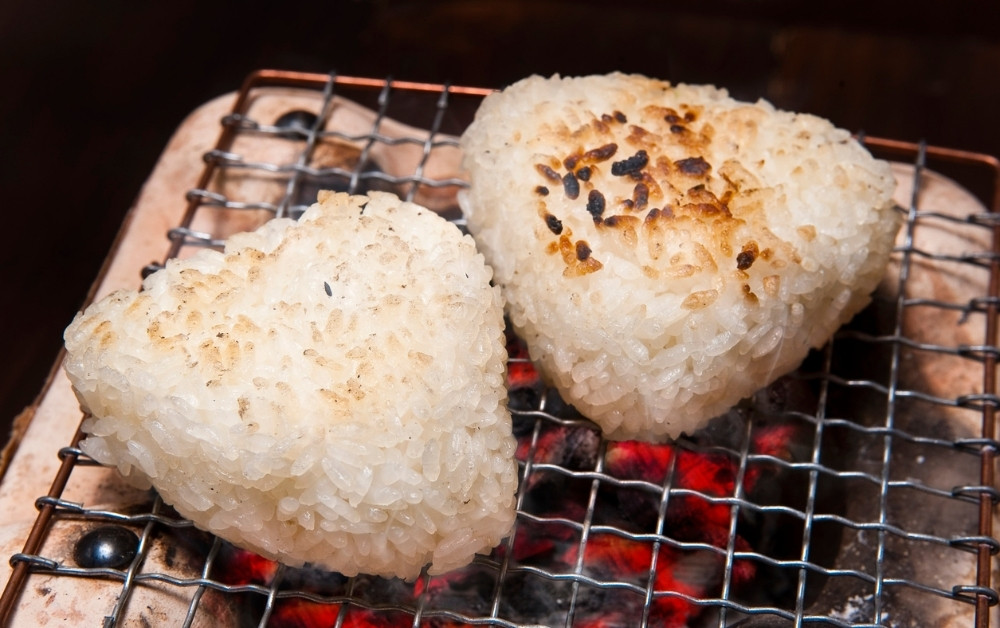
- Yaki Onigiri (Grilled Rice Balls): A simple rice ball brushed with soy sauce or miso and grilled until the exterior develops a golden, crispy crust. This process creates a smoky aroma and a satisfying crunch with the soft, steaming rice inside.
- Curry: Typically made with thick, Japanese-style curry, this onigiri can be filled with rich curry or made with “dry curry” rice mixed with minced meat and vegetables. It offers a comforting, spiced flavor profile that is both filling and aromatic.
Unconventional & Wild Onigiri Flavors In Japan
Konbini chains are constantly innovating, which can be a bit of a culture shock for newcomers, seeing rice balls filled with everything from fried pork to spaghetti.
- Akuma no Onigiri (Devil’s Onigiri): Exclusive to Lawson, this viral snack is filled with tempura batter flakes, green seaweed, and sesame oil. It is named for its ‘evil’ levels of addictiveness.
- Egg Yolk & Soy Sauce: A handheld version of the classic Japanese breakfast, tamago kake gohan. It features a gooey, marinated egg yolk in the center.
- Spam Musubi: A Hawaiian-Japanese fusion featuring a slice of fried spam cooked in a sweet soy sauce, put over rice.
- Omurice Onigiri: Ketchup-flavored fried rice wrapped in a thin layer of omelette.
Hot Tip: How to Open a Konbini Onigiri
If you are at a language school in Japan, you will likely see classmates opening these with ease, but the 1-2-3 plastic wrapping can be tricky for first-timers. This ingenious packaging keeps the seaweed (nori) separated from the rice so it stays crispy.
- Pull the tab (Number 1) down and all the way around.
- Pull off one side (Number 2) gently.
- Pull off the final side (Number 3) while holding the rice. This ingenious packaging keeps the seaweed (nori) separated from the rice so it stays crispy and fresh until the moment you eat it!
Don’t forget to say “Itadakimasu“ before your first bite!
Conclusion: Fuel Your Journey and Study In Japan
Exploring the endless varieties of onigiri is just one of the many joys of living in Japan. Whether you are studying for the JLPT N5 or just exploring the city, these rice balls are the perfect fuel. Ready to start your own adventure? Coto School Finder offers 100% free support to help you find the perfect Japanese language school and handle your student visa application. If you’re looking for short-term, conversation-focused lessons, check out Coto Academy in Tokyo or Yokohama.
FAQ
What is the most popular onigiri flavor?
Tuna mayo and salmon are the top-selling and most popular flavors across Japan.
Are onigiri healthy?
It depends on the filling! Options like salmon, chicken, and vegetables, or kombu are healthier than those with heavy mayonnaise or fried ingredients.
Should you eat onigiri hot or cold?
Most are delicious cold, but some varieties, like yaki (grilled) onigiri or meat-based ones are much better when heated in a microwave.
Can I make them at home?
Yes! Use freshly cooked rice and wet your hands with salt water to prevent sticking, or use a plastic mold to get that perfect triangle shape.
For a cultural twist, try making some during spring festivals like Girls’ Day (Hinamatsuri)