The Japanese New Year is one of the most important holidays in Japan and a highlight of the winter season. Celebrated nationwide, the day features centuries-old traditions with modern festivities, making it a fascinating time for both locals and visitors. Known in Japanese as Shogatsu (正月), the holiday symbolizes renewal, fresh beginnings, and good fortune for the year ahead.
So what can you do on New Year’s Eve in Japan? From traditional to modern celebrations, Japan has no shortage of ways to celebrate this universal holiday. Let us take a look at all the things you need to know about Japan’s New Year!
What is New Year in Japanese?
Did you know that there is technically more than one way to describe the New Year in Japan? The New Year in Japanese is called Shogatsu (正月), which refers to the entire New Year season and all the celebrations that come with it. Ganjitsu (元日) means explicitly New Year’s Day on January 1, while Oshogatsu (お正月) is the more polite and commonly used term you’ll hear in everyday conversation when people talk about the Japanese New Year holiday and its traditions.
If you want to say “happy new year” in Japanese, the most common phrase is “Akemashite omedetou gozaimasu.” Just keep in mind that the wording can change depending on whether you’re saying it before or after the New Year begins!

When is New Year’s & Why is It So Important in Japan?
Shogatsu literally means the first month of the new year, signifying the beginning of the following year. Just like many parts of the world, New Year’s is celebrated on December 31, on the eve of New Year’s Day. Japan has been celebrating New Year’s Day on this date since adopting the Gregorian Calendar in 1873.
New Year’s has always been symbolic of new beginnings and was associated with Toshigami, the deity of the new year who brings good fortune, successful harvests, and prosperity. Before the adoption of the Gregorian calendar, everyone essentially shared the same birthday: New Year’s Day, since everyone would count their age on this day.
New Year’s is a historically significant holiday with many cultural roots and beliefs about granting spirituality and prosperity to people. Rice, an essential food throughout Japan’s history, is customarily eaten on New Year’s Eve. But what are the origins of these customs?
History of New Year’s in Japan
The New Year tradition has its roots in ancient Japan, when it was solely an agrarian society centered on crop cultivation, especially rice. The New Year was thus very strongly associated with the harvests. Toshigami is the god of agriculture and the deity who grants every person Toshidama on New Year’s Day. This literally translates to a “spirit year,” which would add one year to people’s age. This is the actual origin of the otoshidama gift, which is money given to children on New Year’s Day.
So, Toshidama was a spiritual deity who gave people spiritual power, and since rice was a staple crop that provided energy and strength, it was also thought to hold spiritual power. That’s where eating white rice on New Year’s Eve has its origin. By eating rice, you are also welcoming the Toshidama’s spirituality. Even villages that had little capacity to grow rice, such as those in the mountains, would uphold this tradition no matter what it took.
This goes to show the importance of New Year’s and rice in Japanese society, and over time, this tradition has shifted to include more rice-based dishes that are more festive. Eventually, mochi cakes made from pounded rice and traditional dishes such as osechi ryori became popular foods to celebrate the New Year.
Traditional New Year’s Customs in Japan
While New Year’s in Japan has been modernized in many ways, the holiday remains meaningful and rich, with traditions that have been transformed to reflect modern lifestyles. So, what are some lasting New Year’s customs that are still celebrated in Japan?
1. Osechi Ryori
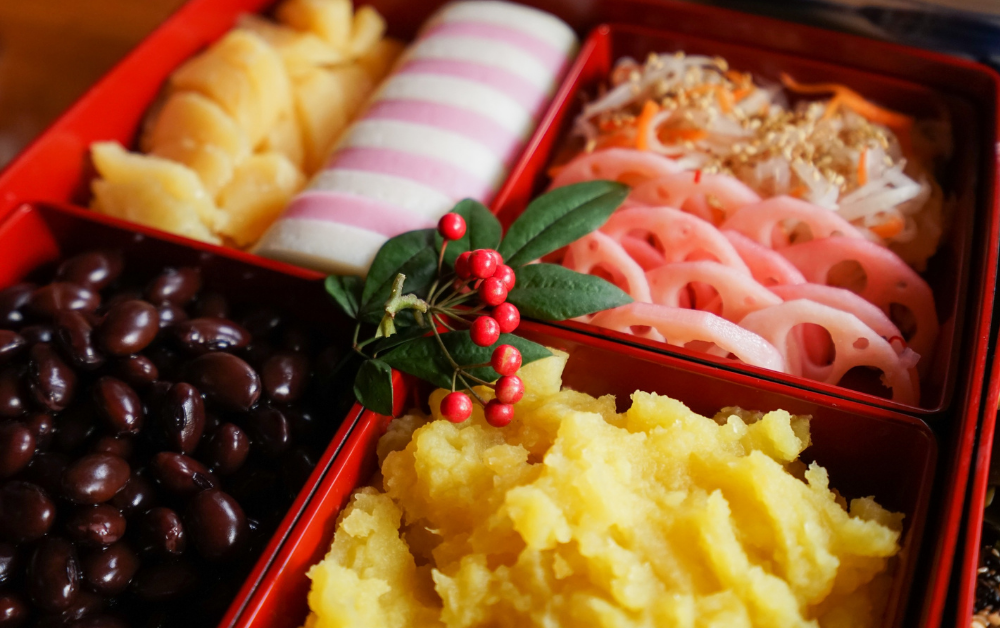
Osechi Ryori (おせち料理) is a special set of traditional foods prepared specifically for the New Year. Traditionally, these dishes are homemade by each family, who likely had their own unique recipes. Still, in this current fast-moving era, you can find osechi-ryori in department or specialty stores. These dishes are typically packed into stacked lacquer boxes called 重箱 (juu bako) and eaten during the first few days of January.
Each dish has a symbolic meaning tied to good fortune, health, and prosperity. Common examples include:
- 黒豆 (Kuromame): symbolizes health and hard work
- 数の子 (Kazunoko): represents fertility and prosperity
- 伊達巻 (Datemaki): associated with knowledge and success
Japan is a nation of manners, and this includes eating its delicious cuisine. Find out what etiquette you need to know to show respect and impress the locals. Read our blog on the top Japanese dining etiquette to know!
2. Mochi, Ozou Ni, & Kagami Mochi
Mochi (餅) has become an essential part of Japanese New Year celebrations. Made from glutinous rice, mochi symbolizes strength, longevity, and good fortune.
One of the most common ways to eat mochi during the New Year is in Ozouni (お雑煮), a traditional soup that varies by region and family. Ingredients may include vegetables, chicken, fish, and mochi, served in either clear broth or a miso base.
Another very popular custom of eating Mochi for New Year’s is to eat it as a dessert called Kagami Mochi. The sweet mochi dish consists of two mochi cakes stacked on top of each other and, depending on the region, often includes a dried persimmon, kelp, or other local ingredients. Usually, they are elegantly decorated and have a traditional piece of paper called shihoubeni at the bottom to symbolize good fortune.
Mochi is one of many dishes enjoyed in different seasons in Japan. Find out how to make different Japanese seasonal foods with our blog: Japanese Seasonal Recipes, A Complete Guide for Every Season
3. Kadomatsu and Shimenawa
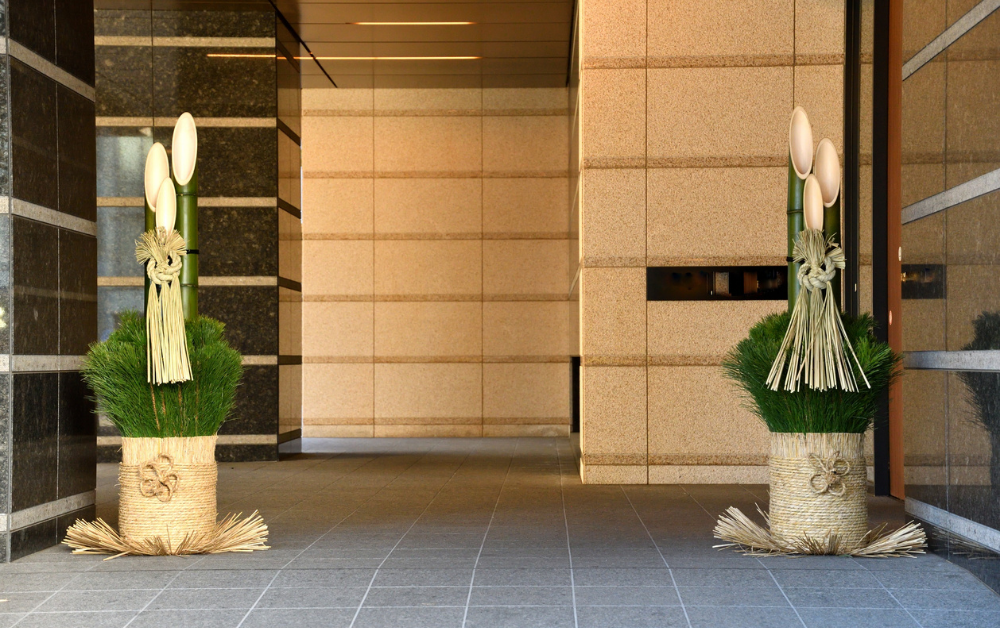
During the New Year season, you’ll see traditional decorations placed at homes, businesses, and shrines. These decorations come from a long history of New Year’s traditions, often to welcome fortune or the Toshigama, the New Year deity. These decorations are usually displayed from late December until around January 7.
Often, you will see these sacred arrangements:
- Kadomatsu: decorative arrangements made from bamboo and pine branches, placed at entrances to welcome the New Year deity.
- Shimenawa: sacred straw ropes often decorated with paper streamers, symbolizing purification and protection from bad luck.
4. Hatsumode
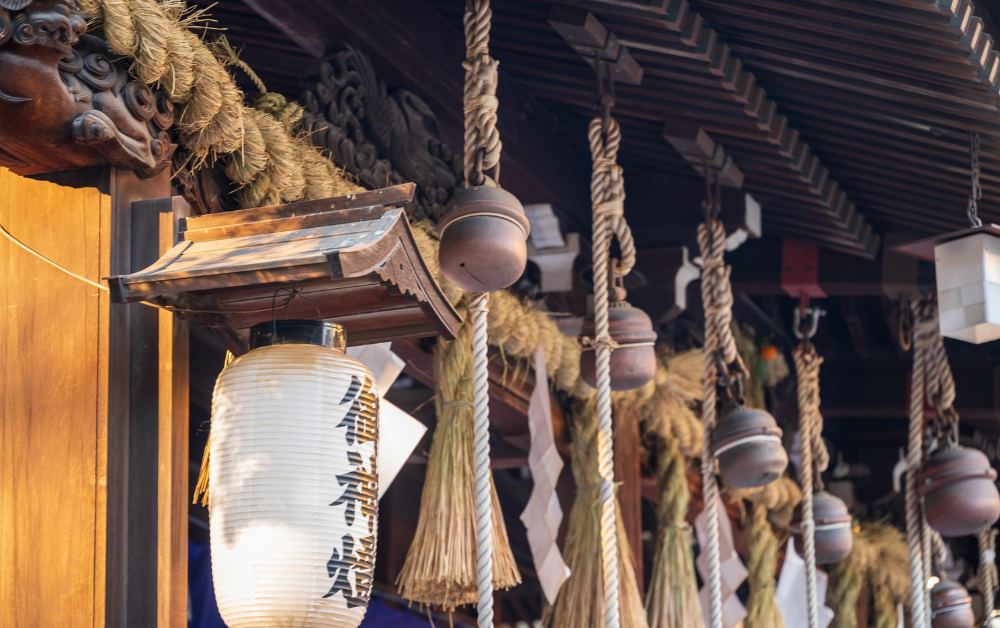
Hatsumode is the tradition of visiting a shrine or temple for the first time in the New Year, usually between January 1 and January 3. People go to pray for health, happiness, success, and safety in the coming year. Major shrines and temples can become extremely crowded during this time, creating a festive and energetic atmosphere.
During hatsumode, some common customs include:
- Drawing Omikuji (おみくじ) or fortune slips.
- Buying new Omori (お守り), which are amulets that provide good luck or fortune.
- Making offerings and prayers for the year ahead
Try visiting a temple this year to get a peek at some ancient Japanese New Year traditions!
Things to Do New Year’s in Japan
In Japan, especially in the megacity of Tokyo, you can find a balance of both traditional and modern ways to celebrate the New Year. So, what are some popular things to do for New Year’s in Japan?
1. Visit a Shrine or Temple for Hatsumode
One of the most popular New Year’s activities is 初詣(はつもうで), the first shrine or temple visit of the year. Many people go right after midnight on January 1 or within the first three days of the New Year to pray for good health, success, and happiness.
Popular temples in Tokyo include:
- Meiji Jingu (明治神宮)
One of Tokyo’s most popular New Year’s destinations, Meiji Shrine attracts millions of visitors each year for hatsumode. Set in a peaceful forested area near Harajuku, the shrine offers a serene start to the New Year and is a meaningful place to pray for health, happiness, and success.
- Senso-ji Temple
Located in Asakusa, Sensoji is Tokyo’s oldest Buddhist temple. It is one of the most popular and lively hatsumode hotspots. Visitors walk through the iconic Kaminarimon and the Nakamise shopping street, lined with stalls selling snacks and souvenirs, before praying at the temple.
- Kanda Myojin
A historic shrine known for blessings related to good luck, success, and protection from misfortune. It’s especially popular among business professionals, students, and tech workers due to its location near Akihabara and Ochanomizu. It offers a lively yet traditional hatsumode experience.
- Tokyo Daijingu
Sometimes called the Ise-sama of Tokyo, this shrine is famous for prayers related to love and relationships. It is a popular spot for hatsumode among couples and young people. It’s one of the city’s most beloved shrines for personal wishes in the new year.
- Zojo-ji Temple
A historic Buddhist temple near Tokyo Tower, Zojo-ji, combines traditional hatsumode prayers with a stunning urban backdrop. The temple often holds New Year bells and prayers. Its striking architecture makes it a meaningful stop for the first visit of the year.
Popular temples outside of Tokyo:
- Chiba: Naritasan Shinshoji Temple
A historic and overwhelmingly popular temple near Narita Airport, known for welcoming millions of visitors during the first few days of the year. The temple complex offers traditional prayer halls and a bustling approach street lined with food stalls, perfect for a festive first visit of the year.
- Kanagawa: Kawasaki Daishi (Heikenji Temple)
One of the most visited temples for hatsumode in the Kanto region. Kawasaki Daishi attracts crowds of over three million each New Year. It’s famed for its long approach street, which sells seasonal snacks and traditional sweets. Making it lively and welcoming for visitors of all ages.
- Osaka: Sumiyoshi Taisha
One of Japan’s oldest and most important shrines, Sumiyoshi Taisha is a central resonance point for New Year prayers, especially for good luck and safety in travel and business. The shrine’s ancient architecture and lively New Year atmosphere draw visitors from across the country.
- Osaka: Shitennoji Temple
Founded in the 6th century by Prince Shōtoku, Shitennoji is one of Japan’s oldest Buddhist temples. It’s a meaningful place for hatsumode, with visitors often offering prayers for peace and renewal.
- Kyoto: Fushimi Inari Taisha
Famous for its iconic tunnel of thousands of vermilion torii gates, Fushimi Inari Taisha is one of Kyoto’s most visited New Year’s spots. People come here in large numbers to pray for prosperity and success, and the striking gates make a memorable hatsumode experience.
2. Watch the First Sunrise of the Year (初日の出)
Watching the first sunrise of the year, or hatsuhinode (初日の出), is believed to bring good luck. Popular viewing spots include beaches, mountain viewpoints, and observation decks in cities like Tokyo.
It’s also common to go on short trips on New Year’s Eve. Popular locations to visit include areas with abundant natural beauty, such as Tochigi, Nagano, Hokkaido, and Tohoku. These places are famous for their mountains, snow, and attractions such as onsen and ski resorts.
3. Eat Traditional New Year’s Foods

Enjoying おせち料理 (osechi ryouru), お雑煮 (ozouni), and mochi-based sweets is one of the most popular ways to celebrate the New Year and experience traditional Japanese culture. Most department stores and supermarkets sell beautifully prepared osechi sets if you don’t make them at home.
You can also find these at specialty stores, and some restaurants might serve Osechi Ryori for the New Year.
4. Catch a New Year’s Countdown
Traditionally, the New Year is a quiet celebration held at home with family and friends. Still, in larger cities like Tokyo, Western traditions have begun to catch on as well. Many people living in Tokyo, foreigners and Japanese alike, try to take part in both Western and Japanese New Year traditions.
Bars, restaurants, clubs, and specific public events host countdowns on New Year’s Eve. Some of the biggest New Year’s parties can be found in areas such as Yokohama, which even have fireworks.
- Tokyo Tower or Tokyo Skytree Viewing Spots
While not always an official countdown party with loud music, both Tokyo Tower and Tokyo Skytree areas are popular for watching midnight illuminations, light shows, and special New Year displays. These spots are great if you want to catch beautiful skyline views and have a relaxed countdown experience. Many are indoor so that you can avoid the cold.
These countdowns are often combined with nearby restaurants and bars, so you can enjoy some food and drinks while waiting for the countdown.
- Tokyo Disneyland and DisneySea
For a more magical, “Disney” experience, Tokyo Disneyland and Tokyo DisneySea host New Year’s Eve countdown events that include special entertainment, lights, and festive music. These can feel more like a theme park party, full of special New Year shows, parades, and official countdowns with music and projections.
Advance tickets are required, so make sure to book ahead of time(parks may close early or require passes specific to New Year’s Eve).
- Odaiba and Palette Town
Located on the beautiful waterfront area of Tokyo Bay, Odaiba New Year’s Eve events often feature concerts and stage shows leading up to a countdown, with Tokyo Bay views. While fireworks are not always guaranteed, the lit skyline and festive events make Odaiba a popular place to gather after dinner or at parties.
- Roppongi Hills & Midtown Events
Many upscale bars, lounges, and event venues in Roppongi Hills and Tokyo Midtown host ticketed New Year’s Eve parties with DJs, food, and drinks. These are great if you prefer a more organized countdown event with music and seating. These events often require entrance ticket fees and reservations.
Top Tips for New Year’s in Japan
If you’re spending New Year’s in Japan for the first time, a little preparation goes a long way. Here are some helpful tips to make your experience smoother and more enjoyable.
- Expect Closures
Many local businesses, restaurants, and attractions close from December 29 to January 3. However, major chains, convenience stores, temples, and popular tourist spots generally remain open; always check schedules in advance.
- Plan Transportation Ahead
Public transportation may have significant schedule changes during the New Year holidays, especially on January 1. Trains can also be extremely crowded near popular shrines during hatsumode. Make sure to read our guide on how to get to Tokyo from Haneda Airport.
- Book Early
Hotels, travel tickets, and restaurants can fill up quickly during this period. If you plan to solo travel or dine out, it’s best to make reservations well in advance.
- Dress Warmly
New Year’s is one of the coldest times of the year in Japan. If you’re visiting shrines late at night or early in the morning, be sure to dress in warm layers.
- Be Respectful of Customs
When visiting shrines or temples, follow local etiquette: bow properly, cleanse your hands, and observe others if you’re unsure. Japanese people appreciate respectful behavior, especially during critical cultural events. You might also be invited to New Year events in Japan, such as the bonenkai.
Conclusion
New Year’s in Japan traces back to ancient traditions that still live on today through customs such as visiting temples, eating rice or mochi, or hanging up Shimenawa. So, if you decide to celebrate New Year’s in Japan, you get the chance to taste centuries of culture and history as well as party until midnight at a countdown event. Few places offer such a rich blend of tradition and modernity in one holiday.
Experience the New Year in Japan Next Year In Person!
Have you always dreamed of celebrating New Year’s in Japan while experiencing its culture, studying the language, and immersing yourself in the community firsthand? There’s no better time to take that step.
Consider this your sign to study Japanese in Japan by joining a Japanese language school and experiencing the country beyond the tourist trail.
If you’re not sure where to start, Coto School Finder is here to help. We work with trusted Japanese language schools across Japan, help you compare programs, and guide you through the application and student visa process. Best of all, our service is completely free. No agent fees, just personalized support to help make your dream of studying in Japan a reality.
Find a Japanese language school today and start your exciting study-abroad journey in Japan!
FAQ
What to do on New Year’s Eve in Japan?
Popular activities include joining a countdown in areas like Shibuya or Roppongi, attending a New Year’s Eve event at theme parks such as Tokyo Disneyland, watching illuminations, or visiting a temple or shrine after midnight for hatsumode.
Where is the best place to celebrate New Year’s in Japan?
Shibuya is the most famous spot for a street-style countdown, while places like Tokyo Disneyland, Roppongi, and Skytree offer more organized or scenic celebrations.
Do Japanese people do countdowns on New Year’s Eve?
Yes, but countdowns are usually more low-key than in Western countries. Many people celebrate quietly at home or visit temples after midnight, though areas like Shibuya and theme parks host lively countdown events.
Are there fireworks on New Year’s Eve in Japan?
Fireworks are rare on New Year’s Eve. The focus is more on illuminations, countdown events, and temple bells rather than large fireworks displays.
Are things closed on New Year’s in Japan?
Yes. Many businesses, restaurants, and attractions close from January 1 to January 3, especially smaller shops. Convenience stores, major temples, shrines, and some tourist attractions usually remain open.
Do trains run after midnight on New Year’s Eve?
Yes. In major cities like Tokyo, many train lines operate overnight on New Year’s Eve to accommodate shrine visits and celebrations like midnight countdowns.