Traveling alone can feel intimidating, but in Japan, solo travel is not only possible, it’s a truly enriching experience. With its low crime rate, excellent public transportation, and a culture rooted in respect and hospitality, Japan consistently ranks as one of the best countries in the world for independent travelers.
Whether you’re dreaming of strolling through neon-lit Tokyo, soaking in hot springs in a mountain village, or joining locals at a summer festival, going solo allows you to move at your own pace and connect more deeply with your surroundings. This guide will walk you through everything you need to know to make the most of your trip, from where to stay to what to eat, and even some unique challenges to be aware of as a solo traveler in Japan.
Why Japan is Perfect for Solo Travelers
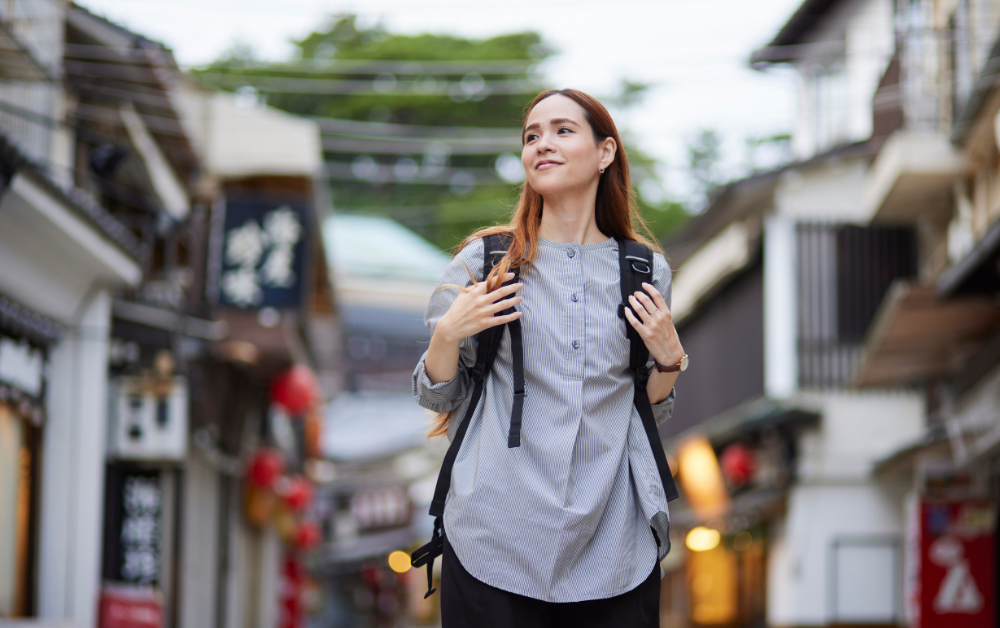
Japan has earned a reputation as one of the most solo-friendly destinations in the world. Here’s why:
- Safety and Security: Japan consistently ranks among the safest countries globally. Violent crime is rare, and petty theft is uncommon, which allows solo travelers to explore cities and countryside alike with peace of mind, even late at night.
- Efficient Public Transport: Japan’s transportation network is world-class. Trains are punctual, buses are reliable, and metro systems are easy to navigate, even if you don’t speak Japanese. Clear signage, often in English, makes it simple to get around on your own.
- Respectful Culture: Japanese society values politeness and personal space, which makes it easier for solo travelers to feel comfortable. Locals are often happy to help if you get lost or confused, even with limited English.
- Freedom and Flexibility: Traveling alone means you can set your own pace, whether that’s squeezing in as many sights as possible or spending an afternoon quietly exploring a temple garden. In Japan, both fast-paced adventures and slow, reflective travel are equally rewarding.
Planning Your Trip
Before packing your bags, it’s worth taking some time to plan your solo adventure in Japan. A little preparation will go a long way in making your journey smooth and enjoyable.
- Best Time to Visit
- Spring (March–May): Famous for cherry blossoms and mild weather.
- Autumn (September–November): Stunning fall foliage (kōyō) and comfortable temperatures.
- Summer (June–August): Hot and humid in the cities, but the season for vibrant festivals and fireworks. It’s also the best time for hiking in the Japanese Alps.
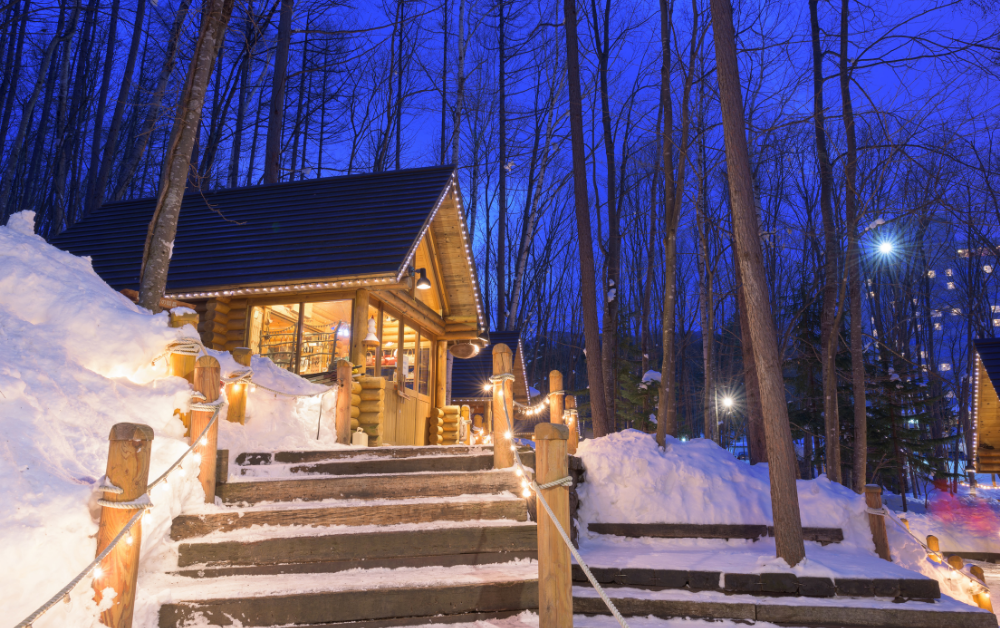
- Winter (December–February): Ideal for skiing in Hokkaido or enjoying hot springs in snow-covered towns.
- Solo-Friendly Itinerary Tips: Mix big cities with quieter towns to balance energy and relaxation. For example, you could spend a few days in Tokyo or Osaka, then slow down in a hot spring town like Hakone or a cultural hub like Kanazawa.
- Budgeting: Japan can be affordable for solo travelers if you plan wisely. Business hotels, capsule hotels, and hostels offer budget-friendly stays, while regional passes like the JR Pass help cut transportation costs.
- Language Prep: English is spoken in tourist areas, but learning a few simple Japanese phrases will make your trip smoother and help you connect with locals.
Accommodation Options for Solo Travelers
Finding the right place to stay is an important part of planning your solo trip. Luckily, Japan offers a wide variety of options to suit different budgets and travel styles.
- Capsule Hotels & Business Hotels: Capsule hotels are a uniquely Japanese experience, offering compact sleeping pods at a low price. Business hotels, on the other hand, provide simple, private rooms with all the essentials, perfect for solo travelers who want comfort without spending too much.
- Hostels & Guesthouses: If you’d like to meet other travelers, hostels and guesthouses are great choices. Many organize social events, walking tours, or group dinners, giving you the chance to connect while still enjoying your independence.
- Ryokan (Traditional Inns): Staying at a ryokan is a special way to experience Japanese culture, with tatami rooms, futon bedding, and elaborate kaiseki meals. However, keep in mind that many ryokan traditionally charge per person and expect guests to come in pairs. Because of this, some ryokan may not accept solo travelers especially in smaller towns or rural onsen (hot spring) areas. To avoid disappointment, check the booking policy carefully or choose larger ryokan that are more accustomed to hosting international visitors.
- Vacation Rentals (Airbnb, etc.): For longer stays or if you prefer privacy, vacation rentals are a good option. They also allow you to cook your own meals, which can help save money as a solo traveler.
Digital Survival Kit

When you are alone, your phone becomes your navigator, translator, and safety net.
- Connectivity: eSIMs are often easier for solo travelers to manage than Pocket Wi-Fi.
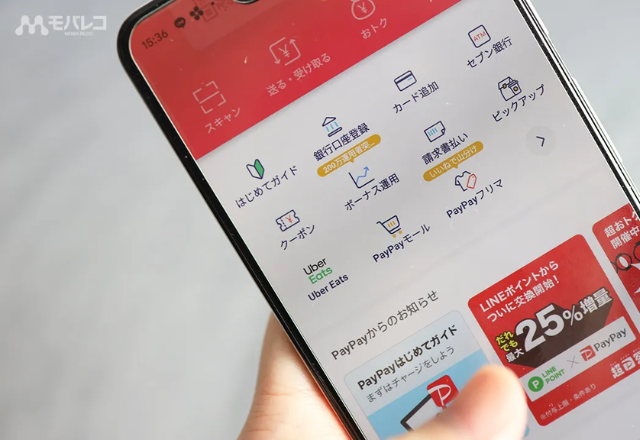
- Essential Apps: Beyond Google Maps, use Japan Transit by Jorudan for platform numbers and Google Lens for translating labels in real-time. PayPay is also widely used for digital payments.
- Power Banks: Since you will rely heavily on GPS and translation apps all day, a power bank is essential to ensure you don’t lose access to your safety tools.
Transportation Made Easy to Solo Travel in Japan
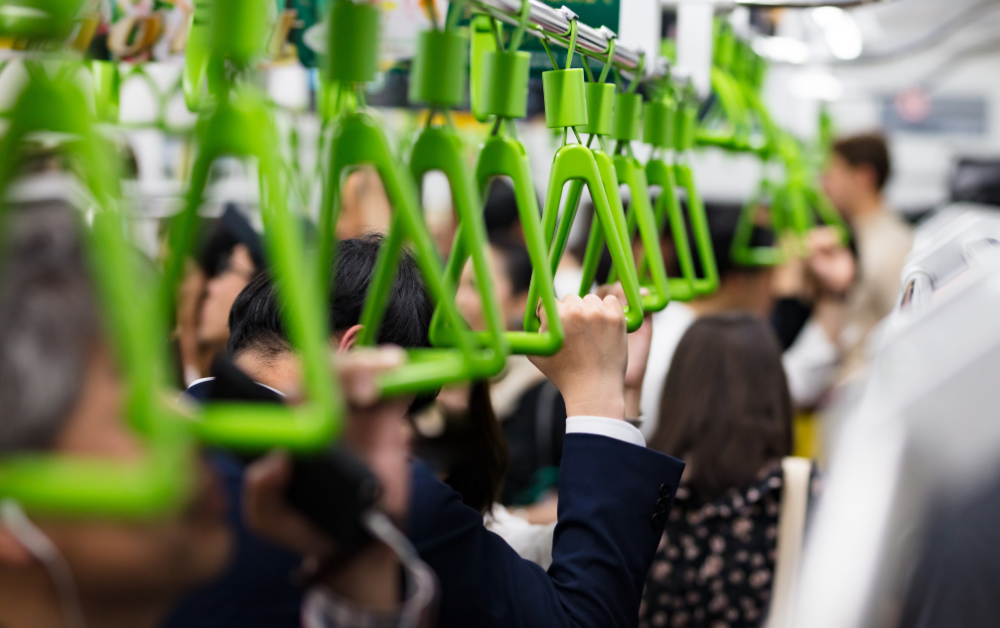
One of the biggest advantages of traveling solo in Japan is how easy it is to get around. The country’s transportation system is safe, punctual, and well-connected, perfect for independent travelers.
- Japan Rail Pass (JR Pass): If you’re planning to travel across multiple cities, the JR Pass can save you money. Available in 7, 14, or 21-day options, it gives you unlimited rides on most JR trains, including the famous shinkansen (bullet train).
- IC Cards (Suica, Pasmo, Icoca, etc.): These rechargeable smart cards make city travel simple. You can tap them to pay for trains, subways, buses, vending machines, and even convenience stores. They’re especially handy when traveling alone because you don’t need to fumble for tickets or exact change.
- Local Trains and Buses: In rural areas, local trains and buses are reliable and usually well-signed. Even if English isn’t widely available, transport staff are often helpful if you get confused.
- Night Buses: A budget-friendly alternative to the shinkansen. They take longer but save you both travel and accommodation costs if you’re on a tighter budget.
- Taxis and Ride-Sharing: Taxis are safe and clean, though expensive compared to public transport. Ride-sharing isn’t common in Japan, so solo travelers usually rely on trains and buses instead.
Transportation & Luggage “Hacks”
Moving across Japan is safe and well-connected, perfect for independent travelers.
- Save on Travel: Use the Japan Rail Pass (JR Pass) for unlimited shinkansen rides or budget-friendly Night Buses to save on both travel and accommodation costs.
- IC Cards: Rechargeable cards like Suica or Pasmo are handy for tapping into trains and buses without fumbling for change.
- Luggage Forwarding (Takkyubin): To avoid the nightmare of lugging heavy suitcases through crowded hubs like Shinjuku Station, use a forwarding service to send bags from hotel to hotel for roughly 2,000 yen.
- Coin Lockers: Use lockers found in most stations to store your bags and explore freely before you can check into your accommodation.
Tip: Here is how to get from Haneda Airport to Tokyo using either the train or the bus.
Eating Alone in Japan
For many travelers, dining alone can feel awkward, but in Japan, it’s completely normal and often very convenient. In fact, the country has plenty of restaurants designed with solo diners in mind.
- Counter Dining: Many ramen shops, sushi bars, and small izakaya (Japanese pubs) have counter seating. This makes it easy for solo travelers to enjoy a meal without feeling out of place.
- Solo-Friendly Chains: Some restaurants, like Ichiran Ramen, are famous for their “booth-style” seating where each guest eats privately. It’s perfect if you’d like to focus on your food or prefer dining quietly on your own.
- Convenience Stores (Konbini): Japan’s konbini, such as 7-Eleven, Lawson, and FamilyMart, are lifesavers for solo travelers. You can grab fresh meals, snacks, and drinks 24/7, often at very affordable prices.
- Department Store Food Halls (Depachika): Located in the basements of department stores, these food markets offer beautifully prepared bento, sushi, and sweets. They’re great if you want to try different dishes and enjoy them back at your hotel.
- Cafés and Themed Restaurants: Japan’s café culture is strong, with plenty of cozy spots where solo travelers can relax with a book or laptop. You’ll also find unique themed cafés, from cat cafés to manga cafés, that make dining alone more of an experience.
- Solo-Friendly Nightlife: While safe, solo travelers should be wary of “touts” in nightlife districts like Roppongi. For a low-pressure evening, try Jazz Cafes or Listening Bars, which are perfect for enjoying music and a drink alone.
Solo Socializing: Where to Meet People
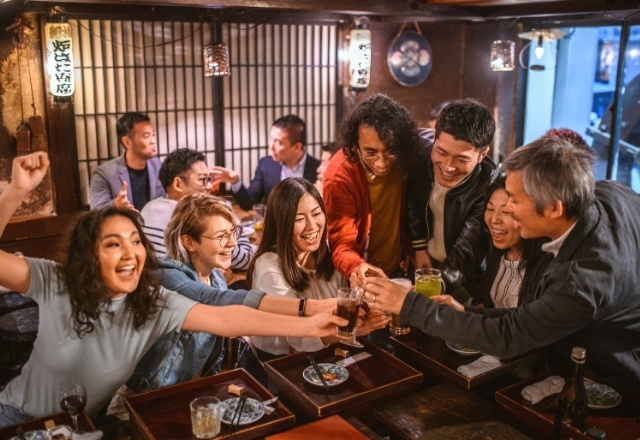
If you want to break the silence of solo travel, try these social avenues:
- Golden Gai & Omoide Yokocho (Tokyo): These tiny, intimate bars encourage conversation with your neighbors.
- Social Hotels: Look for guesthouses like “K’s House” that feature active living rooms and communal spaces.
- Goodwill Guides: These local volunteers (often retirees) offer free tours to practice their English and share their local knowledge.
Things to Do Alone
Solo travel in Japan doesn’t mean you’ll ever run out of things to do. On the contrary, many activities are actually better experienced at your own pace.
- Cultural Exploration: Visit temples, shrines, and castles without worrying about anyone else’s schedule. Kyoto, Nara, and Kamakura are perfect for peaceful solo sightseeing.
- Museums and Art Galleries: Japan is home to world-class museums, the Tokyo National Museum to the Ghibli Museum. Exploring them alone lets you take your time with the exhibits that interest you most.
- Day Trips: Japan’s excellent rail system makes solo day trips easy. You could hop on a train from Tokyo to Nikko, Kamakura, or Hakone; or from Osaka to Nara or Himeji.
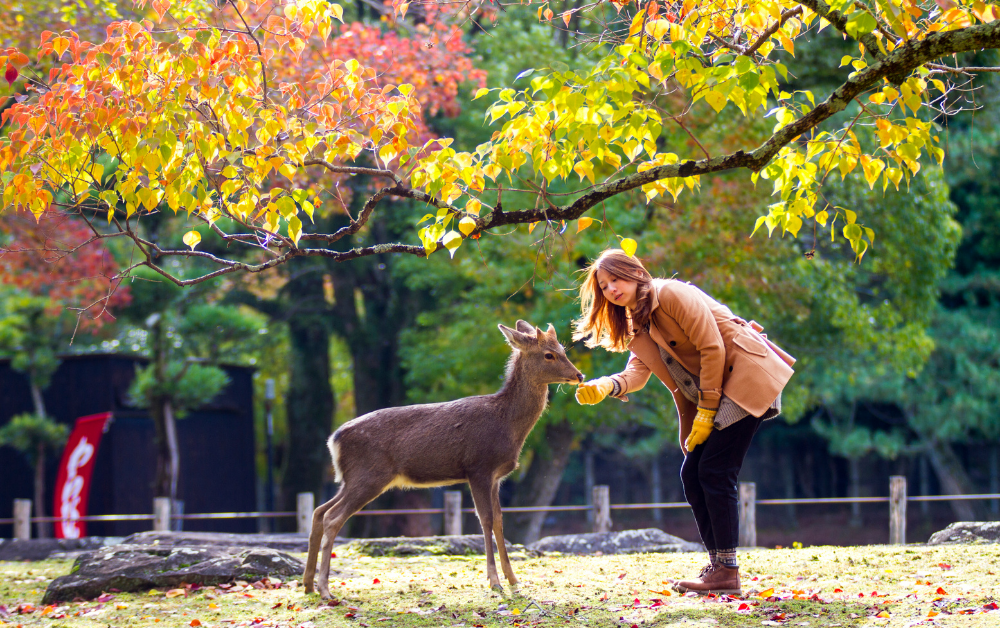
- Nature and Hiking: Hiking trails are well-marked and safe, making solo trekking accessible. Popular routes include Mount Takao near Tokyo and the Nakasendo Trail between Kyoto and Tokyo.
- Join a Class or Tour: If you want some social interaction, consider joining a cooking class, tea ceremony, or guided walking tour. These give you the chance to learn something new and meet people without committing to group travel.
- Unique Japanese Experiences: Try a manga café, karaoke booth, or even a capsule hotel stay. These quintessentially Japanese activities are perfect for solo adventurers.
Safety & Etiquette Tips to Solo Travel in Japan
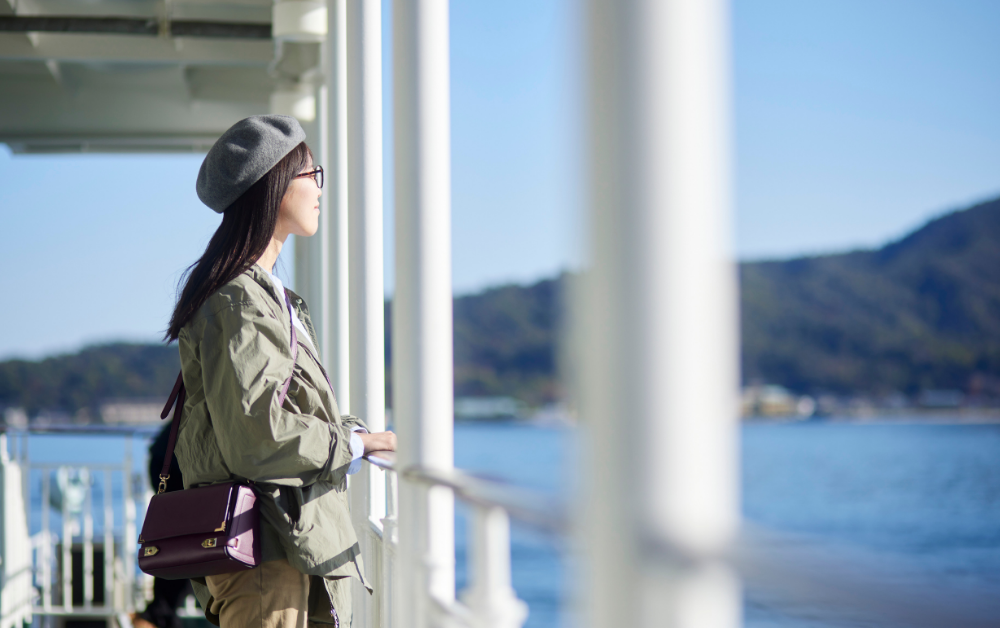
Japan is one of the safest countries in the world, which makes it an excellent choice for solo travelers. Still, there are a few important things to keep in mind:
- General Safety: Crime rates are very low, and walking alone at night in most areas is safe. That said, it’s always smart to stay alert in crowded places like train stations and festivals.
- Onsen (Hot Springs) Etiquette: If you plan to visit an onsen, remember to wash thoroughly before entering the bath, and don’t wear swimsuits, bathing is done nude. Tattoos may still be restricted in some places, though more tattoo-friendly onsen are emerging.
- Train Etiquette: Keep your voice down when speaking on trains, and avoid talking on your phone. Priority seats should be left available for the elderly, pregnant women, or people with disabilities.
- Shoes Off Indoors: At homes, temples, and even some restaurants, you’ll be expected to remove your shoes before entering. Always look for the sign or follow others’ lead.
- Useful Phrases: Learning a few Japanese expressions can make your trip smoother:
- すみません (Sumimasen) – Excuse me / Sorry
- ありがとうございます (Arigatou gozaimasu) – Thank you
- 英語できますか? (Eigo dekimasu ka?) – Do you speak English?
These small efforts show respect for the culture and make locals more likely to assist you warmly.
Emergency & Health
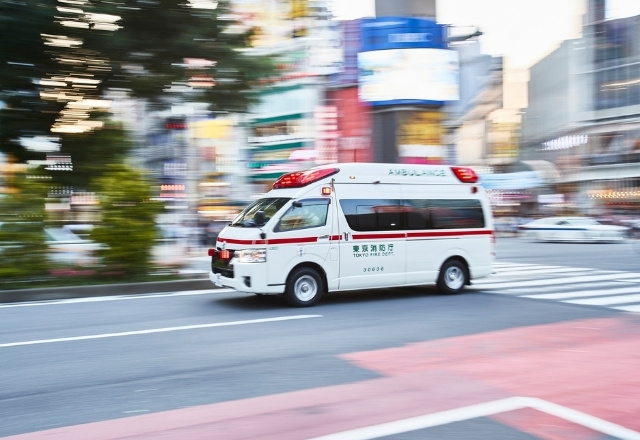
When you’re alone, being prepared for illness or injury is vital.
- Who to Call: Dial 119 for life-threatening medical emergencies or fire. For non-emergency medical consultation in Tokyo or Osaka, you can dial #7119. Knowing how to handle emergency situations in Japan before a crisis happens can save you precious minutes.
- Hospital and Clinics: While hospitals may turn away walk-ins if they are full, ambulances will transport you to a facility equipped for your condition. For non-emergencies, local clinics are your best bet.
- Healthcare Costs: If you do not have Japanese health insurance, you will likely be charged full price (100%) for services. It is helpful to understand the logistics of getting medical care with no health insurance to avoid surprise costs at the front desk.
- Medical Resources: Use the JNTO website to search for English-speaking doctors. For medication, visit a drugstore (yakkyoku), where staff can assist with common symptoms like the flu or cold.
Final Thoughts on Solo Travel in Japan
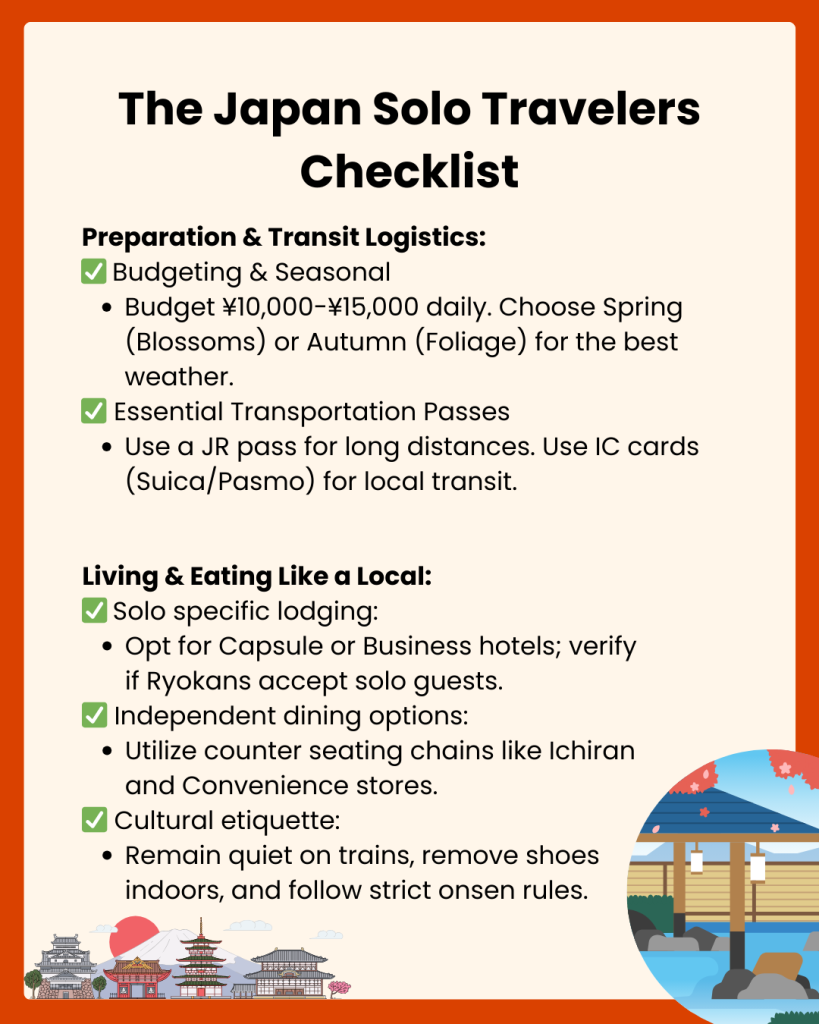
Solo travel in Japan is one of the most rewarding ways to experience the country. From the safety and convenience of its cities to the peaceful beauty of its temples and countryside, Japan offers everything a solo traveler could hope for. While there are a few challenges, such as some ryokan not accepting single guests, these are minor compared to the freedom, flexibility, and personal growth you’ll gain.
Whether you’re enjoying a quiet bowl of ramen at a counter, hopping on a shinkansen to your next destination, or soaking in an onsen after a day of exploring, Japan makes traveling alone simple and fulfilling.
So, pack your bags, trust the journey, and discover Japan your own way, solo.
Love what you are reading? Come to Japan on an exciting study-abroad journey!
If you love Japanese culture, why not study Japanese in Japan? Coto is excited to announce that we’re offering a matching service to help students find a Japanese language school that provides student visas.
So if you want to come to Japan, let us help you! We provide free support, no agent fee! Our goal is to help make your dream of moving to Japan come true. Find a language school today and contact us!
FAQ
Is Japan safe for solo travelers?
Yes. Japan is consistently ranked as one of the safest countries in the world. Violent crime is extremely rare, and even large cities like Tokyo and Osaka are safe to explore alone, day or night.
Can women travel alone in Japan?
Absolutely. Many women travel solo in Japan without issues. The country’s safety, reliable transportation, and respectful culture make it particularly welcoming for solo female travelers.
Are ryokan solo traveler-friendly?
Not always. Traditional ryokan often charge per person and expect guests to stay in pairs. Some may not accept solo travelers, especially in rural onsen towns. To avoid problems, check the booking policy or look for larger, international-friendly ryokan.
What are the best places to visit alone in Japan?
Tokyo, Kyoto, and Osaka are great for solo exploration thanks to their attractions and convenient transport. For a quieter experience, consider Kanazawa, Hakone, or the Nakasendo Trail.
How much does it cost to travel solo in Japan?
Budgets vary, but solo travelers can expect to spend around ¥10,000–¥15,000 ($70–$120) per day on average, including accommodation, meals, and transportation. Staying in hostels or capsule hotels and using regional passes can help reduce costs.