Facing a critical demographic decline in recent years, Japanese companies have become increasingly reliant on foreign engineering and tech talents to fill their labor gaps. Japan’s tech market is currently navigating through a transition period. A shortage of 220,000 tech professionals is expected to result in annual losses of ¥12 trillion by 2026 if legacy systems remain outdated. Japan has shifted from seeking labor supplements to aggressively recruiting highly skilled foreign professionals as catalysts for innovation.
As of 2026, the number of foreign workers in Japan reached 2.6 million, with the “Engineer/Specialist in Humanities” visa category being the largest single group among white-collar professionals. For tech professionals aged 25–40, this represents an opportunity to enter a market that is decoupling its salary structures from traditional local averages.
But how easy is it to break into tech in Japan when you are a foreigner living abroad? Can Japanese companies sponsor a work visa, and do you need to have a high level of Japanese proficiency to be hired?
This guide will break down everything you need to know about finding a tech job in Japan, from salaries, hiring trends, and practical tips to land your next tech gig in one of the world’s most exciting countries.
What Are Some High-Growth Sectors Hiring in 2026?
While traditional industries remain stable, four emerging sectors are driving the current demand for foreign technical talent:

1. Artificial Intelligence (AI) & Machine Learning
The Japanese AI market is projected to surge to $35.2 billion by 2033. With over 70% of organizations reporting they are understaffed in key technical areas, firms like ExaWizards and Money Forward are actively recruiting researchers and developers, often without strict Japanese Language requirements. For a deeper look at the skills gap, see the Japan Tech Talent Report by the Linux Foundation.
2. Semiconductors: The “Oil” of the Digital Age
Japan is pouring trillions of yen into a semiconductor resurgence through initiatives like Rapidus and partnerships with TSMC. The Ministry of Economy, Trade and Industry (METI) projects a shortfall of over 35,000 skilled workers by 2030. Demand is highest for process engineers (photolithography/etching) and AI chip design experts.
3. Fintech & Blockchain
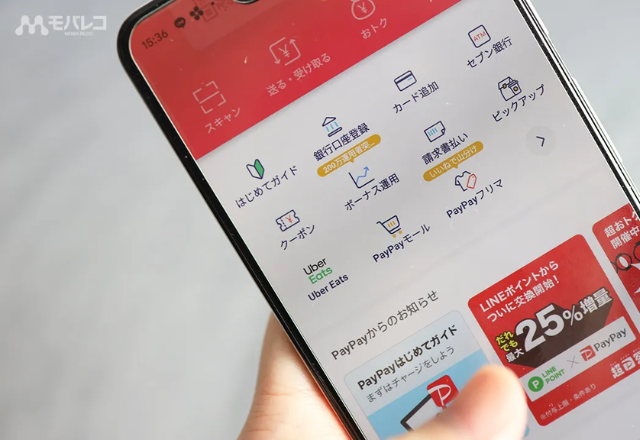
The government’s goal of reaching a 40% cashless payment ratio in 2025 has triggered a digital banking revolution. High-concurrency systems, digital wallets (like PayPay, which now has 69 million users), and cross-border stablecoin projects like “Project Pax” are creating high demand for Java developers and cloud architects.
4. Green Tech & Offshore Wind
Following the Fukushima incident, Japan is prioritizing offshore wind and hydrogen supply chains. Milestone projects like the 220 MW Kitakyushu Hibikinada offshore wind farm have entered commercial operation, creating specialized roles in interface engineering and construction management.
2026 Salary Benchmarks for Foreign Engineers
If you are a foreign engineer with specialized skills, ignore the national average of ¥4.5M. High-skilled talent at tech-forward firms now commands significantly higher premiums.
While general national averages for software developers in Japan often hover around ¥4.5M to ¥5.5M, these figures are frequently considered outdated because they fail to account for highly skilled foreign talent at tech-forward firms. In 2026, specialized foreign engineers are increasingly earning ¥10M or more, as compensation packages at global companies decouple from traditional local benchmarks.
- Professionals at the Junior level, typically with one to two years of experience, can expect an annual salary range of ¥5.5M to ¥8.0M.
- In mid-level roles with three to five years of experience, the typical salary benchmark rises to between ¥7.0M and ¥12.0M.
- Engineers who reach the Senior level (defined by five to ten years of experience) generally command annual salaries between ¥10.0M and ¥15.0M+.
Detailed breakdowns are available in the JapanTechCareers 2025 Salary Guide.
The Japanese government has introduced residency programs to simplify the move for top-tier talent:
- J-Skip (Special Highly Skilled Professional): A high-speed track for engineers earning at least ¥20 million annually. It bypasses the traditional points-based system and offers a path to Permanent Residency in just one year.
- J-Find (Future Creation Individual Visa): If you graduated from a top 100 world university within the last five years, this visa allows you to stay in Japan for up to two years specifically to job-hunt or launch a startup.
- Digital Nomad Visa: Ideal for “testing the waters,” this visa allows you to stay for six months while working for a foreign employer, provided you earn at least ¥10M annually.
- Gijinkoku visa (Engineer/Specialist in Humanities): The standard gateway for “White-collared” Professionals, this visa covers a wide range of roles from IT and engineering to marketing and translation. It requires a university degree or equivalent professional experience.
The Ecosystem: Startups and Regional Tech Hubs
Japan’s tech scene is no longer defined solely by traditional conglomerates. A vibrant startup ecosystem has emerged, characterized by a shift in perspective in which foreign talent is viewed not just as a “labor supplement” but as a vital “innovation catalyst“.

Tokyo: The Undisputed Epicenter
Tokyo remains the undisputed center for high-growth tech firms, hosting the vast majority of Japan’s AI, fintech, and robotics startups. For the 25–40-year-old professional, Tokyo offers:
- Bilingual Environments: Many top-tier startups, such as Mercari and SmartNews, operate in English-first or highly bilingual environments to attract global talent.
- Competitive Compensation: These firms set the standard for modern benefits and salaries that compete with global tech hubs, often decoupling their pay scales from traditional Japanese company averages.
- Networking: Tokyo is home to 25.4% of all foreign workers in Japan, providing a dense community of international professionals.
If you would like to work in Japan, you will have to sharpen up your Japanese skills! You can study Japanese at one of our language schools in Tokyo: Canaan Tokyo Japanese Language School, ISI Japanses Language School, Shibuya Gaigo Gakuin.
Fukuoka: The “Startup Visa” Gateway
Fukuoka has established itself as Japan’s most dynamic regional hub for entrepreneurs and early-stage employees.
- Startup Visa Hub: The city actively recruits global professionals through a dedicated Startup Visa program and offers extensive English-language support services.
- Quality of Life: It provides a significantly lower cost of living than Tokyo while maintaining a high growth rate in technical positions.
- Sectors: The most active hiring sectors in Fukuoka currently include Payments, Leisure, and Audio Technology.
If you would like to study at a Japanese Language school in Fukuoka, you can take a look at our partner school: Fukuoka Foreign Language College (FFLC).
Osaka: The Innovation Legacy
The Osaka-Kansai region is leveraging the 2025 World Expo to solidify its place as a global innovation hub.
- Deep Tech Focus: Unlike Tokyo’s broad focus, Osaka has specialized strengths in Bio and Life Sciences, healthcare innovation, and Green Technology.
- Global Networking: Events like the Tech Osaka Summit connect ambitious startups with venture capitalists and corporate partners from around the world.
We also have a partner in the heart of Osaka, learn about Loop International Japanese Language School.
Strategic Tips for Your Transition
If you would like to build your future in Japan, you can start by getting a few tips from us!
- Find Curated Roles: Don’t waste time on local job boards with outdated tech stacks. Use Japan Dev to find hand-picked jobs that specifically offer visa sponsorship.
- Prepare a Japan-Ready Portfolio: Even if the job is English-first, understanding local expectations is key. Check out our guide on how to write a Japanese-style resume to stand out.
Invest in Language Early: While many tech leads earn high salaries with English only, passing JLPT N2 can add ¥0.5M–¥2M to your base salary. Explore our Practical Japanese & Career Readiness programs to build your foundation.
Japanese Level Requirements
While some international startups and foreign tech firms in Japan operate primarily in English, the broader tech market is becoming increasingly competitive, making Japanese proficiency a critical differentiator for career growth and salary.
- The JLPT Standard: The Japanese-Language Proficiency Test (JLPT) is the primary metric used by employers to certify language ability. For most technical roles in Japanese companies, JLPT N2 is considered the practical minimum requirement for daily business communication.
A Competitive Edge and Salary Premium: Moving beyond technical skills, passing the JLPT N2 can add between ¥0.5M and ¥2M to your base salary. N1 holders typically earn between ¥6M and ¥8M, while those with no Japanese skills may start between ¥3M and ¥4M.
Finding the right educational path is essential for those who need a visa to enter or stay in Japan. Utilizing specialized services can simplify this process significantly.
- Coto School Finder: This is a free online service at studyinjapan.org designed to help international students find and apply to long-term Japanese language schools that meet their specific needs.
- Coto Academy vs. Coto Japanese Institute: While Coto Academy offers high-quality classes for residents, it does not provide student visa sponsorship. For those requiring a visa, the Coto Japanese Institute is the dedicated branch for long-term, visa-sponsored programs.
- Targeted Career Programs: Coto Japanese Institute offers two primary tracks designed for professionals:
- Practical Japanese & Career Readiness: Aimed at beginners (N5 to N3), this program builds the foundational language skills needed for daily life and workplace communication in Japan.
- Advanced Japanese Communication & Career Growth: Designed for those moving from N3 to N2, this course focuses on professional Japanese, enabling students to lead discussions and handle complex workplace situations.
- Comprehensive Support: These programs include one-on-one career counseling, interview guidance, and assistance with visa applications and housing searches. The next major intake periods for these visa-eligible programs are scheduled for April and October.
FAQ
Where do I find tech jobs in Japan?
Focus your search on job-hunting websites such as Japan Dev, Tokyo Dev, or JapanTechCareers to find tech-forward roles that offer visa sponsorship and competitive salaries. Additionally, look into 10 best job hunting websites for foreigners in Japan for more general information and help.
How much Japanese do you actually need for a tech job in Tokyo?
While English-first firms like Marcari and Rakuten exist. JLPT N2 is the practical minimum for most Japanese companies. Achieving N1 or N2 proficiency can increase your base salary from ¥0.5M to ¥2M and is often required for advancing into management or Tech-Lead positions.
Which tech sectors in Japan have the highest demand for foreign talent right now?
Four primary sectors are currently driving the demand for high-skilled foreign professionals: Artificial Intelligence (AI), Semiconductors, Fintech, Green Tech.
What is a realistic salary for a foreign software engineer in Tokyo?
While national averages for local developers are often lower, specialized foreign engineers command a premium. In 2026, Mid-level engineers (3–5 years) typically earn between ¥7.0M and ¥12.0M, while Senior engineers (5–10 years) earn ¥10.0M to ¥15.0M+. Tech Leads and Staff Engineers at top-tier startups or FAANG-style firms can reach ¥25M to ¥30M+.
Do I need to be fluent in Japanese to get a high-paying tech job?
Not necessarily. Many top-tier startups and global firms like Mercari, SmartNews, and Rakuten operate in English-first or highly bilingual environments to attract global talent. However, passing the JLPT N2 can increase your base salary by ¥0.5M to ¥2M and significantly expand your career opportunities.
What is the fastest way to get Permanent Residency (PR) in Japan?
The J-Skip (Special Highly Skilled Professional) visa is the fastest route. It is a high-speed track for engineers earning at least ¥20 million annually (or managers earning ¥40M). It allows you to apply for Permanent Residency in just one year, bypassing the traditional points-based system.
I recently graduated from a top university. Is there a visa for me?
Yes. The J-Find (Future Creation Individual Visa) is designed for graduates from the world’s top 100 universities (as ranked by QS, THE, or ARWU) within the last five years. It allows you to stay in Japan for up to two years specifically to job-hunt or start a business, provided you have at least ¥200,000 in savings.
Can I live in Japan while working remotely for my current US or EU employer?
Japan introduced a Digital Nomad Visa in 2024. It allows remote workers to stay for up to six months if they have an annual income of at least ¥10 million (approx. $68,000 USD) and private health insurance. Note that this visa cannot be renewed; you must leave and reapply.
Can I work as an engineer in Japan if I don’t have a university degree?
Yes, but it is more difficult. You generally need 10 years of professional experience in the relevant field. Alternatively, passing an approved IT exam (such as the Fundamental Information Technology Engineer Examination) can waive the degree requirement for the standard “Engineer/Specialist in Humanities” visa.
Where should I focus my job search to avoid "black companies" (exploitative firms)?
Avoid mainstream job boards that list vague, low-paying roles with outdated tech stacks. Use curated platforms like Japan Dev, JapanTechCareers, or TokyoDev, which focus on tech-forward companies that offer visa sponsorship, competitive salaries, and modern work cultures.
Which cities outside of Tokyo are good for tech professionals?
Fukuoka: Known as Japan’s “Silicon Valley,” it is a dedicated Startup Visa hub with a lower cost of living than Tokyo.
Osaka: Leverages its legacy in Bio and Life Sciences and Green Tech, with a growing startup ecosystem spurred by the 2025 World Expo.