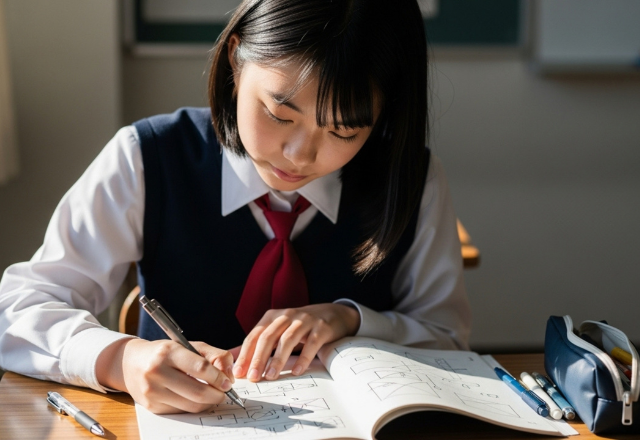
If you’re considering learning Japanese in Japan, you’re probably wondering how much it would cost. Japanese is a language that has gained popularity over the years, and it’s no wonder why people from all corners of the world are flocking to Japan to learn it. However, one of the most significant challenges of learning a language in a foreign country is estimating how expensive it can be to pursue your studies abroad.
Whether you’re a student, professional, or simply interested in immersing yourself in Japanese culture, this guide will help you better understand the costs of studying Japanese in Japan, from language schools to accommodation. In the end, you can make an informed decision about your language-learning journey and plan your budget accordingly. So, let’s dive in and explore the costs of learning Japanese in Japan!
This updated guide breaks down the real costs of studying Japanese in Japan in 2025, from tuition fees to rent and beyond. With accurate estimates, insider tips, and comparisons by city, you’ll be able to plan your finances with confidence and avoid surprises along the way.
💡 Did you know?
Some Japanese language schools offer dormitory packages that include meals, which can save you up to 20% compared to renting and eating out independently.
Want to study Japanese in Japan? Get free support from initial inquiry to visa application with Coto School Finder!

What Affects the Cost of Studying Japanese in Japan?
Before you dive into the numbers, it’s important to understand the factors that will impact your total study budget. Costs can vary widely depending on your choices and situation.
1. Types of Programs in A Japanese Language School
Taking Coto Japanese Academy as an example of a Japanese language school, they have a few main Japanese courses, such as the following:
- Part-time courses (1–2 times per week) are the most affordable and flexible, perfect if you’re already in Japan.
- Intensive courses (5 days/week, 3–4 hours/day) offer faster results but are more expensive.
- Private lessons cost more per hour but provide tailored, one-on-one learning.
For Coto Japanese Academy, they are a Japanese language school designed for student who does not need student visa support. However, if you would like to be a full-time student studying Japanese in Japan, you can reach out to Coto School Finder to help you find the ideal Japanese language schol that fits your learning needs and goals.
For long-term Japanese language schools, usually there are three types of courses:
- General Japanese Course: The general course is best for students who want to acquire the Japanese language skills necessary for living in Japan. This course is offered by all Japanese language schools.
- University Preparatory Course: This course aims to help students enter universities, graduate schools or vocational schools. This includes tackling the general aspects of the Japanese language, applying for target universities and preparing for entrance exams.
- Business Japanese Course: This course specializes in providing career support for students who wish to find employment or start a business in Japan. This usually includes tackling the general aspects of the language and Japanese business etiquette.
2. Japanese Program Duration
Short-term programs (up to 6 months) are generally cheaper and easier to enroll in, especially for tourists or working holiday visa holders. Some schools’ recommendations are Coto Japanese Academy!
Long-term programs (1–2 years) are required for student visa applicants. These programs involve stricter attendance policies, more paperwork, and higher upfront costs, but they also provide more structured learning and deeper immersion. This includes schools like ISI, TCJ, Toyo, or Coto Japanese Institute.
If you are considering studying Japanese on a student visa, we partner with long-term Japanese language schools, so you can contact us for free support!
3. Location of the Japanese Language School
Japan’s cost of living changes dramatically from region to region. Studying in Tokyo, for example, can cost 30–50% more than in regional cities like Fukuoka or Kagawa.
- Tokyo & Osaka: Higher tuition, higher rent, more entertainment options.
- Kyoto & Nagoya: Balanced lifestyle with moderate prices.
- Regional towns (e.g., Sapporo, Fukuoka): Lower rent and fewer distractions, perfect for focused study.
4. School Type
Not all language schools are the same. Some charge premium rates for better facilities, native-level teachers, and strong visa support. Others may be more affordable but less flexible with scheduling or class size.
Coto School Finder works with a wide range of Japanese language schools across Japan, from institutes in Tokyo to Okinawa, and can match you with one that suits both your goals and your budget.
Before you start estimating the cost, consider these factors, as they will help you make an informed decision about the type of program that best suits your budget and needs.
Cost Breakdown of Studying Japanese in Japan
Now that you understand the key factors that influence your budget, let’s break down the actual costs you can expect when studying Japanese in Japan.
1. Tuition Fees(学費 | Gakuhi)
| Program Type | Duration | Tuition Range (JPY) |
|---|---|---|
| Short-term | 3 months | ¥250,000 – ¥450,000 |
| Long-term | 1-2 year | ¥800,000 – ¥1,000,000 |
Also note that registration, admission, materials, and facility fees can add ¥120,000–¥150,000 to the first-year cost.
Example for 1-Year Long-Term Program:
| Category | Cost Range (JPY) |
|---|---|
| Registration & Admission | ¥80,000 – ¥90,000 |
| Tuition (12 months) | ¥650,000 – ¥800,000 |
| Materials & Facilities | ¥70,000 – ¥90,000 |
| Total | ¥850,000 – ¥980,000 |
Remember that the first year will always be the most expensive, especially when you are typically expected to pay the first 12 months in full.
There are still partner schools outside of Tokyo that offer lower fees. For example, Future Design Language School (Kagawa) offers tuition from ¥620,000 per year, a good option for budget-conscious students.

2. Accommodation in Japan
Depending on how long you are planning to stay in Japan, you’ll have different accommodation options.
For short-term stays of less than one year, you can look for sharehouses and homestays. For homestays, you’ll stay with a Japanese host family, which is a great way to immerse yourself in local Japanese life. If you would like to meet more diverse people from around the world, your best bet is to stay at a sharehouse.
Either way, both homestays and sharehouses are great options because the contract is quite flexible. If you’re considering these two options, check out our article comparing homestays and sharehouses in Japan!
If you’re planning to study long-term in Japan, you have more chances of finding a school that offers a dormitory option! This is probably the best option because it’s relatively more affordable and easier to process. If you’re staying in a dormitory, you can expect to pay between ¥30,000 and ¥75,000 (approximately $270 to $680) per month.
It’s another thing if you decide to rent an apartment from the get-go. In Tokyo, expect to pay around 60,000 to 150,000 Japanese yen (approximately $450 to $1,350) per month, depending on the location and size of the apartment.
But here’s the catch: it’s common practice in Japan to pay three to four times your monthly rent the first time! Don’t worry — no one is trying to scam you! This is just an industry practice in Japan, where tenants need to pay initial fees that include key money (reikin). A reiki is basically a gratitude, non-refundable fee. There are also additional costs, such as guarantor fees, lock-changing fees, cleaning fees, maintenance fees, and agency fees. Altogether, they can rack up a ton of money!
According to the Statistics Bureau of Japan’s 2018 Housing & Land Survey, the average monthly rent in Japan nationwide is 55,695 yen. The survey also reveals the average monthly rental for each prefecture in Japan. Here are a few popular prefectures whose average monthly rental exceeds the national average
- Tokyo: 81,001 yen
- Kanagawa: 68,100 yen
- Saitama: 59,358 yen
- Chiba: 57,421 yen
Other costs of popular prefectures are:
- Osaka: 55,636 yen
- Kyoto: 54,605 yen
- Nara: 48,492 yen
- Fukuoka: 48,429 yen
Of course, there are ways to find affordable housing options in Japan! For example, you can consider finding a sharehouse. Sharehouses are a type of rental residence in Japan where multiple unrelated individuals live together, sharing all spaces except their own private rooms. A good thing about living in a sharehouse, besides being relatively cheaper, is that it’s typically inhabited by other foreigners in Japan (with a good mix of Japanese people, of course)! A lot of people opt for sharehouses because it allows them to meet new people and make friends
3. Food and Daily Essentials
| Category | Monthly Estimate (JPY) |
|---|---|
| Groceries (mostly cooking at home) | ¥25,000 – ¥35,000 |
| Mixed (cooking + dining out) | ¥40,000 – ¥60,000 |
| Mostly eating out | ¥60,000 – ¥80,000 |
| Other essentials (toiletries, laundry, etc.) | ¥3,000 – ¥6,000 |
But what happens if you’re someone who’s always eating out in Japan? Would it be expensive?
Well, as a reference, the price of one onigiri (riceball) in Japan ranges from 110 to 220 yen. Family Mart, one of the biggest convenience store chains in Japan, also sells 100-yen coffee, and an egg sandwich called tamago sando costs 270 yen.
As you can see, it’s not so expensive! However, if you’re ordering Uber Eats every night, which costs 1,500 to 2,000 yen each time, you’ll definitely be spending a big portion of your expenses on food!
Either way, there are a lot of cheap places to eat that you’ll discover on your own, whether it be a local shop or a chain restaurant. Don’t forget that you can always rely on the famous 100 yen stores that sell just about anything!

4. Transportation
Japan has one of the best public transportation systems in the world, and whether you’re a short-term visitor or an international student, you’ll be using it a lot!
Transportation costs can vary significantly depending on your school’s location and where you’re staying!
If you’re staying in a dormitory, chances are it’ll be 10-15 minutes away from school. The most expensive it’ll get will be when you buy a bike in Japan, which is actually pricier than you think!
On average, you can expect to spend between ¥10,000 to ¥20,000 (approximately $90 to $180) per month on transportation.
| Type | Monthly Cost (JPY) | Notes |
|---|---|---|
| Commuter Train Pass | ¥10,000 – ¥18,000 | Depends on distance |
| Bicycle (one-time purchase) | ¥15,000 – ¥25,000 | Cheap long-term alternative |
There are other expenses in Japan besides these primary needs. If you want to get a complete breakdown of how much it costs to live in Japan, visit our guide here!
Other Expenses When It Comes To Studying Japanese In Japan
Other expenses to consider include textbooks, stationery, health insurance, and visa fees. Textbooks can cost between ¥10,000 and ¥20,000 (approximately $90 to $180) per semester, depending on the program.
For those thinking of studying on a student visa, let’s not forget about your health insurance and pension! If you come to Japan on a student visa, you’re now technically a resident in Japan — and all residents in Japan are required to pay taxes, insurance, and pension.
Luckily, most students who earn below a certain income can apply for exemptions and reductions. While the premium varies by location and income, in most cases it’s about ¥20,000 to ¥30,000 (approximately $180 to $270) per year for foreign students in Japan.
If you decide to live in your own apartment in Japan for privacy and comfort, expect to pay an average utility bill of about 11,000 yen per month. You’ll spend an average of 4,000 on electricity, but be aware that it usually goes up during summer and winter when you are using AC all the time. Gas costs 4,000 yen, and water is typically 3,000 yen.
Check out: Should You Study Abroad in Japan? Pros and Cons
Example of Expenses in Japan
So what’s a monthly expense look like for an international student enrolled in a one-year program in Japan? We’ve made a scenario of someone who lives in a shared apartment in Tokyo, who lives two stations away from their school!
| Category | Cost |
|---|---|
| Rent | 45,000 yen (split with a roommate from 90,000 yen) |
| Utilities | 11,000 yen |
| Internet and phone plan | 3,500 yen |
| Groceries | 30,000 yen |
| Transportation | 7,000 |
| Entertainment (going and eating out with friends) | 10,000 yen |
| Others (personal hygiene, clothes, supplies, etc) | 3,000 yen |
| Total | 109,500 yen |
Comparison of Costs Between Different Cities in Japan
As mentioned earlier, the cost of learning Japanese in Japan can vary significantly depending on the location of your school. Here’s a comparison of the cost of living and studying in three different cities in Japan:
Tokyo
Tokyo is the most expensive city in Japan, and you can expect to pay more for tuition, accommodation, and living expenses. On average, tuition fees for a 12-week program can range from ¥300,000 to ¥400,000 (approximately $2,700 to $3,600).

Accommodation costs can range from ¥50,000 to ¥150,000 (approximately $450 to $1,350) per month, and food costs can range from ¥50,000 to ¥80,000 (approximately $450 to $720) per month. Overall, you’ll need to budget between ¥300,000 to ¥500,000 (approximately $2,700 to $4,500) per semester.
Kyoto
Kyoto is another popular city for learning Japanese in Japan, and it’s more affordable than Tokyo. On average, tuition fees for a 12-week program can range from ¥200,000 to ¥300,000 (approximately $1,800 to $2,700).
Accommodation costs can range from ¥30,000 to ¥80,000 (approximately $270 to $720) per month, and food costs can range from ¥40,000 to ¥60,000 (approximately $360 to $540) per month. Overall, you’ll need to budget between ¥200,000 to ¥400,000 (approximately $1,800 to $3,600) per semester.
Fukuoka
Fukuoka is a less popular city for learning Japanese in Japan, but it’s more affordable than Tokyo and Kyoto. On average, tuition fees for a 12-week program can range from ¥100,000 to ¥200,000 (approximately $900 to $1,800).
Accommodation costs can range from ¥20,000 to ¥50,000 (approximately $180 to $450) per month, and food costs can range from ¥30,000 to ¥50,000 (approximately $270 to $450) per month. Overall, you’ll need to budget between ¥150,000 to ¥250,000 (approximately $1,350 to $2,250) per semester.
Besides these options, which other cities should you consider for immersing yourself in Japan? Check out our recommendations for popular cities to study Japanese in Japan!
Scholarships and Financial Aid For Learning Japanese in Japan
If you’re concerned about the cost of learning Japanese in Japan, you’ll be happy to know that scholarships and financial aid are available. The Japanese government offers scholarships for international students, and many private organizations also offer scholarships and grants. You can also check with your home country’s government or education department for financial assistance.
While Coto School Finder does not provide financial aid or help with applying for one, you can learn more about scholarships in Japan.
Tips for Saving Money While Learning Japanese in Japan
Learning Japanese in Japan can be expensive, but there are ways to save money. Here are some tips for saving money while learning Japanese in Japan:
- Opt for a regular program instead of an intensive program
- Consider living in a dormitory or shared apartment
- Cook your meals instead of eating out
- Use a bicycle or walk instead of using public transportation
- Look for free or low-cost activities to do in your free time
Cost of Living in Japan for Non-students
If you’re not a student and want to live in Japan, you’ll need to consider the cost of living. On average, the cost of living in Japan is higher than in many other countries. Accommodation, food, and transportation are the most significant expenses. However, if you’re on a tight budget, there are ways to save money. For example, you can choose to live in a shared apartment or cook your meals instead of eating out.
Options for Learning Japanese Online or In Your Home Country
If you’re unable to travel to Japan to learn Japanese, there are other options available. Many language schools offer online courses, and you can also find many online resources to learn Japanese. You can also consider taking classes in your home country or finding a language exchange partner.
Conclusion
Learning Japanese in Japan can be an incredible experience, but it’s essential to consider the cost before making a decision. In this guide, we’ve looked at the factors that affect the cost of learning Japanese in Japan, the cost breakdown, and tips for saving money. We’ve also compared the cost of living and studying in different cities in Japan and discussed scholarships and financial aid. Ultimately, the cost of learning Japanese in Japan will depend on your individual circumstances, so it’s essential to do your research and make an informed decision.
Coto School Finder partners with almost 20 of the best Japanese language schools across Japan. We help you match with the right school that fits you, apply for a student visa, and ensure your admission is processed as easily as possible!
If you are ready, get the full support you need and contact us today!
Is it expensive to study Japanese in Japan?
t depends on your program type and city. Long-term intensive programs in Tokyo can cost over ¥900,000 per year in tuition alone, while more affordable programs are available in smaller cities. Total monthly living costs usually range from ¥110,000 to ¥160,000.
Can I work part-time while studying in Japan?
Yes, student visa holders can apply for a work permit (資格外活動許可). With this, you can work up to 28 hours per week during the semester and up to 40 hours during breaks.
Is Tokyo the most expensive city to live in?
Yes. Rent, food, and transportation tend to cost more in Tokyo compared to other cities like Fukuoka or Nagoya. You can save money by living outside the city center or choosing a different region altogether.
Are there scholarships available for language students?
Some schools offer tuition discounts or scholarships, and the Japanese government has a few programs for international learners. However, scholarships for language school students are limited and competitive.
Can I pay tuition in installments?
Yes, many language schools allow you to pay tuition every 3 or 6 months instead of yearly. However, initial fees (admission, registration, etc.) are often due upfront.
Do I need to show proof of funds to apply for a student visa?
Yes. Immigration usually requires proof that you have access to enough funds to cover your tuition and living expenses for your stay. This is often around ¥2,000,000–¥3,000,000 for one year.