Moving to Japan for one or two years is an exciting step. Whether you’re coming for language school, university, or a long-term program, settling into daily life quickly and affordably is important. One of the smartest ways to reduce your initial expenses is to buy secondhand items instead of purchasing everything brand new.
Japan has one of the best second-hand markets in the world. Items are often well-maintained, apartments are small (so people replace things frequently), and quality standards are high. If you approach it strategically, you can save a significant amount of money — and even earn some back before you leave.
This guide will walk you through how to buy and sell second-hand items in Japan safely, efficiently, and confidently.
Why Second-Hand Makes Sense for Students
If you’re staying for only one or two years, buying brand-new furniture and appliances rarely makes financial sense. A new refrigerator, washing machine, microwave, desk, and basic household setup can easily cost hundreds of thousands of yen.
Second-hand items, on the other hand, are often 30–70% cheaper. Many products are barely used, especially in urban areas where people move frequently for work or school. Since Japan has strict waste-disposal rules, many residents prefer to sell usable items rather than throw them away.
For students, this creates the perfect opportunity: lower costs when you arrive, and the option to resell when you leave.
Where to Buy Second-Hand Items in Japan
Recycle Shops: Reliable and Beginner-Friendly
One of the easiest ways to start is through physical recycling shops (リサイクルショップ). Well-known chains such as Hard-Off, Book-Off, and 2nd STREET operate nationwide.
These stores sell furniture, electronics, kitchen appliances, clothing, and home goods. The major advantage is reliability. Items are typically inspected before being sold, and many stores provide short-term warranties for electronics. You can also see and test products in person, which is especially reassuring if you are new to Japan.
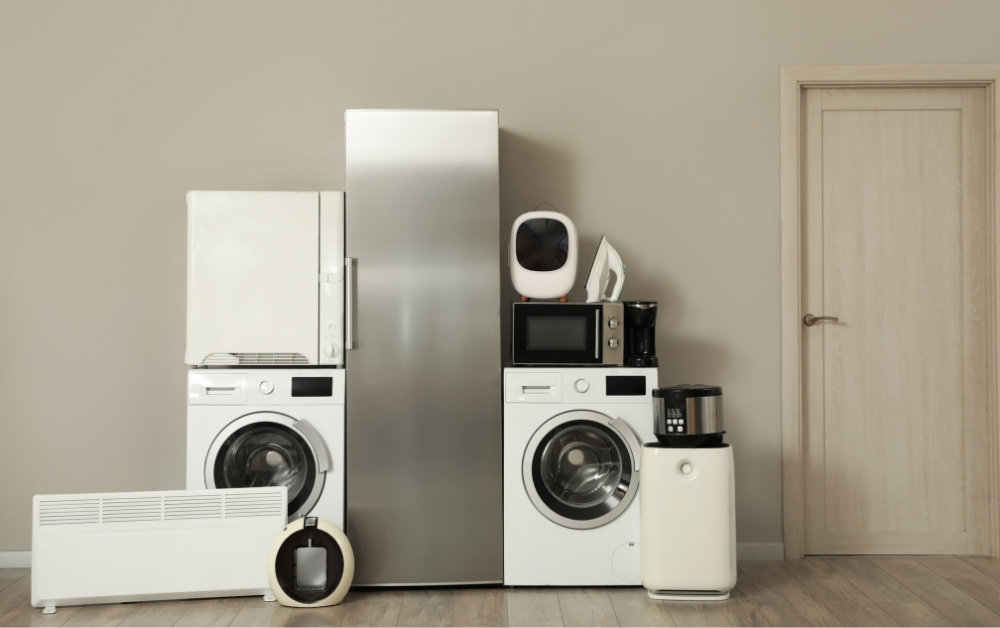
Many recycling shops offer delivery services for large appliances. Delivery fees vary depending on distance and floor access (for example, whether your building has an elevator). This makes them particularly convenient for students setting up their first apartment.
Online Marketplaces: More Options, Better Prices
If you’re comfortable navigating apps in Japanese, online platforms offer even more variety. Popular options include Mercari, Rakuma, and Yahoo! Auctions Japan.
These platforms function like digital flea markets. Individuals sell directly to buyers, often at very competitive prices. You can find everything from small kitchen appliances to bicycles and even full furniture sets.
However, there are some challenges. Communication is usually in Japanese, and large items may require arranging pickup. For new students who are still building their language skills, this may feel intimidating at first. Still, with basic Japanese or translation tools, it becomes manageable — and the savings can be substantial.
Community Groups and Sayonara Sales
In larger cities like Tokyo or Osaka, international communities often organize “Sayonara Sales.” These are sales hosted by students or expatriates who are leaving Japan and need to sell everything quickly.
These sales can be excellent opportunities to purchase complete apartment setups at once — sometimes at very low prices. University bulletin boards, student group chats, and local social media communities are good places to find these listings.
Because sellers are usually in a hurry to leave, you may even be able to negotiate.
Second-Hand Items That Most Students Typically Need
For a one- or two-year stay, students generally purchase:
- Refrigerator
- Washing machine
- Microwave
- Desk and chair
- Storage shelves
- Bedding
- Bicycle
Before buying anything, measure your apartment carefully. Japanese apartments are often compact, and returning large items can be difficult. Also, check your rental contract. Some apartments come partially furnished or include appliances.
What to Check Before Buying Second-Hand Items
Even though second-hand goods in Japan are usually in good condition, you should still inspect items carefully.
For electronics, confirm the manufacturing year. Appliances older than 7–10 years may consume more electricity and could fail sooner. Test everything in person if possible. Check for unusual smells, rust, mold, or excessive wear.
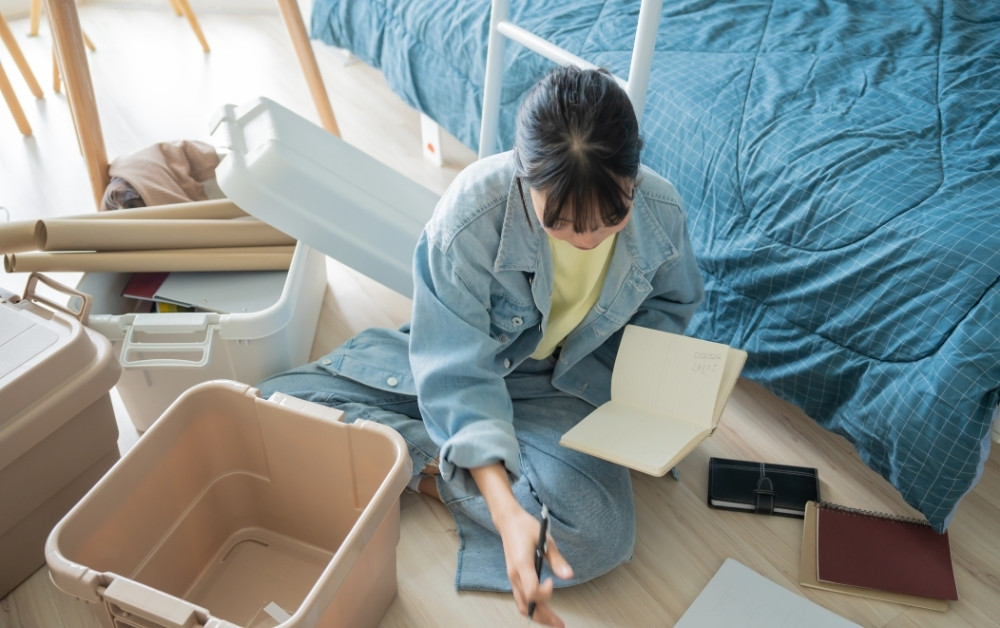
If you’re buying a refrigerator or washing machine, verify voltage compatibility (Japan uses 100V). Also, ensure that the appliance size fits your apartment’s designated space.
Asking simple questions such as “When was this purchased?” 「いつ購入しましたか?」 or “Does it still work properly?” 「まだ問題なく使えますか?」can prevent problems later.
Selling Used Items Before You Leave Japan
When your program ends, you have several options to recover part of your initial investment.
If you want the highest return, listing items on Mercari or Rakuma gives you direct access to buyers. Clear photos and honest descriptions increase your chances of selling quickly. If you prefer convenience, recycling shops will purchase items from you, though at lower prices. Some even offer in-home pickup services for larger appliances.
Another practical approach is hosting your own “Sayonara Sale.” Posting in student groups one to two months before departure allows you to schedule pickups in advance. Timing is important — March and September are peak moving seasons in Japan, making it easier to find buyers.
If you wanted to send your items back home, remember to check out our blog post on how to send mail in Japan.
Understanding Disposal Rules
Japan has strict garbage separation rules. Large items cannot simply be thrown away. They require “Sodai Gomi”「粗大ゴミ」(oversized trash) reservations, special disposal stickers, and scheduled collection dates. These oversized trash cans can be applied online through your prefecture’s website, and you can purchase the stickers from your apartment’s concierge or convenience stores.
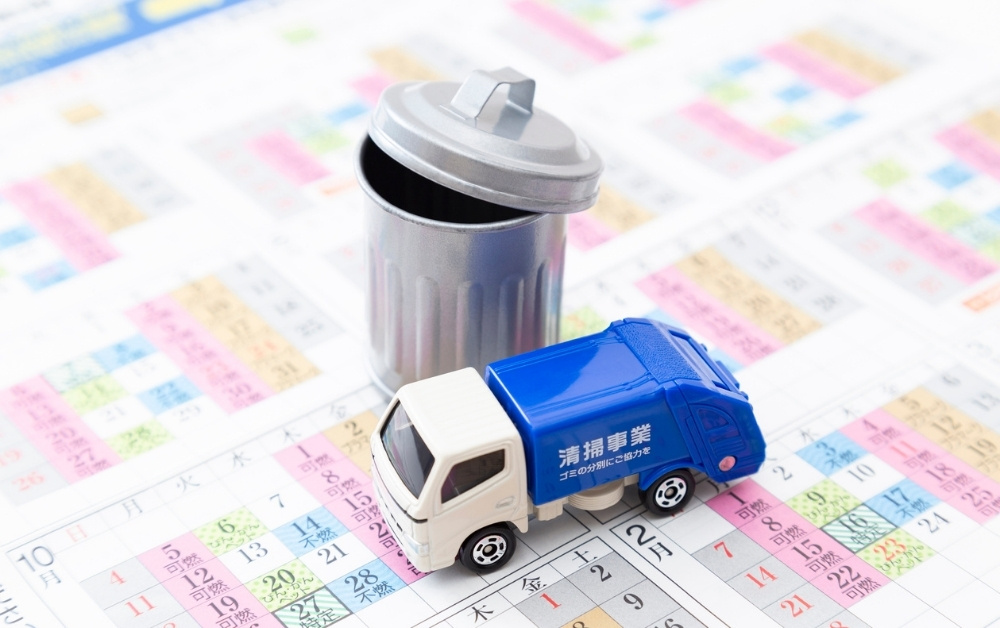
If you fail to sell an item, make sure you check your city’s official website for proper disposal procedures. Planning early avoids last-minute stress before departure.
A Smart Strategy for Short-Term Students
The most efficient strategy for a one- or two-year stay is simple:
- Buy essential appliances second-hand from reliable sources.
- Maintain them well during your stay.
- Keep manuals and clean them before resale.
- Start selling at least one to two months before leaving.
With this approach, your overall living costs decrease significantly.
Preparing for Student Life in Japan
Finding the right school is just as important as managing living expenses. If you are still planning your study experience, Coto School Finder supports students who want to study Japanese in Japan.
Coto School Finder helps you compare language schools, understand visa options, and choose programs that match your long-term goals. For students staying one to two years, proper preparation makes daily life much smoother — from housing advice to navigating practical matters like recycling systems and local regulations.
Studying abroad is not just about classes. It’s about building a sustainable lifestyle in a new country. With the right preparation, both academically and practically, your time in Japan can be focused on growth rather than stress.
FAQ
Is it safe to buy second-hand electronics in Japan?
Yes. Japan has strong consumer standards, and most recycling shops test appliances before resale. Buying from established stores adds extra security.
How much can I realistically save?
Depending on what you purchase, students often save tens of thousands of yen compared to buying new. Large appliances provide the biggest savings.
Do recycle shops offer delivery?
Most major chains offer delivery services for an additional fee. Always confirm pricing and scheduling in advance.
What if I don’t speak Japanese well?
Physical recycle shops are generally manageable with basic Japanese. Online platforms may require more communication, but translation tools can help.
When should I start selling my items before leaving?
Ideally, one to two months before departure. Peak moving seasons (March and September) make it easier to find buyers.
What happens if I cannot sell everything?
You can arrange Sodai Gomi disposal through your local municipality or request bulk pickup from a recycling shop, though fees may apply.