


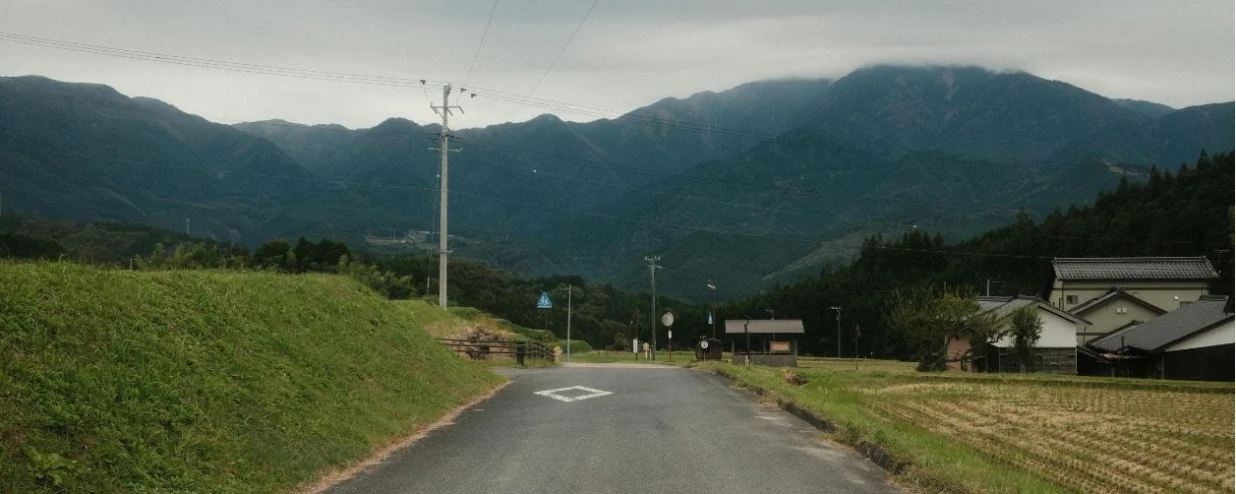

Looking for Japanese language schools in rural Japan? While it may be true that most language schools in Japan are located in major cities, more rural and regional areas do have language schools where you can be miles away from major cities and surrounded by beautiful nature! In fact, studying in more countryside areas can give you certain advantages you might not get in bigger cities.
Here at Coto School Finder, we are partnered with language schools with a focus on helping students find the right language school. This also includes students who prefer to get away from city life, or prefer a quieter lifestyle, while also focusing on their Japanese studies. While these schools may be less common, they offer students a chance to immerse themselves in Japanese in a quieter lifestyle.
What is “Inaka” in Japan?
The term 田舎 (inaka) means “countryside” or “rural area” in Japanese. It refers to places outside of Japan’s major cities with quieter neighborhoods and natural landscapes. The pace of life is often slower compared to what you would imagine in cities. When people think of Japan, they tend to imagine the bustling streets of Tokyo, crowded trains, tall buildings everywhere, especially in cities like Tokyo or Osaka.
In rural Japan, you can find plenty of things you can never find in big cities, such as rice fields, traditional Japanese houses, and being surrounded by greenery. Also note that being located outside a major city does not always mean that place is an inaka. There are also regional cities such as Sapporo, Sendai, and even Naha that offer similar conveniences you can get in a major city, while at the same time giving you the similar rural atmosphere of an inaka.
Why Study Japanese in Rural Japan and the Countryside?
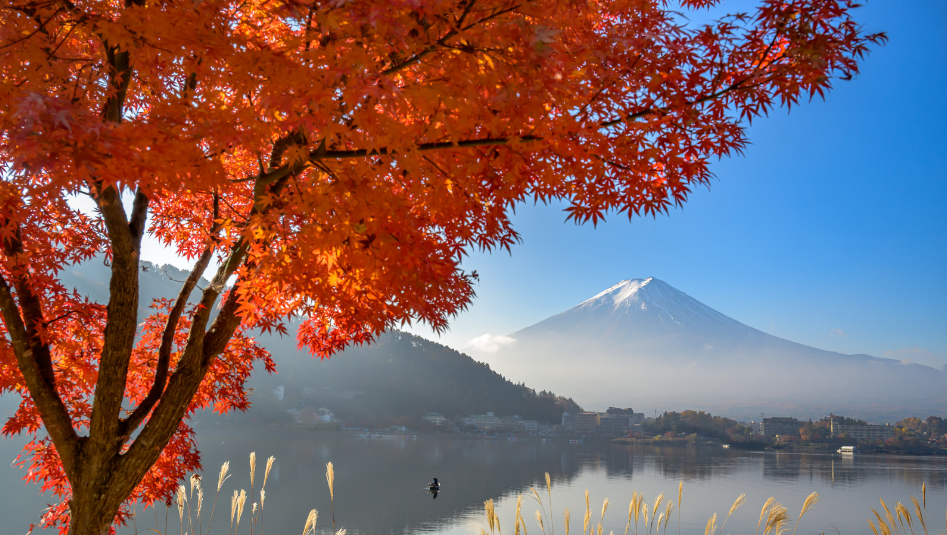
1. Natural Surroundings
Studying in rural Japan can also have you surrounded by beautiful nature as part of your everyday life. Japan is known for its beautiful natural landscapes. Mountains, forests, beaches, countryside scenery, things you may never see in big cities. Living closer to nature can provide you with these rich experiences you might not be able to get elsewhere.
2. Lower Cost of Living
One of the biggest advantages you can get from studying Japanese in rural Japan is the lower cost of living compared to large cities. According to the official Study in Japan living cost data, living expenses are generally higher in Tokyo than in more rural parts of Japan. This can give students a chance to save money on rent and expenses while studying Japanese. Especially for students studying in a long-term Japanese language program, this can be very helpful in the long run. Researching the local cost of living in Japan as a student can help you plan your budget accordingly.
3. More Japanese Immersion Opportunities
Studying in rural Japan can provide more opportunities to immerse yourself in the Japanese language. Classes are smaller, most locals speak only Japanese, and they tend to have close-knit communities. Since larger cities like Tokyo tend to have a relatively larger English-speaking presence, this can be a good advantage for learners who take Japanese practice seriously.
4. Peaceful Lifestyle
Studying Japanese in rural Japan can also offer a more peaceful lifestyle in a quieter environment. Some students might want to learn Japanese but prefer a quieter lifestyle. Some may find dealing with crowded cities, busy streets, and the fast-paced atmosphere of Tokyo quite overwhelming. Before deciding to settle in Japan’s countryside, it’s still worth understanding the different accommodation options when finding housing in Japan.
Best Japanese Language Schools to Study in Rural Japan
Now that you have an idea of what the inaka lifestyle is like and why it can be a great location to study Japanese, we will introduce a few schools that can offer you this lifestyle. If you are interested in some of these schools and want to experience rural Japan while studying Japanese, you can apply through Coto School Finder!
That said, here are the best schools to study Japanese in rural Japan!
1. Future Design Japanese Language School in Kagawa (Highly Recommended)
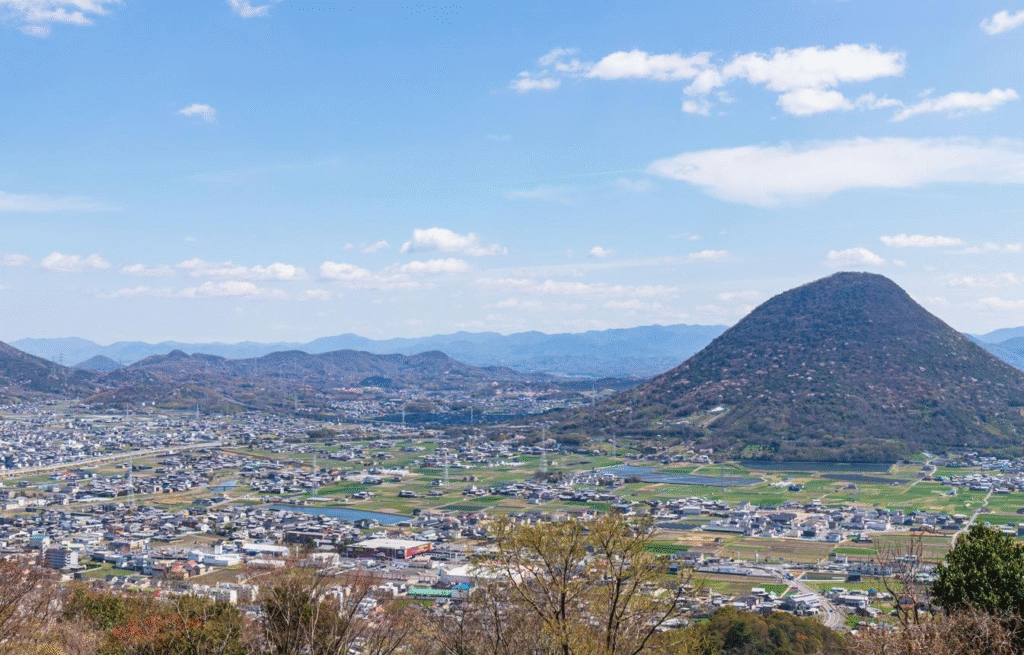
Future Design Japanese School is a great option for students who want to experience life outside major metropolitan areas in Japan while also receiving high-quality Japanese language education. Students can also be provided with career support for those who want to work in Japan.
Located at the heart of Sakaide City in Kagawa Prefecture, students can experience local traditions and festivals, join in cultural activities, and be part of a close-knit community, surrounded by the beautiful Kagawa scenery, all at a relatively affordable cost!
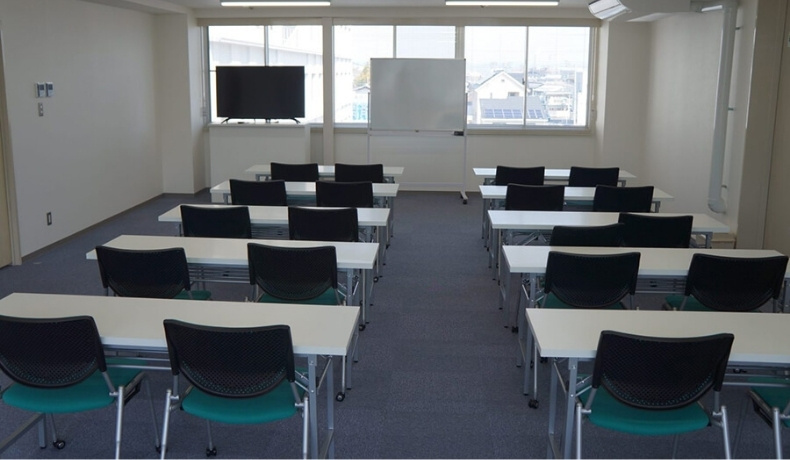
School Information:
- Location: Sakaide City, Kagawa Prefecture
- Course Type: Academic Japanese (University Preparation)
- Course Duration: 1 year, 1.5 years, or 2 years
- Student Visa Sponsorship: Yes
- Intakes: April and October
- Tuition: Starting from ¥738,480
Interested in studying Japanese in Kagawa Prefecture? To learn more about Future Design Japanese Language School, you can apply through Coto School Finder!
2. Akita Inaka School in Akita
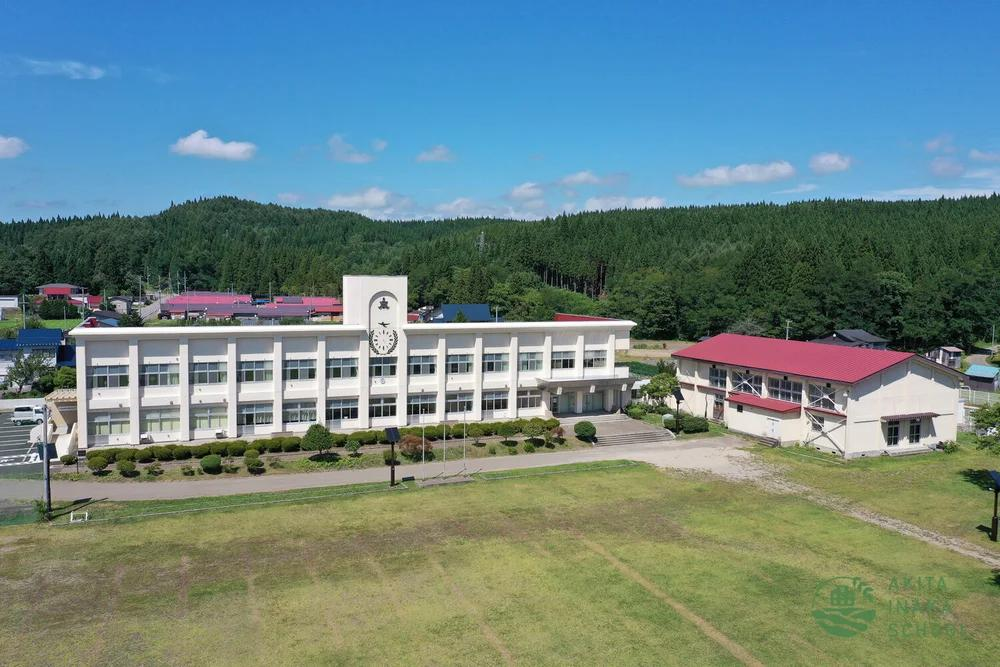
Another great option for students who want to experience the Japanese countryside is Akita Inaka School, located in Kosaka, a small town in Akita Prefecture in northern Japan.
The school’s building was once an elementary school, now a place where international students can learn Japanese in a place surrounded by quiet greenery. The small classes, emphasis on practical Japanese, and opportunities to interact with the locals of Kosaka can make this school a great option for students who want to improve their practical Japanese skills.
School Information:
- Location: Kosaka Town, Akita Prefecture
- Course Type: Conversational Japanese and Cultural Immersion
- Course Duration: Typically 2–3 weeks for seasonal courses
- Japanese Level: All levels welcome
- Student Visa Sponsorship: Not available
- Tuition: Varies by course; a listed three-week summer program costs US$3,500, excluding accommodation and transportation to the school
3. Hida Japanese Language & Culture School in Gifu
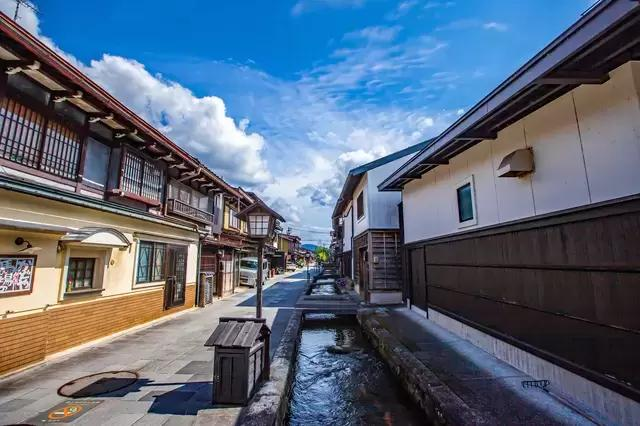
Another great option for students who want to experience rural Japan is Hida Japanese Language & Culture School. Located in Gifu Prefecture, this school is situated in the mountainous Hida region, offering students an opportunity to experience a real taste of traditional Japanese life.
It is located near the town of Hida-Furukawa, which is known for its historic wooden buildings, deep within the mountainous nature of rural Japan. They offer short-term courses where teachers focus more on conversational ability, which you can use to your advantage while practicing with the locals of Hida-Furukawa.
School Information:
- Location: Hida City, Gifu Prefecture
- Course Type: General Japanese, Conversation, and Cultural Immersion
- Course Duration: 2–4-week programs
- Class Size: Small groups
- Student Visa Sponsorship: Not available
- Tuition: Contact the school for current fees
Best Japanese Language Schools to Study in Regional Cities
You might be wondering if there’s any difference between rural cities and regional cities in Japan. While both are far from large cities and near nature, regional cities are underrated and tend to offer more balance between convenience and easy access to nature.
If you want to get away from major cities like Tokyo, but don’t necessarily want to give up the convenience of city life, studying in a regional city can be a great alternative, as many of them offer shopping centers, restaurants, public transportation, and other amenities you can get from big cities while still being near Japan’s beautiful nature, which gives it a rural-like atmosphere.
That said, here are some of the best schools to study Japanese in more regional cities!
1. Atys Japanese Language Academy in Tochigi (Highly Recommended)
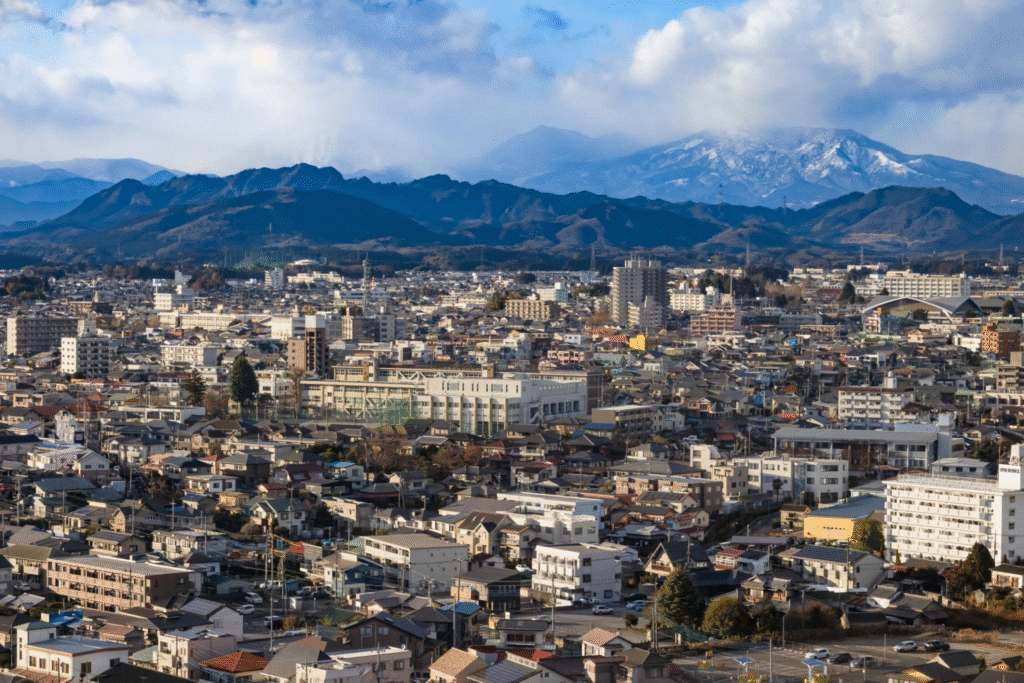
Atys Japanese Language Academy is a great language school option for those who prefer a quieter lifestyle without losing access to the city. The school’s course is designed for students planning to enter University in Japan, while also emphasizing activities outside the classroom, allowing students to immerse themselves in a nice local lifestyle.
Located in Utsunomiya City in Tochigi Prefecture, Atys offers students a full immersion into Japanese life. The school is about 50 minutes from Tokyo by bullet train (新幹線, shinkansen), with Utsunomiya station being only a 3-minute walk away from the school. This can be a fantastic option for students who enjoy a quiet, rural-like atmosphere, while also getting fast and easy access to the city!
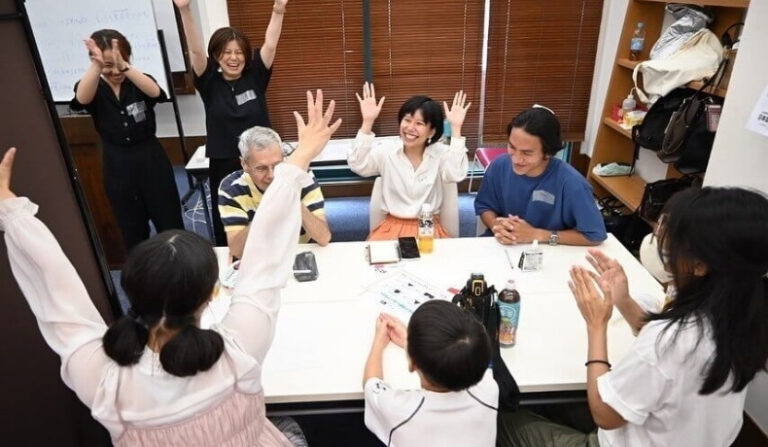
Studying here can give you the opportunity to enjoy a quieter lifestyle, while also remaining in the Kanto region.
School Information:
- Location: Utsunomiya City, Tochigi Prefecture
- Course Type: Academic Japanese (University Preparation)
- Course Duration: 1 year and 6 months, 1 year and 9 months, or 2 years
- Student Visa Sponsorship: Yes
- Intakes: April, July, and October
- Tuition: Starting from ¥803,000 (as listed by Coto School Finder)
Interested in studying Japanese in Tochigi Prefecture? To learn more about ATYS Japanese Language Academy, you can apply through Coto School Finder!
2. Hokkaido Japanese Language Academy in Sapporo (Highly Recommended)
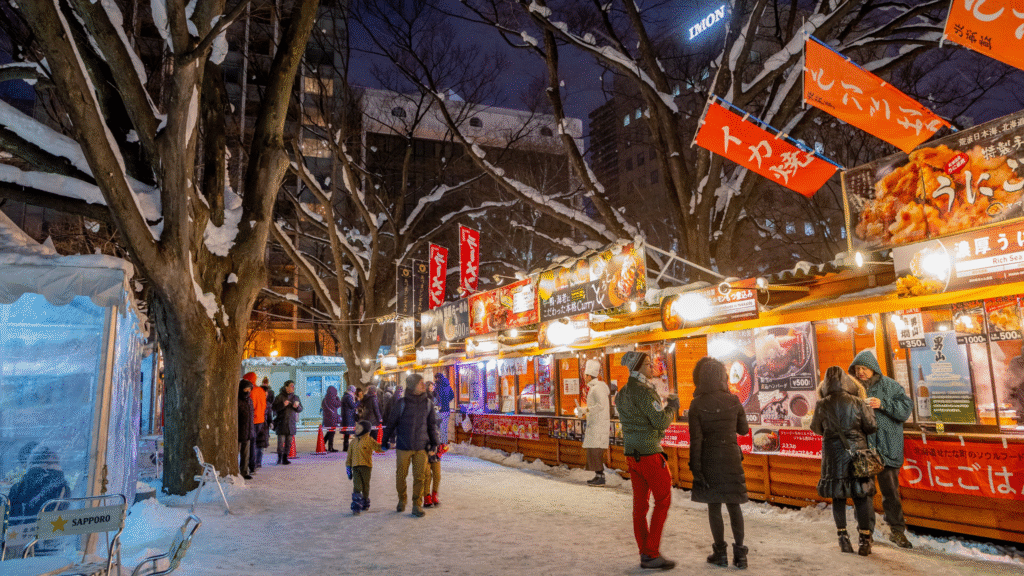
Hokkaido Japanese Language Academy is a fantastic option for those who want to study Japanese outside a major metropolitan area, and want to experience life in northern Japan. The school offers courses for students who would like to build all-around Japanese skills, as well as cultural excursions, and supportive staff willing to provide support for those who want to build a future in Japan.

Located in Sapporo, one of Japan’s most underrated cities, in the northern island of Hokkaido, studying at Hokkaido Japanese Language Academy offers students an opportunity to experience a convenient urban life while surrounded by the beauty of Hokkaido’s nature. Hokkaido has many things to see, with its snowy winters and mild summers, it’s a fantastic place for those who enjoy snowboarding, skiing, and the calm winter atmosphere. Living in Sapporo offers students stunning scenery of northern Japan, high-quality seafood, and a relatively affordable cost of living!
School Information:
- Location: Sapporo City, Hokkaido Prefecture
- Course Type: General Japanese and Academic Japanese
- Course Duration: 1 year, 1 year and 6 months, 1 year and 9 months, or 2 years
- Student Visa Sponsorship: Yes
- Intakes: April, July, and October
- Class Size: Up to 20 students
- Tuition: Starting from ¥909,000 for the 1-year course
Interested in studying Japanese in Hokkaido? To learn more about Hokkaido Japanese Language Academy, you can apply through Coto School Finder!
3. ICLC Okinawa
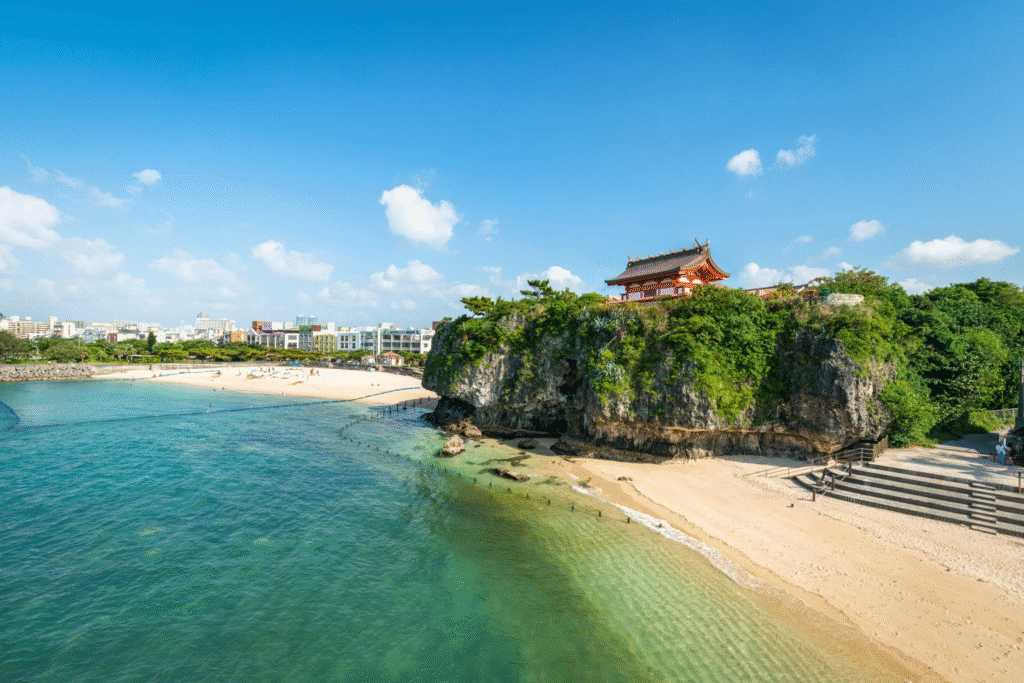
ICLC Okinawa Japanese Language School can also be a great option for students, specifically those who want to experience the unique island lifestyle of Okinawa! It is one of the oldest and most established language schools Okinawa has to offer, and the courses are designed to help students advance their Japanese skills. While not necessarily an inaka, studying Japanese in a more subtropical region like Okinawa can also be a great alternative for those who enjoy both beaches and a peaceful atmosphere.
The school is located in Naha City on the island of Okinawa. Okinawa has many things you can do, in which students can enjoy a nice subtropical climate and visit beautiful beaches, tropical scenery, and plenty of tourist spots, giving students a nice immersive environment that is different from what you would imagine in mainland Japan. Naha can also offer a convenient urban life on a beautiful subtropical island and can definitely give students an opportunity to experience a different side of Japan!
School Information:
- Location: Naha City, Okinawa Prefecture
- Course Type: General Japanese
- Course Duration: 1 year to 2 years, depending on the program
- Student Visa Sponsorship: Yes
- Intakes: January, April, July, and October
- Class Size: 16–20 students
- Tuition: Starting from ¥897,000
Interested in studying Japanese at ICLC? To learn more ICLC Okinawa Japanese Language School, you can apply through Coto School Finder!
What to Know Before Studying in Rural Japan
Cost Depends on Where You Live:
Keep in mind that living expenses aren’t all the same, as Japan contains many rural or regional areas all over the country. While relatively cheap, exact expenses depend on the prefecture, region, or town you choose. For example, a student studying in Hokkaido Japanese Language Academy may have cheaper rent compared to Tokyo, but students may need to keep in mind that other expenses such as heating can increase during colder months.
Traveling by Car Can Be Common
Traveling by car is common in many rural areas. This means transportation costs as well as the must also be considered. Some rural areas may lack the convenient transportation system larger cities have, so be aware that you may need to consider owning a car to be able to get around. If you have a foreign driver’s license, you can learn more about converting your driver’s license to a Japanese license.
English Support May Not Be Available
While we may have listed this as an advantage to studying Japanese, many may find it to be a disadvantage, as some may find the lack of English language support uncomfortable. Whether you are visiting a clinic, completing paperwork, or any everyday errand, studying in the countryside may mean risking 100% communication, as you are practicing Japanese and building up your language skills over time. Absolute beginners may especially struggle with this, so it is important to keep in mind the potential miscommunications you may experience.
Inaka Life Might Not be for You
Some students who prefer city life may find the inaka life far away from everything, some may find it too isolating or some cases ‘boring.’ It can be one of the biggest culture shocks for some people, as life in the inaka can be very different compared to life in a city like Tokyo or Osaka. Make sure to know for sure the inaka life fits your lifestyle and do research on where exactly you want to live or study Japanese. You can take this quiz to see which Japanese City fits you to get a better idea where you should live and study in Japan!
Still Unsure Where You Want to Study?
If you prefer a nice, peaceful, and quieter environment, some schools in this list might fit you. If you want to enjoy the nice convenient life in a big city, consider studying in a major metropolitan like Tokyo or Osaka. You should also consider other factors like tuition fees, cost of living, type of transportation you want, and what you want to gain from the language school you choose. Fortunately, our team can help you determine the right language school based on all these factors! We can also guide you through the application process with our free services.
Apply now at Coto School Finder and make your dream of studying in Japan come true!
Are there Japanese language schools in rural Japan?
Japanese language schools exist in rural Japan, although they are less common than in major cities like Tokyo and Osaka.
Can I get a student visa to study Japanese in rural Japan?
Some language schools in rural Japan may offer Student Visa Sponsorship. However, not all schools offer visa sponsorship, especially those that offer only short-term courses. Check with the school’s visa support before applying.
Are Japanese language schools in rural Japan cheaper?
Japanese language schools in rural Japan can be cheaper compared to major cities, but it depends on the school. While living expenses can be relatively lower than major cities, tuition fees largely depend on the school. Transportation costs may be higher in some areas too.
Can beginners study Japanese in rural Japan?
Yes, beginners can study in rural Japan, as some Japanese language schools offer beginner courses. However, students applying for a student visa generally need to have basic proficiency in Japanese, such as JLPT N5 or equivalent.
Can international students work part-time in rural Japan?
Yes, international students can work up to 28 hours per week during the study period of the school, but with permission from immigration authorities. You can learn more about how to obtain part-time work permit in Japan.
Is there an age limit for Japanese language schools in rural Japan?
There is no official age limit for studying Japanese in rural Japan. Most Japanese schools require students to be at least 18 years old, depending on the school. This applies to any school in Japan regardless if it is in the countryside or not. You can learn more about the age-requirements for studying in Japan.